



















By Vivian Emoni
The Abuja Chamber of Commerce and Industry (ACCI), with support from the Investment Climate Reform (ICR) Facility, has implemented a two-phase initiative aimed at enabling transformative reforms for gender equality in Nigeria.
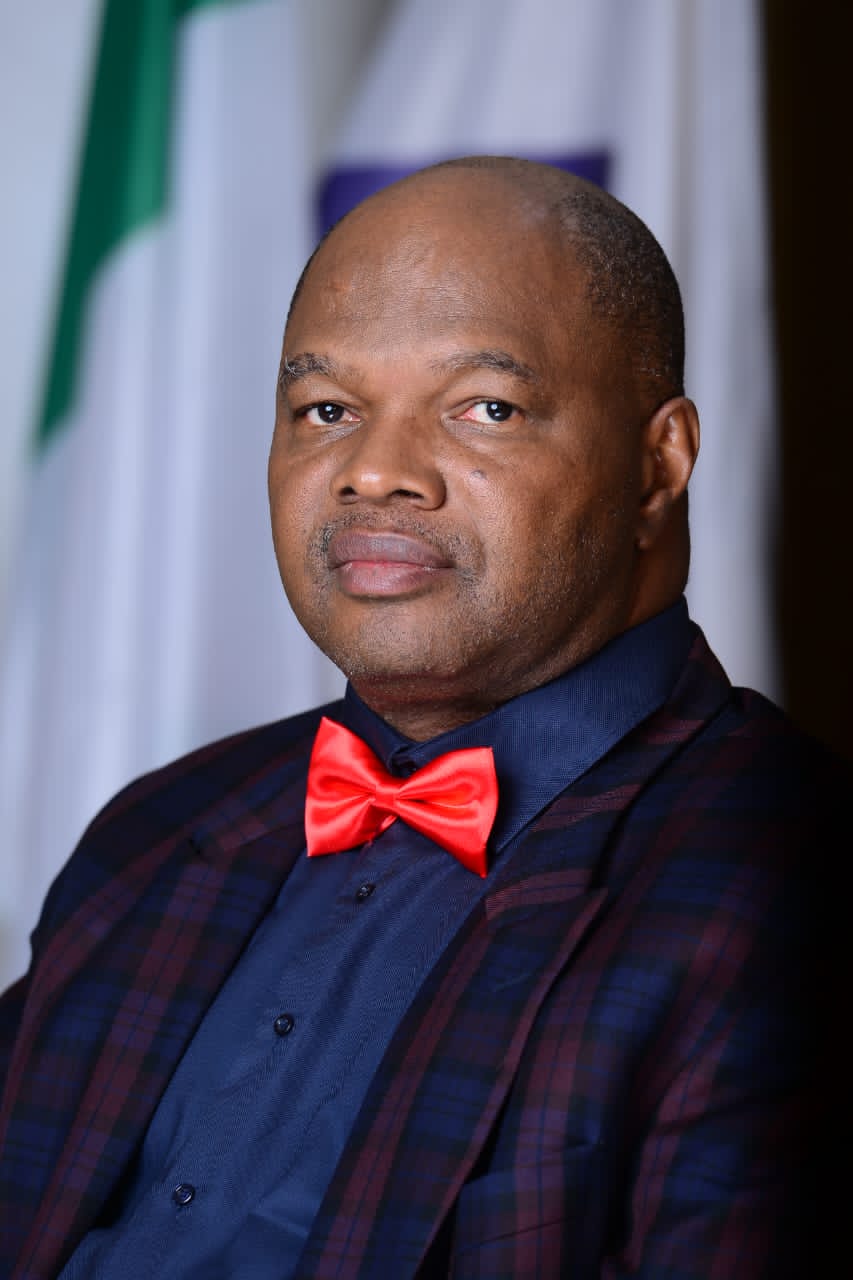
Mr Agabaidu Jideani, Director-General of ACCI, disclosed this in an interview with the News Agency of Nigeria (NAN) on Tuesday in Abuja.
According to Jideani, the initiative is co-funded by the European Union, the Organisation of African, Caribbean and Pacific States (OACPS), the German Federal Ministry for Economic Cooperation and Development (BMZ), and the British Council.
He said women-owned businesses (WoBs) have long operated in the shadows, underserved, undercounted, and often excluded from formal government support.
“In spite of their significant contributions to Nigeria’s economy, WoBs remain invisible in official records, procurement frameworks, and development programmes due to the absence of a nationally adopted definition,” Jideani said.
He noted that the policy gap had made it difficult for governments, institutions, and development partners to design and target support effectively.
“To address this critical gap, ACCI, with support from relevant stakeholders, implemented a two-phase initiative to promote transformative gender reforms,” he said.
Jideani explained that the first phase involved presenting two technical reports during dialogue forums with Ministries, Departments, and Agencies (MDAs).
“The second phase focused on progressing the adoption of a national definition for WoBs and encouraging innovative approaches to business formalisation.
“While the first phase led to the creation of the ACCI/FCT MDA Joint Action Committee, the second phase aimed to sustain the committee and deliver tangible results for women entrepreneurs,” he added.
As part of the initiative, ACCI hosted a business breakfast meeting, which Jideani described as a milestone in Nigeria’s gender-responsive policy advocacy.
“The meeting gathered more than 60 high-level participants, including ministers, senior policymakers, regulators, development agencies, and civil society actors.
“At its core, the session aimed to validate a pragmatic and inclusive national definition of WoBs and galvanise institutional commitments for its adoption.
“Three federal ministers in attendance gave the reform effort significant political legitimacy and pledged to lead the process of presenting the proposed definition to the Federal Executive Council for formal adoption,” he said.
Jideani called on all levels of government, stakeholders, and international organisations to support the initiative.
“Let us define women-owned businesses not only in policy but also in practice, in law, and in legacy,” he said. (NAN)(www.nannews.ng)
Edited by Abiemwense Moru