



















By Sylvester Thompson
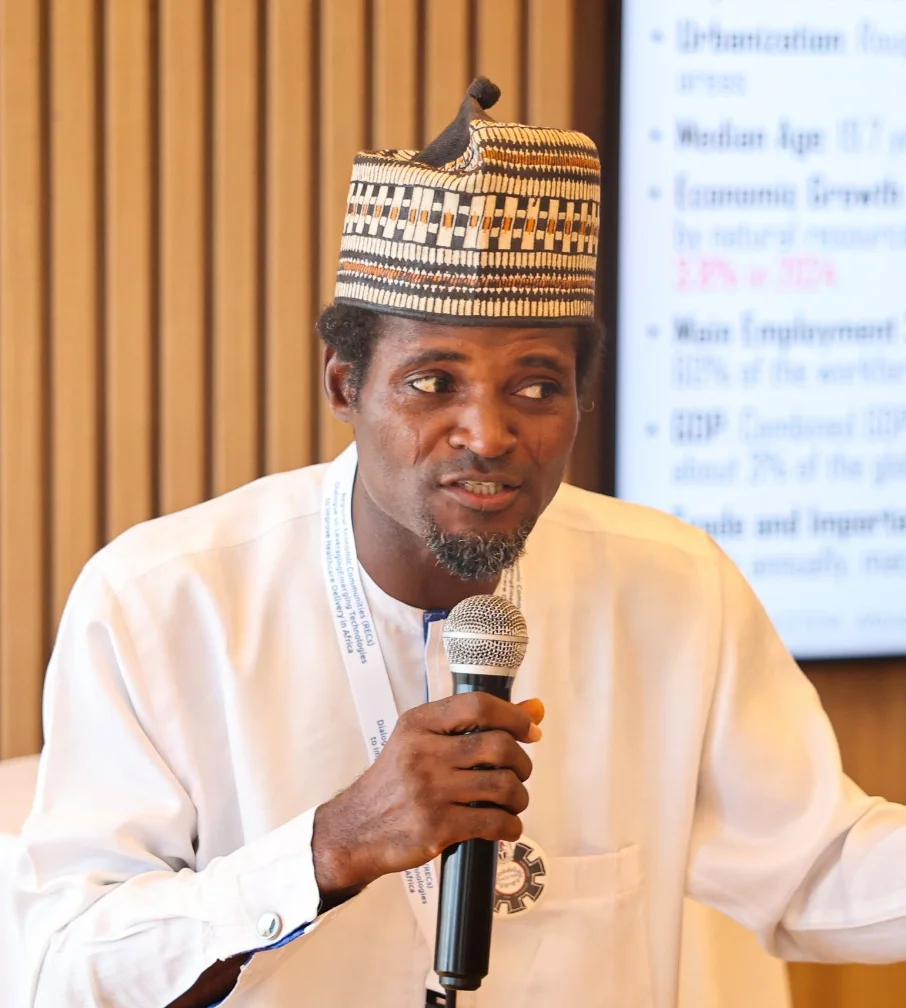
Dr Kazeem Abubakar, a material engineering expert and research strategist, says that Compressed Natural Gas (CNG) burns cleaner than petrol or diesel, leading to reduced air pollution and greenhouse gas emissions.
Abukakar, also an Assistant Director of Research at the National Centre for Technology Management (NACETEM), said this in an interview with the News Agency of Nigeria (NAN) in Abuja on Saturday.
He disclosed that CNG offered tangible cost savings for both transport operators and daily commuters, which was a critical advantage following the 2023 removal of petrol subsidy and subsequent surge in fuel prices.
He said the decision to adopt CNG as an alternative source of energy to power automobiles signals a strategic attempt to reduce reliance on imported petrol and lower transportation costs.
According to him, after President Bola Tinubu announced the removal of fuel subsidy in 2023, Nigerians began to grapple with rising fuel costs and environmental pressures.
“Since then, CNG steadily emerged as a key component of the energy mix in the country’s clean-energy transition.
“Data from the Presidential Compressed Natural Gas Initiative (PCNGI) and the Nigerian Midstream and Downstream Petroleum Regulatory Authority (NMDPRA) reveal growing momentum in this direction,’’ he said.
The expert added that this signalled a meaningful step toward the attainment of SDGs.
Referencing statistics from the PCNGI, Abubakar said more than 100,000 vehicles have been converted from petrol to CNG since 2023, marking a dramatic shift in favour of the cleaner fuel.
He explained that this is less than one per cent of Nigeria’s 12 million registered vehicles.
He said in the same period, Nigeria’s CNG conversion and refuelling infrastructure expanded rapidly.
“The number of certified conversion centres jumped from just seven in 2023 to over 158 by end-2024, with a plan to reach 1,000 centres nationwide.
“By early 2025, the regulatory framework and investments under PCNGI had attracted significant private capital to the sector, reflecting growing investor confidence in clean mobility,’’ the expert said. (NAN)(www.nannews.ng)
Edited by Maureen Atuonwu