
















By Lilian Chukwu
The Youth Empowerment Foundation (YEF) says good sanitation and improved menstrual hygiene in Nigerian schools encourage girls to attend schools.
According to YEF, it also brings visible changes to students’ welfare and relations between boys and girls.
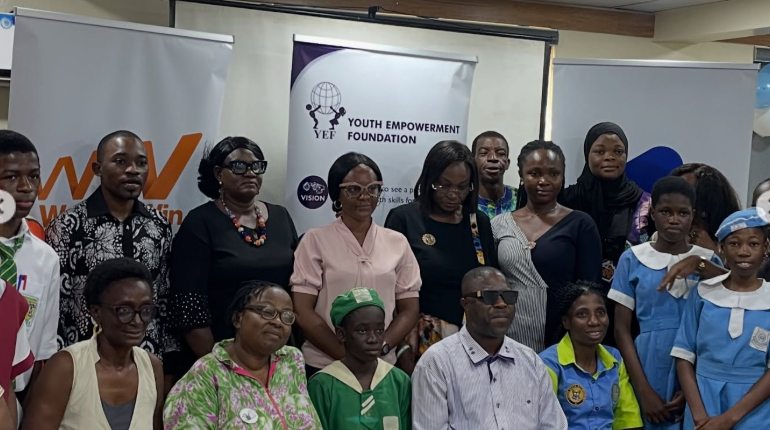
Mr Tony Eleme, Programme Manager, YEF, made the assertion at a Menstrual Hygiene Management (MHM) media engagement session, in Lagos on Tuesday.
The engagement brought together the media, students, teachers, facilitators and other stakeholders in the MHM space.

Eleme said the project focused on diverse areas of MHM, including upgrading sanitation facilities and addressing the social challenges faced by schoolgirls during their menstrual periods.
He highlighted that improved school toilets and hand-washing facilities boosted girls’ attendance and encouraged mutual support among students.
“When the toilets are not good, girls won’t come to school during their periods because they don’t know how to discard sanitary pads, when to change, or even wash their hands.
“So, having a good sanitation system helps them feel supported.
“We realised for some of the schools, the toilets were not so good either, which deterred girls from attending.”
He also noted that the initiative had changed how boys interacted with girls facing menstrual challenges in target schools.
“The boys don’t treat them the way they used to. Previously, boys made fun of them, but now they are beginning to understand and support the girls,” Eleme added, citing feedback from schools.
The News Agency of Nigeria (NAN) reports that some community facilitators were recognised for their leadership roles.
“These are people who have helped us manage the programme,” Eleme commended, reflecting on the collaborative approach taken by the project team.
Eleme said that the project’s example may be replicated, adding that lessons learnt had been compiled for broader dissemination to assist more schools in improving hygiene and student relations.
Also speaking, Mrs Iwalola Akin-Jimoh, Executive Secretary, YEF, noted that the MHM programme made a profound impact on the students.
She highlighted the role and importance of the project in educating both girls and boys, mentioning the involvement of various partners in achieving the goals.
Akin-Jimoh appreciated the efforts of teachers and other stakeholders, noting the significant work that still needed to be done to meet the project’s objectives.
She stressed the importance of targeting specific goals, particularly for students, to ensure their continued engagement and learning on MHM.
Akin-Jimoh called for continued support and contributions to ensure the project’s completion and success.
NAN reports that some students made a presentation on how they now make their own reusable sanitary towels, based on their learning from the programme.
Akinbide Aneezat, 12, Ajumoni Junior Secondary School, said she learnt a lot from the programme, and had been applying the same knowledge to her personal hygiene.
She explained how she was now able to make reusable sanitary towels.
Chinorom Chinenye, 14, Gbaja Senior High School, Surulere, demonstrated how she now makes reusable sanitary pads, commending the organisers for the initiative. (NAN) (www.nannews.ng)
Edited by Vivian Ihechu/Oluwafunke Ishola