









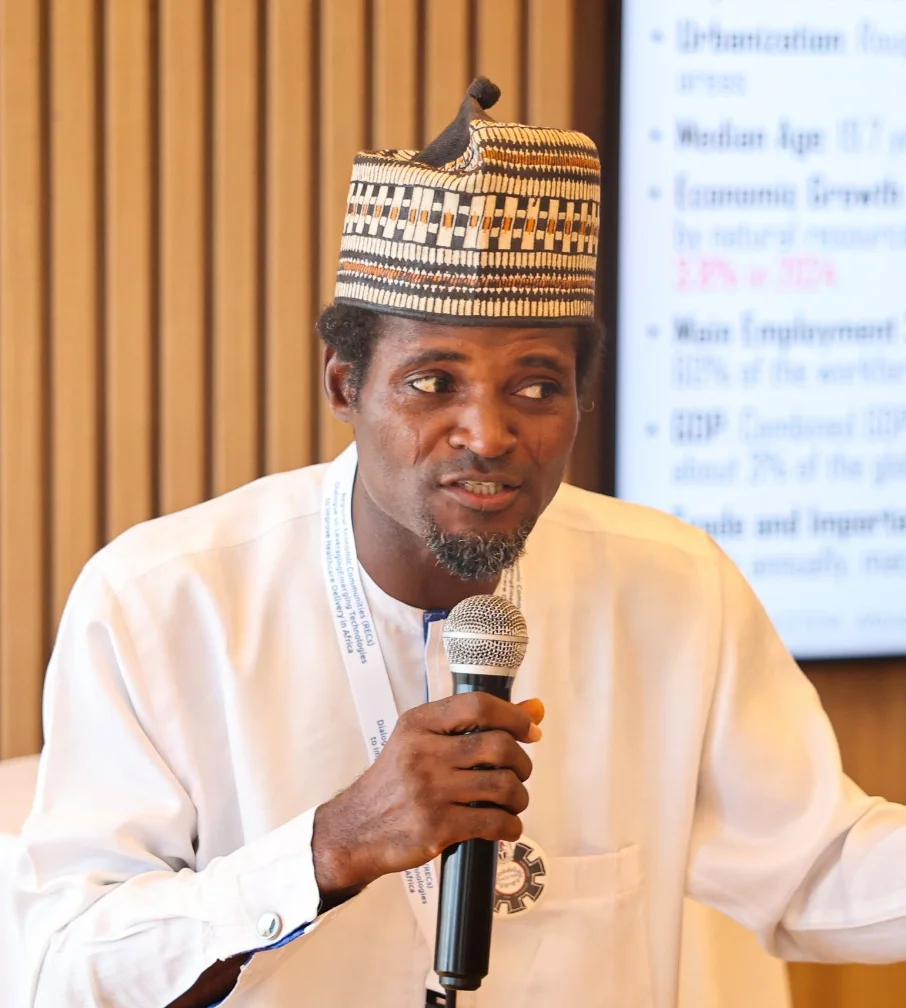










A material engineering expert and researcher, Dr Kazeem Abubakar, says the potential and opportunities existing in Compressed Natural Gas(CNG) can be harnessed if the government provides policy support and required infrastructure.
Abubakar, also Assistant Director of Research at the National Centre for Technology Management (NACETEM), said this in an interview with the News Agency of Nigeria (NAN) in Abuja on Monday.
He said that with infrastructure development and public engagement, CNG had the potential to not only reduce transport costs and emissions, but also to contribute meaningfully to Nigeria’s progress towards SDGs.
He said it was important to note that delivering cleaner air, new jobs, economic growth, and a more sustainable future for Nigerians was not negotiable.
“Nigeria’s pivot toward CNG, backed by renewed policy focus and private investment, represents a strategic and timely effort to harness the country’s abundant natural gas for sustainable mobility and energy security.
“Although the current adoption is still small relative to potential, the gain, to date, is that over 100,000 vehicles have been converted, hundreds of conversion centers and refuelling points, rising investment flows.
“This demonstrates that CNG can become a cornerstone of Nigeria’s clean-energy transition,’’ he said.
Abukaker argued that to scale and deliver on the potentials and opportunities in converting gasoline/diesel cars to CNG, coordinated action is needed on multiple fronts.
He said those to include accelerating infrastructure deployment, expanding refuelling stations, compression hubs, and certified conversion centres nationwide.
He further advocated scaling up conversion incentives, which could come through subsidies or support for conversion kits, especially for low-income vehicle owners and commercial operators.
“Awareness and safety campaigns, policy consistency and regulation, linking CNG with broader gas utilisation policy are important in the project,’’ he said.
Abubakar said lower emissions from CNG vehicles contribute to Nigeria’s emissions-reduction targets and help its climate-change mitigation efforts.
“The expansion of gas-distribution networks, refuelling stations, and conversion infrastructure support industrialisation and modern energy system development initiatives,” he told NAN. (NAN)
Edited by Uche Anunne





[…] Source: NAN […]
[…] Source: NAN […]