

















By Justina Auta
The Nigeria Police Force (NPF) and media practitioners have reaffirmed their commitment to strengthening public trust and promoting gender-responsive policing through effective implementation of the Police Act 2020 nationwide.
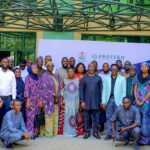
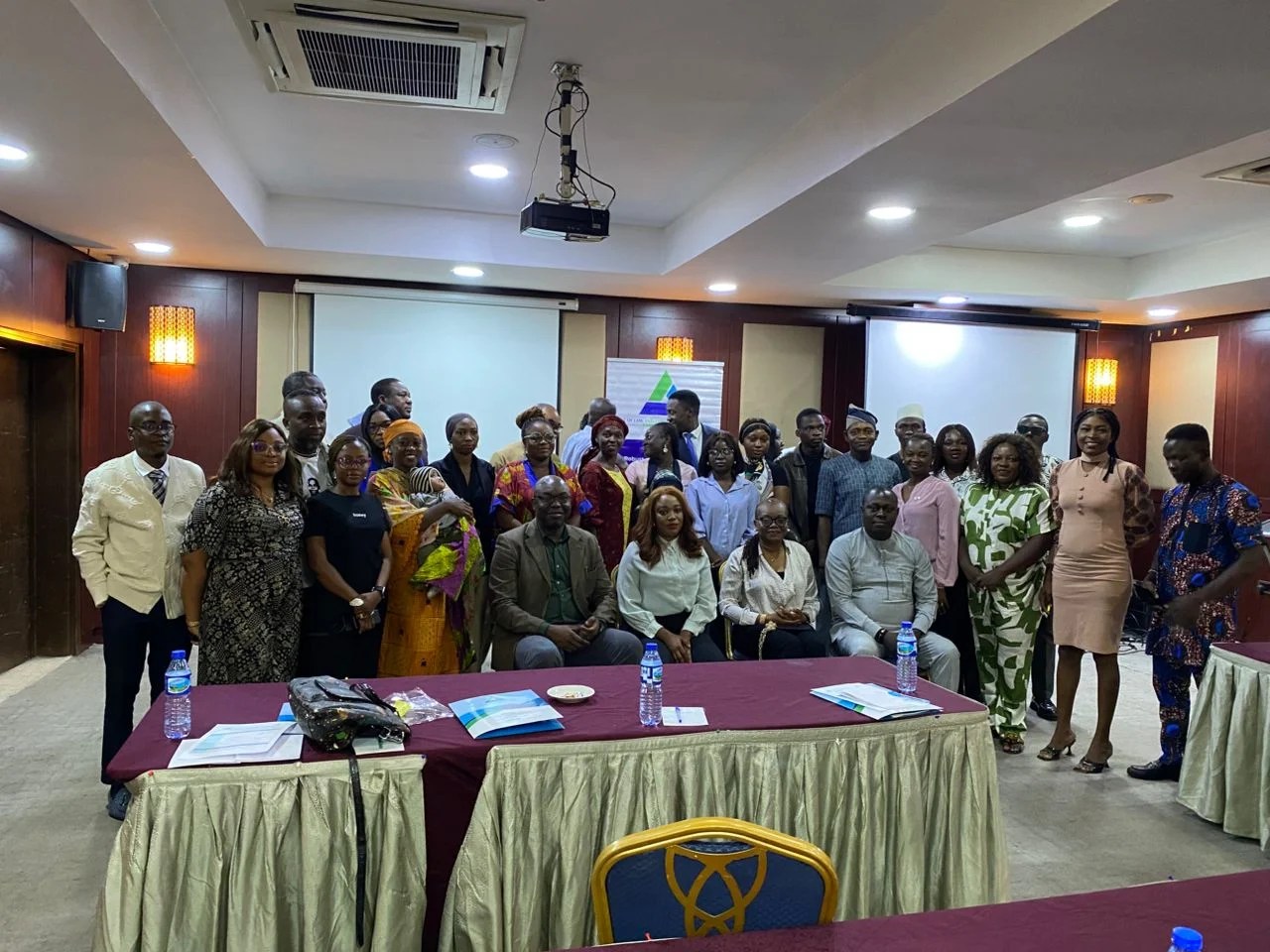
The commitment was made at a police-media dialogue and workshop on reporting police reform and accountability, organised by the Rule of Law and Empowerment Initiative, also known as Partners West Africa Nigeria (PWAN), in Abuja.
Mrs Kemi Okenyodo, Executive Director of PWAN, said the initiative forms part of the project titled “Enhancing Public Trust and Gender-Responsive Policing in Nigeria Through Effective Implementation of the Police Act 2020.”
Okenyodo said the project seeks to strengthen police reform with emphasis on institutional accountability, gender responsiveness and improved public confidence in the NPF.
“By increasing awareness of the Police Act, the project aims to reduce rights violations and promote a more citizen-responsive policing culture,” she said.
She added that the platform provides a safe and inclusive space for participants to share experiences, raise concerns and propose practical recommendations to enhance collaboration between communities and the police.
Also speaking, the Deputy Inspector-General of Police in charge of Training and Development, Mr Frank Mba, reaffirmed the NPF’s commitment to building public trust and gender-responsive policing.
Mba said the force was making deliberate efforts to improve access to timely information and response, in order to strengthen engagement between the police, the media and the public.
On Gender-Based Violence (GBV), he stressed the need for continuous training and retraining of personnel to enhance investigation and prosecution, and ultimately reduce its recurrence.
Meanwhile, Mr Odoh Diego-Okenyodo, a development communication expert, urged journalists to deepen their understanding of the Nigeria Police Act 2020.
Diego-Okenyodo said such understanding would enable the media to report police service delivery based on accountability, transparency, human rights protection and fundamental freedoms.
He urged the media to focus reporting on policy and legal reforms, institutional reform, human rights and accountability, police welfare and professionalisation, as well as community trust and safety.
Similarly, Mr Chris Ewokor, a BBC communication strategist and multimedia journalist, underscored the media’s role in shaping public perception of the NPF.
Speaking on “Ethics and Language that Builds Reform, Not Rage,” Ewokor urged journalists to adopt ethical language that promotes reform rather than mistrust, highlight positive change within the force, and interrogate systemic issues beyond isolated incidents.
Participants expressed satisfaction with the workshop, saying it would improve their reporting on policing and accountability.
Mr Collins Nnabuife, a senior reporter with Nigerian Tribune, said the training reinforced the need for partnership between the police and the media for effective policing.
Kabiru Yusuf of Radio Niger said the workshop improved his understanding of police reforms and the media’s role in promoting accountability and transparency.
Similarly, Hadiza Abdrahman of Radio Nigeria said the initiative enhanced her capacity to report issues that build trust between citizens and the police while protecting fundamental rights. (NAN)(www.nannews.ng)
Edited by Tosin Kolade