















By Martha Agas
Stakeholders have called for urgent action to close methane accountability gaps, warning that unchecked emissions threaten lives, degrade the environment and undermine Nigeria’s climate commitments.
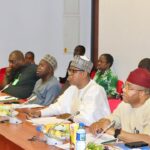
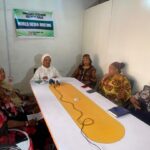
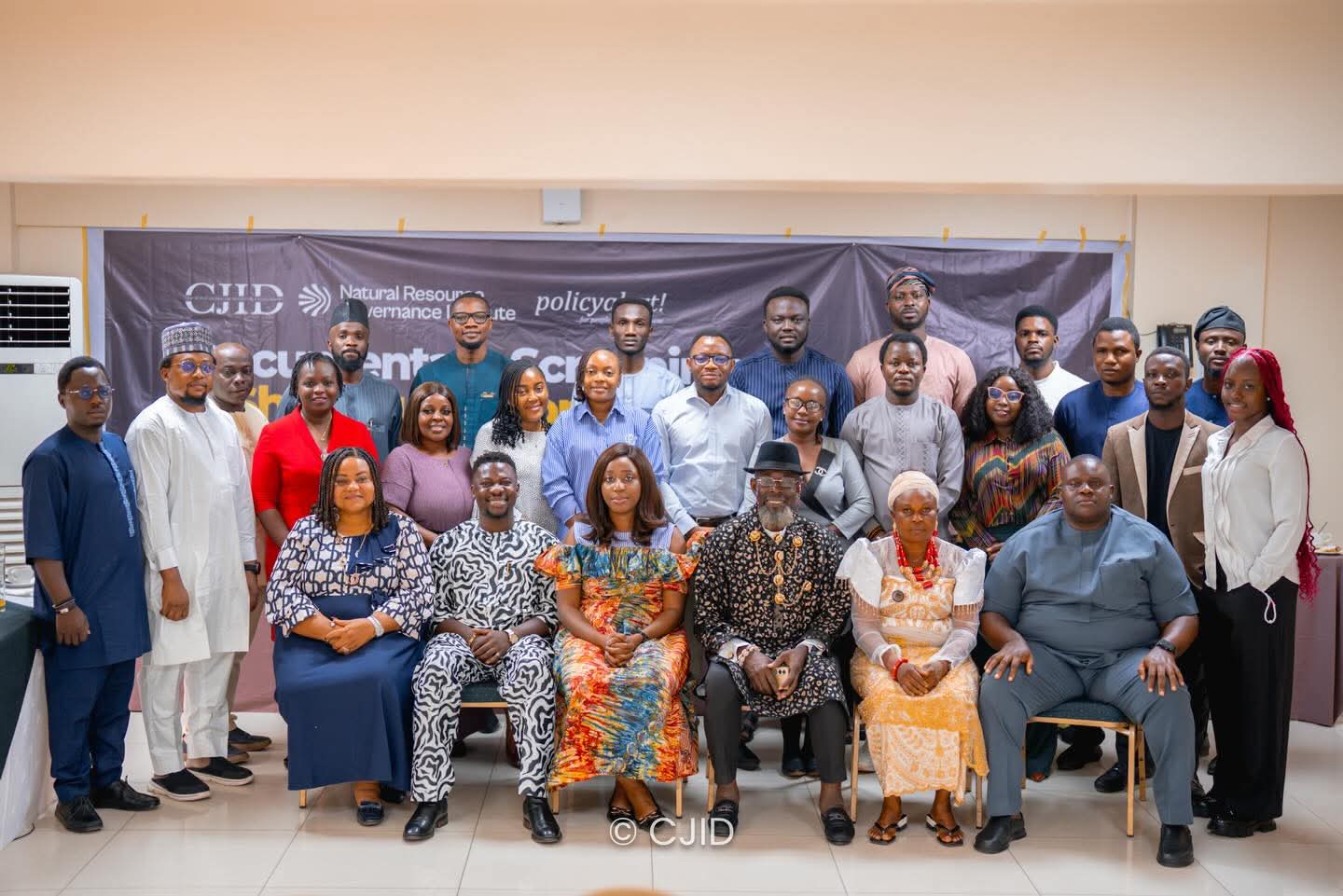
They made the call on Thursday in Abuja at a closed-door stakeholder dialogue and documentary screening on human cost of methane emissions in the Niger-Delta region.
The event was convened by the Natural Resource Governance Institute (NRGI) and the Centre for Journalism Innovation and Development (CJID).
The Stakeholders blame unaccountable methane emission, a highly potent greenhouse gas for the loss of many livelihoods, poor agriculture yield food, pollution and rising poverty in the affected areas.
In the documentary, Niger-Delta communities report rising respiratory illnesses, degraded farmlands and declining fish stocks linked to prolonged exposure to gas flaring and methane leaks.
Mrs Ayibakuro Warder, a women leader from Ikarama community, Okordia clan of Yenagoa LGA in Bayelsa, said climate change driven by methane emissions had negatively affected their livelihoods, particularly farming.
She said their farms barely produced enough to feed their families, while fishing, another primary source of livelihood, had suffered as gas flaring and methane emissions had polluted local waters, endangering fish.
“These are the only things we depend on at the village to train our children, to feed and to live on.
“We harvest very tiny tubers of cassava, which was not the case in the past,” she said.
The community leader said emissions had caused unfamiliar diseases, while the loss of livelihoods had fueled a rise in crime.
Similarly, Chief Zion Kientei, traditional leader of Lasukugbene in Southern Ijaw LGA, Bayelsa, lamented that two indigenous oil companies in his community had not conducted a comprehensive Environmental Impact Assessment (EIA) prior to commencing operations.
Chief Kientei, Chairman of the Council of Chiefs, emphasised that EIAs issued by the Federal Ministry of Environment were mandatory for major oil and gas projects to assess environmental and health risks before operations commenced.
He said that without EIAs, the companies lacked an environmental management plan for his community, putting residents at risk.
Earlier, the Country Manager of NGRI, Mrs Tengi George-Ikoli, said stakeholders must take concerted action to reduce methane emissions, warning of their serious economic and health impacts.
George-Ikoli said the government should go beyond formulating regulatory policy to ensure enforcement, while urging increased collaboration amongst CSOs to promote adoption of best practices, amplify community voices alongside educating communities among others.
She stressed the importance of Nigeria establishing comprehensive emission monitoring systems before 2027, and urged Oil and gas companies to disclose their methane emission data to OMP, NEITI and other relevant bodies.
According to her, the empowerment of regulatory bodies is crucial to enable them to monitor compliance by companies.
She urged companies to deploy technologies to capture methane before it escapes, stressing that as the main component of natural gas, it can be used to generate electricity, heat, or fuel for industries and households.
“What oil and gas-producing communities are experiencing reflects a gap between policy ambition and outcomes on the ground.
“Nigeria has taken important steps, but the lived reality in many communities shows that methane remains a daily health and livelihood challenge.
“The documentary released by Policy Alert and We The People, with support from NRGI, captures these realities and underscores the need to strengthen monitoring, enforcement and accountability across the sector,” she said. (NAN)(www.nannews.ng)
Edited by Yakubu Uba