













By Tosin Kolade, News Agency of Nigeria (NAN)
A few years ago, an incident at Gadadin Primary School in Kachi Ward, Dutse Local Government Area of Jigawa exposed the grave risks children face when basic Water, Sanitation and Hygiene (WASH) facilities are lacking in schools.
At the school, which has 1,084 pupils and 13 staff members, WASH conditions remain critically poor.
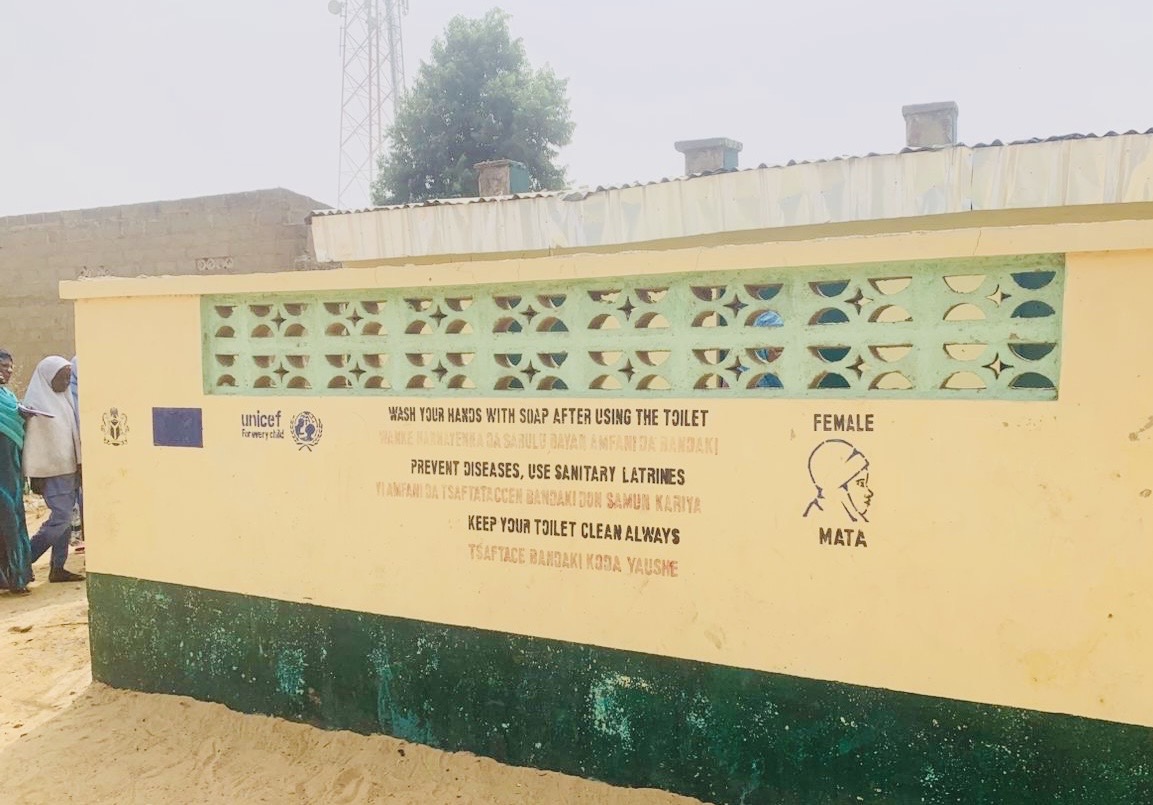
All six toilets designated for pupils are non-functional; they had been destroyed by flooding and wild animals about seven years ago.
Consequently, pupils resort to open defecation within and around the school premises.
The headmaster, Malam Ali Alhaji, explained that the incident was formally reported to the Local Education Authority, which visited the school to assess the damage, yet no reconstruction or repairs followed.
He added that the four staff toilets, though connected to a water system, were also non-functional due to lack of water and maintenance.
Furthermore, the school has no functional water source, forcing pupils and staff to bring water from home.
A nearby community well, previously used by pupils, is open and unprotected, becoming contaminated during the rainy season.
The headmaster said a cholera outbreak occurred after pupils consumed water from the well, prompting authorities to ban its use.
Concerned experts say the absence of water and functional toilets severely limits handwashing and hygiene practices.
They note that the lack of disability-friendly sanitation facilities exposes pupils with physical challenges to heightened health and dignity risks.
Community members recalled that during this period, a pupil died while attempting to fetch water during school hours.
Residents said the tragedy left a lasting impact, highlighting that inadequate WASH facilities in schools are not merely an infrastructure gap but a serious child protection concern.
In spite of these far-reaching implications, experts warn that the impact of poor WASH services in schools remains widely underestimated.
Available data paints a troubling picture.
In the foreword to the 2019 WHO/UNICEF baseline report on WASH in Health Care Facilities, the agencies warned that lack of water, sanitation, and hygiene exposes users to preventable health risks.
Although the statement focused on health facilities, experts argue the same applies to schools, where children spend long hours and are equally vulnerable to infections and unsafe environments.
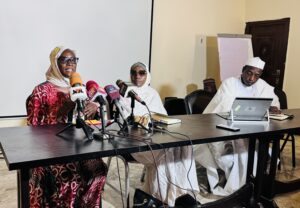
Recently, UNICEF convened a two-day Media Tour and Dialogue on WASH Services and Facilities in schools, health care facilities, and public spaces in Jigawa.
The initiative created a platform for duty bearers and the news media to interface with a focus on WASH standards and the current state of service provision.
The dialogue aimed to inform duty bearers and media organisations about minimum standards for WASH in schools and health care facilities, while also establishing the current status of WASH provision across the state.
By creating a shared understanding of the benchmarks, the initiative sought to strengthen accountability, promote data-driven decision-making, and galvanise action towards improving access to safe water, sanitation, and hygiene.
At the meeting, Mr Job Ominyi, UNICEF WASH Consultant, emphasised the need for clear and mutually agreed minimum standards.
According to him, such standards help measure progress towards Sustainable Development Goal (SDG) 6, while high-quality WASH contributes greatly to achieving SDGs 3 and 4 on health and education.
Data from the WHO/UNICEF Joint Monitoring Programme (JMP) shows that a significant proportion of schools in Nigeria lack basic WASH services.
Nationally, only about 10 per cent of the population has access to complete basic water, sanitation, and hygiene services, with rural residents three times more disadvantaged than urban counterparts.
In Jigawa, the challenge is pronounced; of 1,575 public schools assessed, only 2 per cent had access to basic WASH services, while fewer than 12 per cent met minimum standards across individual components.
The performance lags behind neighbouring Kano State.
Experts warn that these gaps increase children’s exposure to waterborne diseases, fuel absenteeism, and undermine learning outcomes.
Globally, WHO and UNICEF define core WASH indicators to include reliable access to safe water on premises, usable sanitation facilities, functional hand hygiene points, trained personnel for environmental cleaning, and safe waste disposal.
These benchmarks serve as minimum requirements for safety, dignity, and infection prevention.
In Nigeria, these global standards are implemented through tools such as WASHNORM and WASHFIT, which adapt WHO/UNICEF indicators to local systems.
WASHNORM provides data to guide planning at state and federal levels, while WASHFIT supports facility-level assessments and continuous improvement.
Stakeholders note that aligning school and facility upgrades with these tools is critical for reducing disease risks and strengthening public health preparedness.
At the meeting, Susan Akila, UNICEF Communication Specialist, described WASH in Schools as the foundation for safe, inclusive, and resilient learning environments.
Drawing on her extensive experience in advocacy and policy, she highlighted that access to clean water, sanitation, and hygiene is not just a public health issue but a critical factor in educational attainment and social equity.
She emphasised that WASH infrastructure directly influences school attendance, particularly for girls, as adolescent girls were more likely to miss school during menstruation if facilities were inadequate.
Akila also stressed that beyond the physical infrastructure, WASH interventions must incorporate hygiene education, behavioural change, and community engagement.
“Providing toilets and water points is not enough; children need to understand hygiene practices, and schools must ensure safe, private, and functional facilities.
“When girls lack privacy during menstruation, it compromises both their dignity and education.
“Similarly, children with disabilities must have access to facilities designed to meet their needs.”
Highlighting Jigawa’s achievement as the first Open Defecation-Free state in Nigeria, Akila said the milestone demonstrated the government’s commitment to public health, particularly the health of children.
 However, she noted that such progress must extend into schools, where WASH deficiencies remained a critical challenge.
“Many schools still rely on unimproved water sources or lack functional toilets, undermining hygiene education and behaviour change efforts.
“To protect children and ensure inclusive education, WASH must be integrated into every school’s operations,” Akila said.
At the same meeting, Prof. Haruna Musa, State Universal Basic Education Board (SUBEB) Chairman, outlined the state government’s strategic approach to tackling poor WASH conditions.
He said Jigawa was prioritising WASH infrastructure because inadequate facilities directly affected school attendance, retention, and learning outcomes.
“The government does not construct schools without toilets and currently manages 8,689 toilets across public schools.’’
Musa explained that the goal was 100 per cent WASH coverage, including both new constructions and rehabilitation of existing facilities.
He said that while implementation was phased and strategic, the government was committed to ensuring every school eventually had functional toilets, reliable water, and hygiene facilities.
“Community involvement through School-Based Management Committees and Parent-Teacher Associations is key to ensuring ownership and proper use of facilities.’’
He said that the state leveraged technology, with desk officers monitoring WASH facilities across schools to track usage and maintenance.
“Hygiene education is central to the strategy, with teachers trained to instil proper handwashing, sanitation, and maintenance practices among pupils.’’
Musa said that gender-sensitive infrastructure, including Menstrual Health Management-friendly toilets, was critical to supporting girls’ attendance and retention.
“It is crucial that schools not only have WASH facilities, but that they are used responsibly and maintained. Water sources must be protected, toilets kept clean, and students taught how to use them properly.
“Sustainability and co-ownership are key; investments must continue to benefit children long after initial construction,” he said.
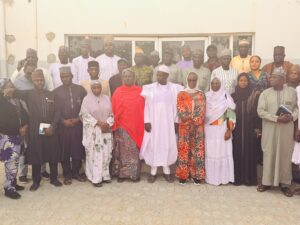 Dr Hauwa Babura, Technical Advisor to Gov. Umar Namadi on Basic Education, added that ongoing collaboration with development partners was vital to addressing gaps, particularly in newly established rural schools.
Babura noted that prioritising WASH was crucial.
She said the state government was taking the matter very seriously to safeguard the health and wellbeing of the population.
Overall, experts stress the need for sustained investment in school WASH, guided by data, regular monitoring, and adherence to JMP and WASHNORM standards.
Key priorities include gender-segregated and MHM-friendly facilities, proper maintenance, and hygiene education.
Development partners note that WASH must be central to education and child protection.
For Jigawa and other states, providing schools with safe water and hygiene is a pillar of child safety and gender equality, making it vital for ensuring the right to a high-quality education. (NANFeatures)