
















By Oluwafunke Ishola
Stakeholders in health, education and disability advocacy have urged the Federal Government to mandate the deployment of special education teachers in public and private schools to advance inclusion for children with special needs.
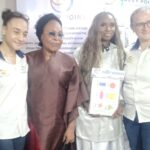
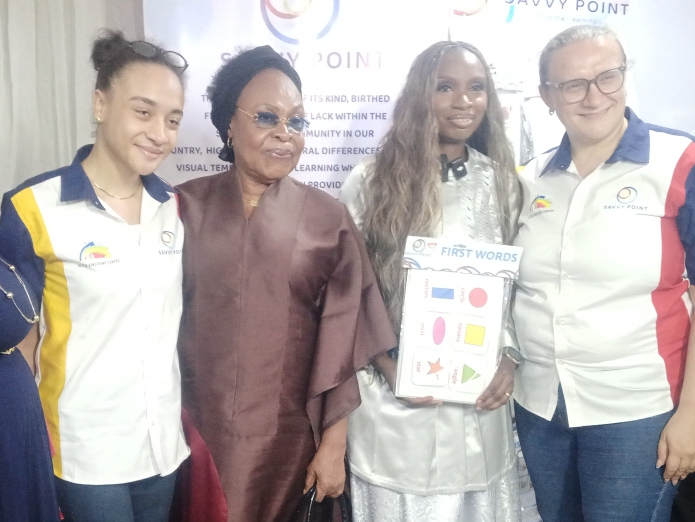
They made the call at the 2026 Special Educational Needs and Therapy Empowerment (SENTE) Conference and Trade Fair on Thursday in Lagos.
The News Agency of Nigeria (NAN) reports that the conference has the theme, “Preparing for Adulthood: Empowering Caregivers and Families”.
Mr Yinka Ogunnubi, a financial expert, during a panel session titled “Building Inclusive Communities”, said the intervention from the government would address the challenges of school enrolment rejection faced by special needs children and their parents.
Ogunnubi, also President of the Association of Corporate Treasurers of Nigeria and a parent to a special needs child, lamented that the discrimination had hindered many children from accessing education.
He said, “This particular issue affects a lot of parents. The unfortunate thing is, because of stigma a lot of cases of special needs are not being spoken about.
“The children are being locked up in the house. They are being taken to spiritual centres to remove demons from them. The children are being maltreated.
“However, if we’re able to make the government realise that there are lots of children on the spectrum, because we’re talking about a spectrum disorder.
“It’s not just about autism; it’s down syndrome, it’s dyslexia. There are a whole lot of people within that neurodivergent area. It’s about that community.”
According to him, if the government recognises the large number of children in that space, it has a strong case for funding inclusive schools.
“Schools must have the capacity to take care of special needs. Children at this time should not be sent away from school because the school does not have teachers to take care of them. Every school must be inclusive,” he said.
He emphasised that the government must provide adequate funding and regulation so that both public and private schools could accommodate every child, whether typical or neurodivergent.
Ogunnubi recommended that the National Centre for Autism (Establishment) Bill, 2025, sponsored by Senator Natasha Akpoti-Uduaghan, to establish a federal agency for autism spectrum disorders be renamed the National Centre for Neurodisorders.
He explained that this would expand the scope of intervention to include other spectrum disorders to create a more inclusive and supportive environment for those with the condition.
NAN reports that the bill which had passed first reading in the Nigerian Senate seeks to create a central hub in Abuja and six zonal centres to provide specialised diagnosis, therapy, education, and vocational training for autistic children and adults.
Similarly, Daisy Jonathan, Founder and Director of Pleasant Places SENtre (UK), said inclusion must be intentionally built into school systems, its infrastructure, environment, and policies, so every child could participate meaningfully.
Jonathan, however, said many schools admit children with disabilities out of charity, not because they were truly inclusive.
She noted that Nigeria’s inclusion policy lacks clear definitions, leaving schools without standards for support, staff training, or accessibility.
As a result, she said inclusion becomes inconsistent and superficial.
“True inclusion requires whole-school commitment, from gatekeepers to teachers, and clear, enforceable guidelines to ensure every child can thrive.”
Also, Solape Azazi, Founder of Cradle Lounge Special Initiative, said early identification and appropriate support are critical to a child’s quality of life.
“However, when family members, religious leaders, or community members misunderstand the child’s needs, by spiritualising the issue or holding misconceptions about diagnoses like autism, they create barriers to accessing that support,” she said.
Azazi stressed that ignorance fuels stigma and undermines effective care, adding that education and open-mindedness are essential to breaking myths surrounding neurodivergence.
Ms Tobiloba Ajayi, Founder of Let Cerebral Palsy Kids Learn Foundation, urged parents to raise children with a positive mindset during a session titled “Life Skills in Preparation for Independent Living”.
She encouraged parents to instil confidence in their children, noting that a diagnosis does not define identity or potential.
Dr Mudi Nwachukwu, Chair of the SENTE Organising Committee, called for increased funding to establish therapy centres, train professionals and provide financial support to families.
She said many states lack access to basic therapies, disclosing that some have no speech therapists, leaving families without essential services.
Nwachukwu further advocated strong anti-discrimination policies to protect persons with special needs and ensure accountability, stressing that effective implementation would help build a more inclusive society.
Edited by Olawunmi Ashafa