















By Mark Longyen
The Economic Community of West African States (ECOWAS) says women, youth and informal traders are crucial to unlocking West Africa’s economic growth under the African Continental Free Trade Area (AfCFTA).
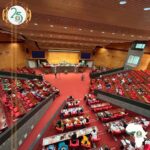
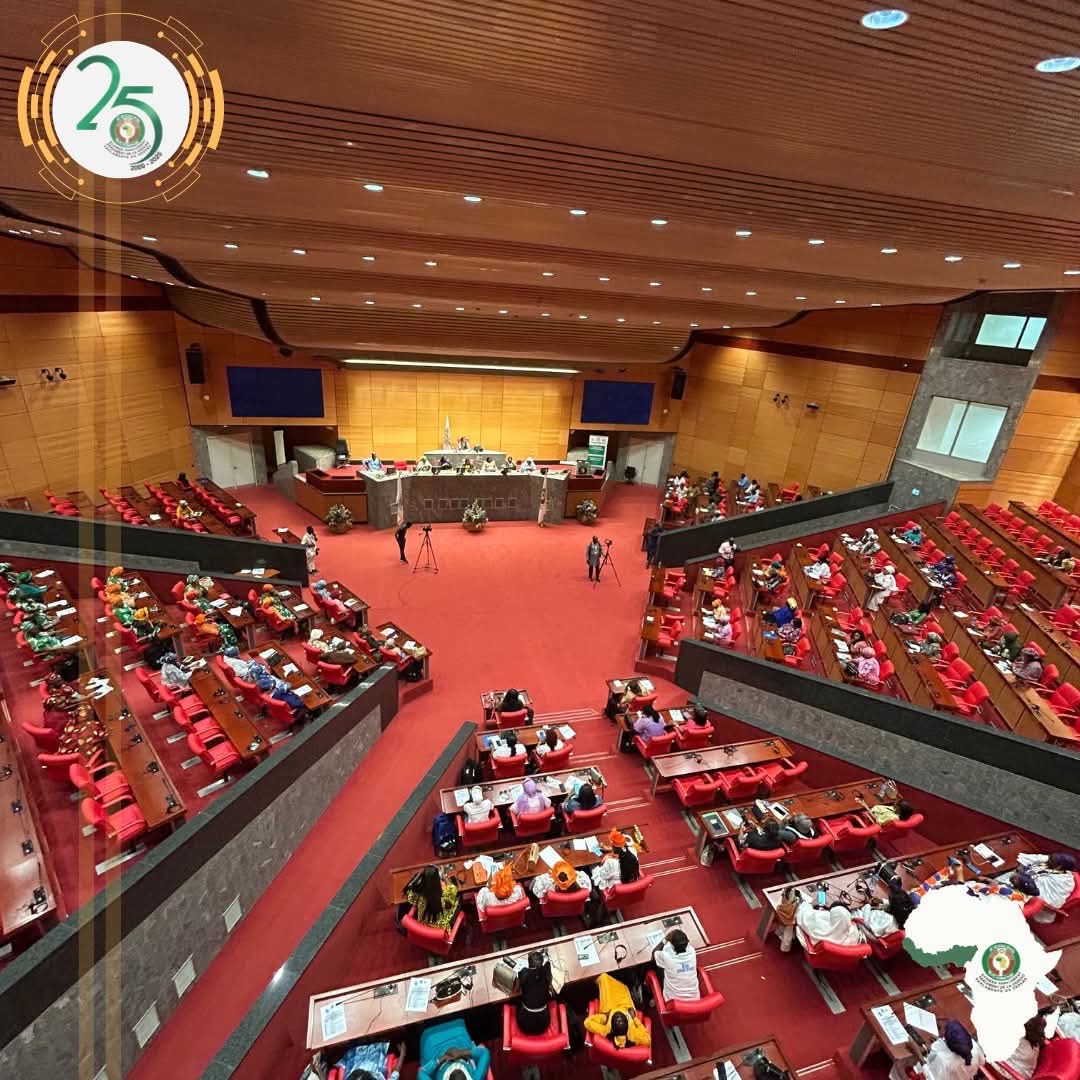
ECOWAS Programme Officer, Trade Development, Christopher Mensah-Yawson, made this known at the ongoing 2026 First ECOWAS Parliament Extraordinary Session and Seminar on Wednesday in Abuja.
The News Agency of Nigeria (NAN) reports that the seminar is themed: “Deepening Regional Integration through the AfCFTA: Opportunities and Challenges for Expanding Intra-Community Trade.”
Mensah-Yawson, in a presentation, spoke on the theme: “Women, Youth, and Informal Cross‑Border Traders: Unlocking Inclusive Growth Under the AfCFTA,” and canvassed the dismantling of barriers to women, youth and informal traders.
He called for “gender-responsive, youth-friendly, and inclusive policies” across the region, stressing that their segment was central to West Africa’s economic resilience, food security, and sustainable development.
“Our population exceeds 456 million, nearly half of which are women, and the median age is 18.2 years, which constitutes enormous opportunities and serious challenges for integration and development.
“The future of West Africa’s trade depends on making AfCFTA work for those historically excluded from formal markets,” he said.
The ECOWAS programme officer also called for urgent reforms to remove such structural barriers to full participation in regional trade under the African Continental Free Trade Area (AfCFTA) of this segment of community citizens.
According to him, reforms that will engender the inclusion of women, youth and informal traders in all policies under AfCFTA are key to unlocking regional economic growth and social development across the ECOWAS bloc.
“Women account for about 74 per cent of informal cross-border trade operators in West Africa, while young people under 25 rely heavily on informal trade for livelihoods.
“Women and youth face multiple obstacles, including cumbersome customs procedures, limited access to finance and storage facilities, gender-insensitive border infrastructure, harassment, extortion and security risks.
“Member States and lawmakers must, therefore, intensify reforms to formalise informal trade, protect vulnerable traders, and dismantle barriers to formal markets,” he said.
He described AfCFTA as a platform for inclusive trade, with frameworks like the Protocol on Women and Youth in Trade, simplified trade regimes, digital trade initiatives, and SME support programmes.
Mensah-Yawson outlined the ECOWAS initiatives aimed at expanding opportunities for women and youth entrepreneurs to include the Informal Trade Regularisation Support Programme, Trade and Gender Framework (2024–2030), and Regional E-Commerce Strategy.
NAN reports that the weeklong event, which began on Monday and ends on Saturday, aims to strengthen intra-regional trade toward achieving sustainable, inclusive West African economic growth driven by AfCFTA.
AfCFTA is the world’s largest free trade area agreement signed by 54 African countries, covering a market of approximately 1.3 billion people with a combined GDP of over 3.4 trillion dollars.(NAN)(www.nan.ng)
Edited by Bayo Sekon