










By Felicia Imohimi
The Sasakawa Africa Association (SAA) has warned that Nigeria could spend 110 billion dollars on food imports in 2025, if it fails to adopt and strengthen digital agricultural extension services.
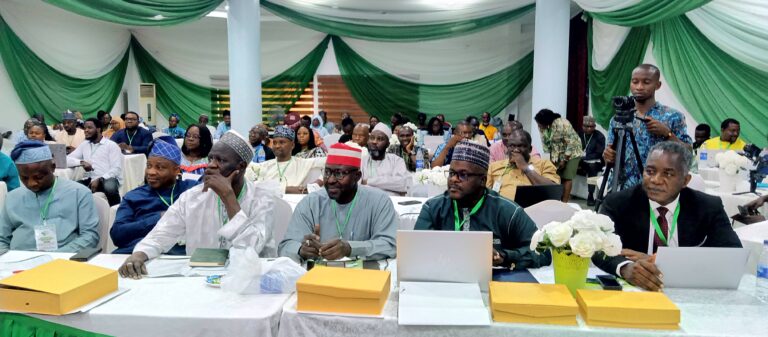
Dr Godwin Atser, SAA’s Country Director, said this on Tuesday in Abuja at the Annual Stakeholder Workshop, themed “Transforming the Agricultural Landscape through Digital Agricultural Extension and Advisory Services”.
Atser identified extension and advisory services as key to agricultural transformation, stressing that continuous spending on food imports is unsustainable.
“If we continue to do that, it means we are exporting jobs, and that will further affect our economy.
“However, if we are importing food and our productivity continues to remain low, one of the things that is going to happen is that climate change, which is one of the controls, will further worsen the situation”.
Atser called for immediate stakeholder intervention to address the existing gaps in Nigeria’s agricultural extension services, urging a shift in approach.
He noted that while there are innovations capable of transforming agriculture, the country’s extension system remains weak.
“In some states at the moment, there is no extension service at all, We have seen consistently that economies that make progress in agricultural transformation are those that place strong emphasis on technology transfer”.
Speaking on the workshop theme, Atser noted that over 90 per cent of Nigeria’s population use mobile phones, with internet penetration growing rapidly across Africa.
He stressed the need to harness these opportunities to deliver timely and high-quality information to farmers, improving their livelihoods.
“Harnessing the power of digital solutions will be a very good instrument that will help us succeed in our agricultural transformation.
“In today’s fast-changing world, digital solutions are revolutionising how we deliver our extension and advisory services.
“It entails bridging gaps, empowering stakeholders, and ensuring that critical knowledge reaches those who need it most, be it in agriculture, health, education, or business.
“Digital tools enable us to provide real-time, accessible, and data-driven support, ultimately enhancing decision-making and productivity”.
Atser also noted the increasing role of Artificial Intelligence (AI) in global agriculture, stating that AI-driven tools can predict various factors affecting the sector through computer-based analysis.
He emphasised that stakeholders must leverage digital tools to transform agriculture, while also highlighting the importance of collaboration in improving agricultural productivity.
“The key to addressing the productivity challenge in agriculture and making digital solutions effective is collaboration,” Atser added. (NAN)
Edited by Tosin Kolade