










By Oluwafunke Ishola
The Society of Family Physicians of Nigeria (SOFPON) says integrating mental health services into primary care, through the efforts of family physicians, is crucial for improving mental health outcomes of patients.
Its President, Dr Blessing Chukwukelu, said this on Monday during a news conference in commemoration of World Family Doctor Day.
The World Family Doctor Day, celebrated globally on May 19, aims to highlight the vital role family doctors play in mental wellness, emphasising the interdependence between doctors’ well-being and ability to care for patients.
The theme of the 2025 celebration is “Building Mental Resilience in a Changing World”.
Chukwukelu noted that primary care, with its emphasis on long-term relationships, continuity of care, and a person-centred approach, is uniquely positioned to promote mental wellness.
She emphasised that integrating primary care aligned with the recommendations of the World Health Organisation (WHO) for low and middle-income countries like Nigeria, as a foundation for improving mental health outcomes.
According to her, this approach to care enables early diagnosis and treatment for mental health conditions before they escalate to crises.
“The burden of mental illness in Nigeria is substantial, a fact that is often obscured by the pervasive stigma that surrounds mental health issues.
“This stigma, this reluctance to acknowledge and address mental health challenges, prevents countless individuals from seeking the help they need.
“It leads to delay in diagnosis, hinders access to treatment, and it perpetuates a cycle of suffering that can have devastating consequences,” she said.
Chukwukelu highlighted that the shortage in the number of psychiatrists, a ratio put at one psychiatrist to 700,000 patients, was a major impediment to access specialised care, especially in rural and underserved areas.
The president noted that routine screening for mental health conditions in primary care settings is unmet due to the absence of standardised screening tools that are culturally appropriate for the Nigerian context.
She lamented that the situation is further complicated by the lack of adequate training in mental healthcare for primary care staff.
“This lack of training leaves a significant gap in the early identification and management of common mental disorders at the community level, where family physicians are often the only healthcare providers readily accessible.
“It is against this backdrop that the role of the family physician becomes even more critical.
“We, as family doctors, are strategically positioned to address these challenges, to bridge these gaps, and to make a tangible difference in the lives of those struggling with mental health conditions.
“As the first point of contact in the healthcare system, we have the opportunity to conduct initial mental health screening, using validated tools such as the General Health Questionnaire (GHO-12) or the Patient Health Questionnaire (PHO-9), which have been successfully piloted in some Nigerian primary care settings,” she said.
She emphasised that these screenings can help to identify individuals who may be at risk of mental health problems, allowing for early intervention and timely referral to specialised services when needed.
Chukwukelu noted that family doctors’ presence and proximity in communities allow them to raise awareness about mental health issues, reduce the stigma that surrounds it and encourage individuals to seek help without fear of judgment.
She added that through targeted training in mental health, family physicians acquire the skills and knowledge necessary to manage common mental disorders effectively.
“We are not just treating illnesses; we are caring for people. We are not just addressing symptoms; we are understanding the context of their lives.
“Life, as we all know, can be incredibly stressful and uncertain. Individuals everywhere are grappling with a wide range of challenges, from anxiety and depression to grief and the everyday pressures of modern life.
“Family Doctors, with their holistic understanding of their patients’ lives, are able to identify and address these challenges early, before they escalate into a full-blown crisis,” she said.
According to her, SOFPON is championing conversation from an unattainable idea of perfect mental health to one of building resilience, adaptability, and balance in an ever-changing world.
She acknowledged the challenges of mental health care, however, noted that they are surmountable through collaborating across sectors and harnessing the power of collective expertise.
“We can create a society that not only supports mental health but also fosters resilience, enabling individuals to live fulfilling lives, to reach their full potential, and to contribute meaningfully to their communities,” she said.
Similarly, Dr Sixtus Ozuomba, Lagos State Chairman of SOFPON, urged family doctors to prioritise their mental wellness to enable them to function effectively for their patients.
According to Ozuomba, doctors aren’t immuned to social and economic challenges, which could affect their mental health.
According to him, paying proper attention to mental well-being enables both doctors and patients to thrive together, creating a healthier and more resilient healthcare system.
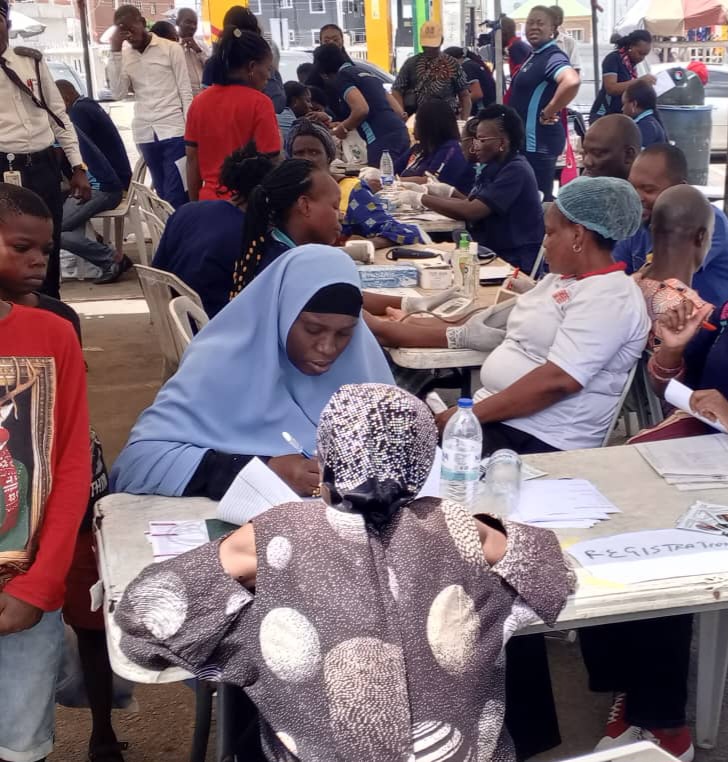
He disclosed that SOFPON was collaborating with R-Jolad Hospital to celebrate the World Family Doctor’s Day with an awareness walk and free health outreach for the public. (NAN) (www.nannews.ng)
Edited by Vivian Ihechu