


By Stellamaris Ashinze
The Nigerian Institute of Welding (NIW) says that efforts are underway to regulate and integrate informal, roadside welders into Nigeria’s national certification system through the National Skills Qualification Framework (NSQF).
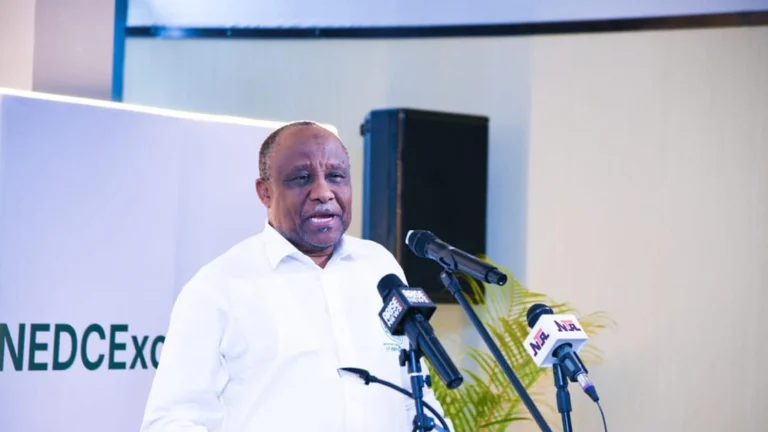
The President, NIW, Dr Solomon Edebiri, made this known in an interview with the News Agency of Nigeria (NAN) in Lagos on Monday, while speaking on challenges associated with unregulated welding practice in the informal sector.
Edebiri described informal welding practice as a major issue, stressing that certification and standardisation remained critical to ensuring quality, safety and employability.
He said that the skills qualification framework provided an opportunity for welders outside the formal education system to become certified without necessarily attending conventional classrooms or workshops.
According to him, the framework allows informal welders to continue their work while receiving guidance under a master craft person until they reach an assessable competency level.
“Once such welders are ready, an NSQF-accredited assessor or internal quality control officer conducts an evaluation to determine their skill level.
“If they are not qualified at a certain level of practice, they will not be certified at that level,” he said.
The NIW president said that the institute had worked with the National Board for Technical Education (NBTE) to establish a National Skills Qualification Framework that defined training and certification methods for welders.
He said the initiative was designed to create a structured pathway for welders in the informal sector to be recognised, upgraded and properly documented.
Edeberi added that the goal was to support government’s efforts in creating a system where informal welders could be organised, assessed and guided toward internationally acceptable standards.
He said such an approach would enhance productivity, improve job opportunities and reduce cases of poor welding outcomes that could result in accidents and infrastructure failure.
Edebiri also explained that the institute played a key role in ensuring that welding practice in Nigeria was carried out under proper quality assurance processes.
He said welding engineers must be involved in design processes, material selection, welding execution and integrity testing to ensure safe outcomes.
The NIW president expressed optimism that with proper implementation and wider participation, the NSQF would strengthen Nigeria’s skilled workforce and support industrial development.(NAN)(www.nannews.ng)
Edited by Christiana Fadare

Comments