



















By Rukayat Moisemhe, News Agency of Nigeria (NAN)
For decades, the Nigerian oilseed industry has quietly sustained rural livelihoods, supplied factories and supported household food security across the country.
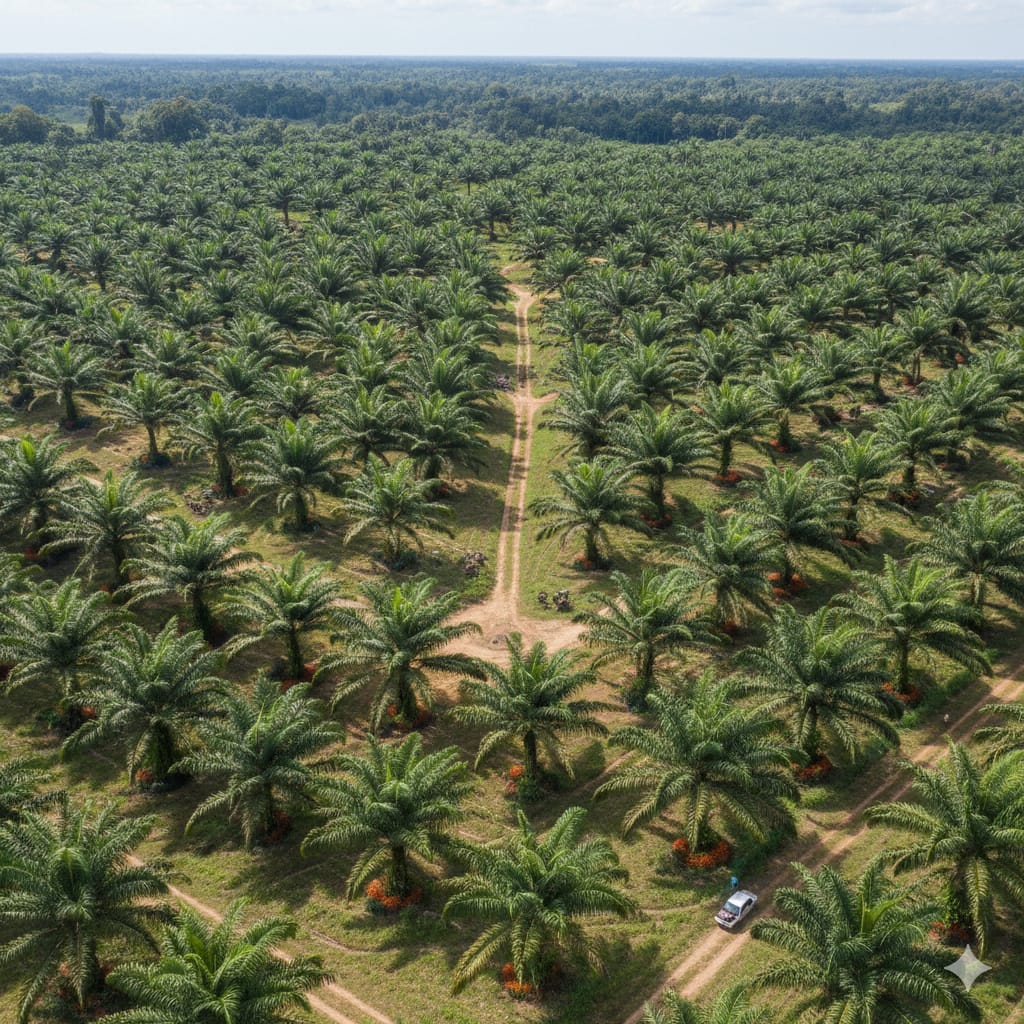
The oil ecosystem, woven around palm oil, soybean and other oilseeds, links smallholder farmers, processors, transporters, refiners and traders in one long value chain.
Today, that ecosystem is experiencing growing challenges, as policy inconsistency and unchecked smuggling have caused the Nigerian market to be flooded with cheap imports, crashing local prices and threatening long-term investment.
Toward the end of last year, operators and stakeholders across the vegetable oil industry revealed that they began to notice a sharp increase in imported oils entering the country.
The timing, they stated, could not have been worse as indigenous producers, already affected by high energy costs, poor infrastructure and rising input prices, began to experience distortions in market prices from cheap importations.
The stakeholders said that from palm oil plantations to soybean farms, Nigeria’s oilseed value chain was under pressure as policy reversals and porous borders flood the market with cheap imports, crashing prices and shaking investor confidence.
According to them, these issues have begun crippling local production, threatening billions of dollars in investment and endangering millions of livelihoods across the value chain.
Chairman of the Plantation Owners’ Forum of Nigeria (POFON), Mr Emmanuel Ibru, said the industry had witnessed a sharp influx of imported vegetable oil toward the end of 2025.
This, he said was at a time when local producers were already grappling with high production costs.
According to him, the situation has had severe ripple effects on vegetable oil manufacturers and palm oil producers
He noted that palm oil remained a critical input in vegetable oil production.
Ibru recalled that earlier policy interventions, particularly during the President Olusegun Obasanjo administration, helped stabilise the sector through the imposition of duties on palm oil imports and a ban on refined vegetable oil imports.
He noted that since that time, billions of dollars had been invested by indigenous companies across plantations, processing and logistics, investments he said were now under threat due to cheap imports.
“When you are pushing down food prices, what is the point if the people meant to benefit no longer have jobs or income?” Ibru asked.
President of the National Palm Produce Association of Nigeria (NPPAN), Mr Alphonsus Inyang, said recent government interventions across agricultural commodities had largely impoverished primary producers, with oil palm farmers among the hardest hit.
Inyang said palm oil prices had fallen by about 50 per cent in less than two months, even as the country approached the peak production season.
“Palm oil is currently selling for less than N2,000, which is not sustainable for smallholder farmers who depend on it for school fees, healthcare and household survival,” he said.
He attributed the price crash largely to rampant smuggling through Nigeria’s porous land and sea borders, noting that the country had over 300 illegal entry points for palm oil across five states and more than 30 maritime routes.
“Every night and morning, oil comes in through waterways and land borders, flooding markets across the country.
“Government is losing revenue, and local producers are being forced to sell at prices dictated by smuggled products,” Inyang said.
He urged government to treat oil palm as a strategic commodity, citing Ghana’s recent 100 million dollars budgetary allocation to oil palm development under a dedicated national programme.
“In Malaysia and Indonesia, oil palm is called the ‘tree of life’. In Nigeria, we are yet to see it that way,” he said.
Chairman of the Vegetable Oil Sub-Sector of the Manufacturers’ Association of Nigeria (MAN), Mr Mohammed Tahir, criticised what he described as policy reversals and poor enforcement.
He urged Nigeria to learn from countries such as China, India, Indonesia and Brazil, while protect domestic agricultural industries while building competitive advantage.
Similarly, President of the Soyabean Association of Nigeria, Dr Christopher Uwala, said unchecked imports and poor data had distorted the market and discouraged farmers.
“If Nigeria consumes 1.6 million tonnes and produces 1.2 million, only 400,000 tonnes should be imported. But there are no reliable statistics, and people import far beyond shortfalls,” he said.
Uwala added that falling prices and lack of access to equipment and quality inputs were pushing farmers out of production, with long-term implications on health and food security.
Chairman of the Vegetable and Edible Oil Producers Association of Nigeria (VEOPAN), Chief Okey Ikoro, warned that frequent policy changes were destabilising an industry with long gestation periods and high capital requirements.
He noted that the issue of smuggling further complicates matters as unbranded vegetable oil, often transported in yellow jerry cans, had become common in markets across the country.
Ikoro warned that aside from economic damage, the influx poses quality and public health risks, as such products fall outside regulatory oversight.
“Plantations take years to mature. You cannot encourage investors to borrow and invest, then suddenly reduce tariffs to allow cheap imports.
“It will lead to debt, unemployment and increased foreign exchange pressure,” Ikoro said.
He also raised concerns about product quality and public health risks associated with unregulated imports.
He argued that regional trade agreements such as the African Continental Free Trade Area (AfCFTA) allows countries to protect sensitive and strategic products, including food commodities.
“I call on government to retain edible oil on the import prohibition list, strengthen border controls, enforce existing policies, and introduce targeted incentives and intervention funds to support local production,” he said.
The industry stakeholders maintained that with the right policies and support, the oil palm sector alone could generate a N20 trillion annual economy, drive rural development and significantly reduce poverty.
They insist the oilseed ecosystem could still be stabilised only if the government chooses consistency, enforcement and long-term productivity, positioning it as the country’s quiet strength for economic development. (NANFeatures)
***If used, please credit the writer and the News Agency of Nigeria.