

By Philip Yatai
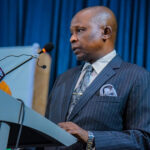
The Minister of the Federal Capital Territory (FCT), Mr Nyesom Wike, says infrastructure is more than concrete and steel, but a political education in physical form.
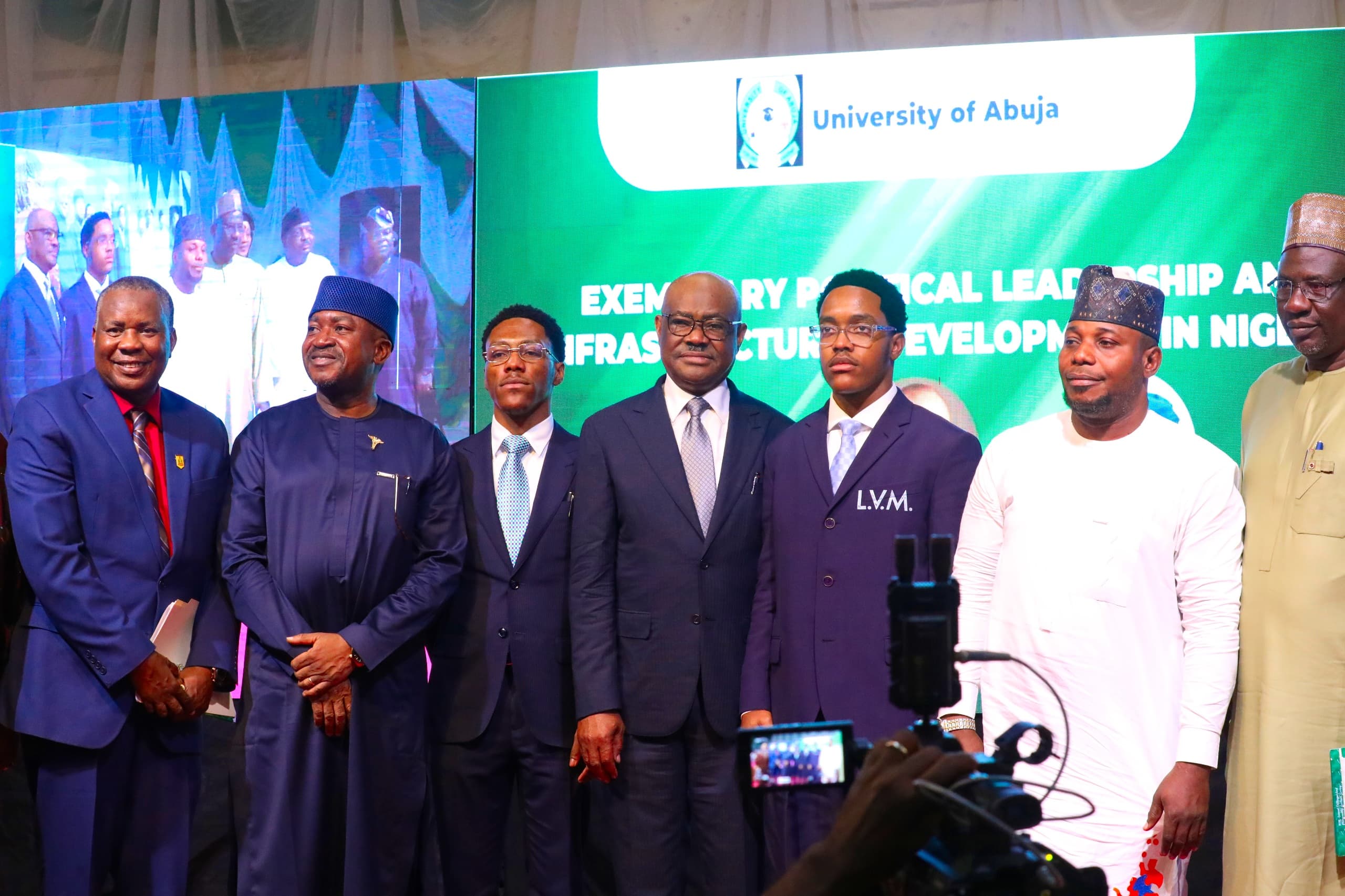
Wike said this in Abuja on Tuesday, in a lecture entitled, “The Impact of Political Leadership on Infrastructural Development in Nigeria: Between Dividends of Democracy and Good Governance”.
He presented the lecture at the 2026 Annual Distinguished Personality Lecture Series, organised by the Faculty of Social Sciences, Yakubu Gowon University, Abuja.
The Minister noted that where democracy delivered infrastructure, it earned legitimacy; but where it failed, it breeded cynicism.
He said: “Infrastructure is not simply roads and bridges; it is the circuitry of nationhood; it connects destinies, unlocks human potential, and provides the physical and digital foundations upon which national transformation rests.
“No nation becomes great without robust infrastructure. A truly functional Nigeria is one where a child in rural Zamfara enjoys the same quality of education, healthcare, and opportunity as one in the FCT.
“Where efficient transport, reliable power, and digital innovation are not privileges but everyday realities. Infrastructure, in this sense, is the architecture of equality; it delivers dignity, inclusion, productivity, and hope.
“It is for this reason that infrastructure remains the most honest measure of governance. It is the clearest language through which governments reveal their priorities, values, and seriousness of purpose.
“Roads point to what truly matters; urban planning reflects what is valued; public transportation signals inclusiveness; housing policy exposes whether leadership understands dignity as a public good.
“Infrastructure is, therefore, not merely physical; it is social, economic, and moral”.
The Minister added that when governments build roads, they connect not only cities but economies and when they invest in schools, they shape not only literacy but citizenship.
He also said that when they provide reliable power, they energise not only industry but human dignity.
“In this way, infrastructure becomes political education cast in concrete and steel – teaching citizens that governance is real, leadership is purposeful, and the state exists to serve.
“Even the sternest critic of President Bola Tinubu will concede that Nigeria is witnessing tangible improvement in infrastructure.
“His Renewed Hope Agenda is more than a slogan; it represents a deliberate reordering of national priorities toward sustainable development.
“Through decisive investment and political courage, the administration is confronting long-standing structural challenges that previous governments avoided,” he said.
He, however, said that the provision of infrastructure teaches citizens that governance was real, leadership purposeful, and the state existed not as an abstraction, but as a servant of the common good’.
“Where these assurances are absent, democracy becomes fragile; reduced to ritual without substance, and form without meaning,” he said.
Speaking on democracy beyond rituals, Wike described democracy as a social contract whose credibility was measured not only at the ballot box, but in the quality of life it created and sustained.
He stressed that the democracy Nigeria required must go beyond electoral rituals to manifest in everyday accountability, transparency, and active citizen participation.
”It must be a system that treats public office not as a privilege to be exploited, but as a sacred trust to be honoured; not as an avenue for personal enrichment, but as a platform for collective transformation.
”Also, good governance is the engine that drives this aspiration, ensuring that institutions function efficiently and equitably, and that government remains responsive to the needs, dignity, and legitimate expectations of the people.
“Yet we must remind ourselves that democracy, though widely regarded as the best form of government, is among the most demanding to establish on firm footing and even more difficult to sustain.
”Democracy is not a potted plant that can be transplanted into any soil and expected to flourish without commitment, sacrifice, and vigilance,” he also said.
The Minister, therefore, called on Nigerian not to merely desire for democracy, but to work for it – daily and deliberately – through responsible leadership, engaged citizenship, and an unyielding commitment to justice and equity.
He noted that for the ordinary citizen – the market woman, the civil servant, the artisan, and the student democracy was not an abstract ideal.
“It must translate into concrete realities; roads that work, schools that inspire, hospitals that heal, water that runs, security that reassures, and cities that dignify human life.
”It is in these everyday encounters with the state that democracy is either validated or questioned,” he added. (NAN)
Edited by Deborah Coker