









By Moses Kolo
The Christian Rural and Urban Development Association of Nigeria (CRUDAN) has intensified efforts to eradicate child labour in the ginger supply chain in Southern Kaduna.
The association has also urged collective action from communities, NGOs, farmers, agricultural extension workers, policymakers and other critical stakeholders.
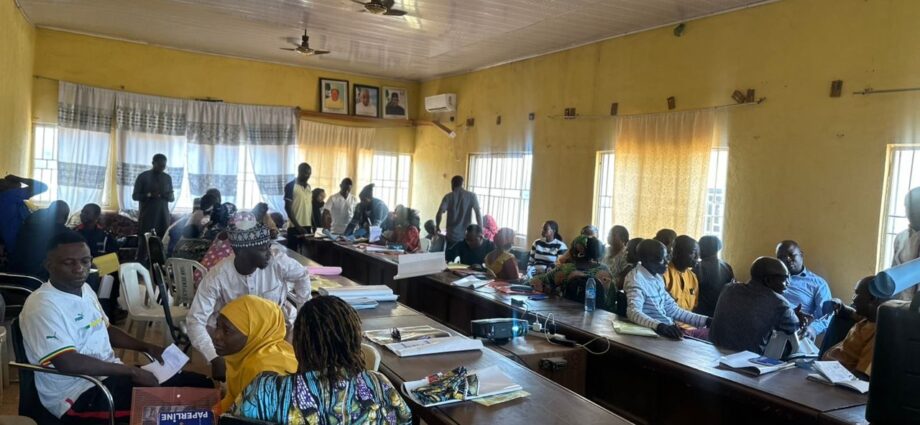
CRUDAN made the call on Tuesday at a one-day Stakeholders’ Debriefing, Learning and Sustainability Workshop on Child Labour Awareness Creation in Ginger Production held in Kachia, Kachia Local Government Area of Kaduna State.
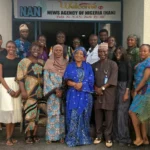
The workshop brought together participants from Fai in Jaba Local Government Area and Kachia LGA to review progress, share findings and develop sustainable strategies to address child labour in ginger-producing communities.
Speaking at the event, the Project Consultant, Mr Michael Agon, said the programme was part of ongoing efforts to eradicate child labour in the ginger supply chain in Southern Kaduna.
Agon explained that the main goal of the awareness training was to educate communities, farmers, processors, policymakers and other stakeholders on the dangers and long-term impacts of child labour on children and society at large.
“Child labour robs children of their childhood, education and future potential. It is any work that deprives children of schooling and is mentally, physically, socially or morally harmful.
“As of 2020, about 160 million children globally are engaged in child labour, with Sub-Saharan Africa recording the highest prevalence.
“This underscores the urgency of local action,” he said.
He stated that about 79 million children worldwide were involved in hazardous work that could harm their health, safety or moral development.
According to him, poverty, lack of access to education, weak enforcement of laws, harmful social norms and low awareness levels are among the major drivers of child labour in ginger-producing communities.
Agon said the objectives of the engagement included evaluating the effectiveness of current prevention and remediation strategies, reviewing data from assessments and inspections, strengthening coordination among stakeholders and developing clear action plans with timelines and responsibilities.
He emphasised the need to promote accountability and compliance with child protection laws and ethical standards among employers and community members.
Also speaking, Mrs Ruth Danladi from Fai, described the workshop as timely, saying many families unknowingly involve their children in farm activities that interfere with schooling.
“We now understand better the difference between helping at home and exploitative labour. As community leaders, we will work with parents to ensure children remain in school,” she said.
Mr John Bako, a ginger farmer from Kachia, pledged that farmers would support efforts to eliminate child labour in the supply chain.
“We must protect the future of our children. With proper awareness and support, farmers can adopt practices that do not depend on child labour,” he said.
In his remarks, Mr Samuel Luka, a schoolteacher in Kachia, said teachers had a crucial role in identifying and supporting at-risk children.
“Absenteeism, fatigue and poor academic performance are signs we must not ignore. We will strengthen collaboration with parents and relevant authorities to safeguard our pupils,” he said.
Participants at the workshop agreed on the need for sustained collaboration among government agencies, NGOs, supplier companies, traditional and religious leaders, schools and law enforcement agencies to prevent and respond effectively to child labour cases.
They also resolved to develop community-based action plans to ensure continuous monitoring, awareness creation and enforcement of child protection measures as sustainability strategies in ginger-producing areas of Southern Kaduna. (NAN)
Edited by Bashir Rabe Mani