








By Perpetua Onuegbu
Auwal Rafsanjani, the Executive Director of CISLAC and Head, Transparency International, Nigeria, has cautioned Nigerians against the demarketing of the country abroad.
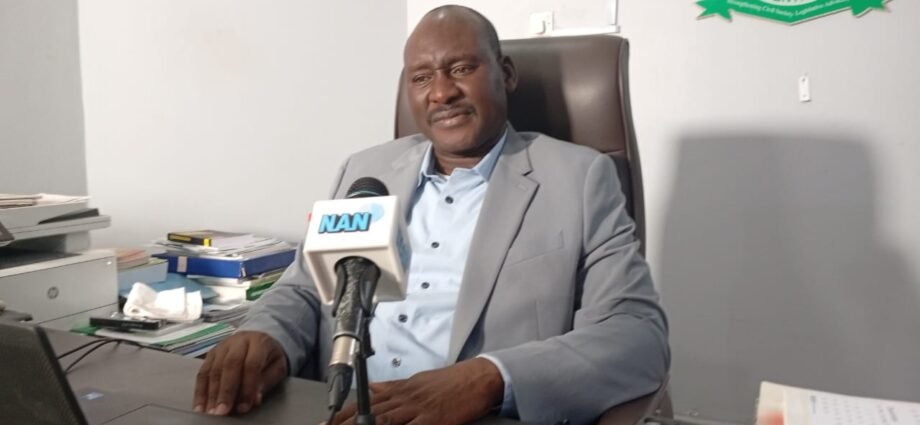
Rafsanjani, while featuring on the News Agency of Nigeria (NAN) Personality Interview Series in Abuja on Sunday, urged Nigerians to distinguish between criticism of the country’s leadership and actions capable of undermining national interest.
According to him, while citizens have constitutional rights to criticise government policies or leaders, campaigns portraying the country negatively on the international stage can have unintended consequences for ordinary Nigerians.
“There is a difference between disagreeing with leaders and attacking your country. When you destroy your country’s image, you are invariably injuring yourself,” he said.
The CISLAC chief warned that calls for international sanctions against Nigeria, often driven by dissatisfaction with governance or perceived injustice, tend to hurt citizens more than political leaders.
“When economic sanctions are imposed, they affect ordinary people, not necessarily the leaders who often have alternatives outside the country,” he added.
Rafsanjani argued that transparent and credible elections remained the most effective way for citizens to remove unpopular leaders at the local, state and national levels rather than seeking external punitive measures.
He, therefore, called for stronger collaboration among civil society, the media and democratic institutions to promote voter education, responsible public discourse and peaceful participation in elections as pathways to strengthening Nigeria’s democracy.
Rafsanjani identified Civil Society Organisations (CSOs) and the media as critical stakeholders in strengthening citizens’ participation in the country’s electoral process through sustained voter education, civic sensitisation and responsible public communication.
He noted that since Nigeria’s return to democratic rule in 1999, CSOs had consistently worked to educate and mobilise voters in spite operating with limited financial and human resources.
According to him, CSOs have played leading roles in promoting civic education aimed at helping Nigerians understand the importance of democratic participation.
He added that they had also been at the forefront of educating citizens about the dangers of electoral violence and fraud, and the need to follow due electoral processes before, during and after elections.
“Civil society groups have been working day and night to sensitise citizens and help them understand the consequences of electoral violence and electoral fraud, while encouraging adherence to due process throughout the electoral cycle,” he said.
Rafsanjani explained that CSOs had equally invested in capacity-building initiatives, targetting women and young people, to improve inclusive participation in elections.
“In addition, they have collaborated with security agencies, particularly the police, on election security management, while engaging political parties and other stakeholders to promote electoral awareness,” he said.
The CISLAC executive director, however, expressed concern that political parties, which are expected to educate their supporters on democratic processes, often fell short of this responsibility, leaving civil society organisations to fill the gap.(NAN)(www.nannews.ng)
Edited by Francis Onyeukwu/’Wale Sadeeq