





By Veronica Dariya
The African International Documentary Festival Foundation (AFIDFF), a Non-Governmental Organisation (NGO), has renewed its call on Africans to take greater ownership of their stories through documentary filmmaking and cultural preservation.
The Director-General of the foundation, Mrs Malame Mangzha, made the call in an interview with the News Agency of Nigeria (NAN) on Monday in Abuja.
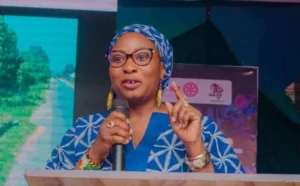
Mangzha, who spoke in commemoration of the Africa Day, described the occasion as a strong reminder of the continent’s identity, resilience and shared future.
NAN reports that Africa Day is observed annually on May 25 to honour the continent’s liberation from colonial rule and promote African unity, cultural diversity and future progress.
She said the day remained significant beyond celebrating Africa’s political history, noting that it also reaffirmed the continent’s identity, creativity and collective aspirations.
According to her, the celebration offers Africans the opportunity to tell their stories through their own voices, perspectives and lived experiences.
“Africa Day is a powerful reminder that our cultural heritage, languages, traditions, music, films and oral histories are among the continent’s greatest assets.
“The African creative community has a major role in shaping how the world sees Africa, not through stereotypes, but through authentic narratives that reflect the diversity, innovation and humanity of African people,” she said.
Mangzha said the occasion should serve as a call to action for creatives, governments, institutions and young people to preserve Africa’s heritage while using storytelling, documentary filmmaking and digital innovation.
This, she said, would promote development, unity and global understanding.
She described culture and documentary filmmaking as vital tools for preserving memory, protecting identity and educating future generations.
According to her, documentary films help showcase the true Africa, defined by innovation, resilience, rich civilisations, cultural diversity, environmental heritage and compelling human stories often overlooked by global media.
“These stories help correct misconceptions about Africa and strengthen cultural diplomacy across the world.
“When African stories are told authentically, they build pride among Africans and deepen global appreciation of the continent’s contribution to humanity,” she said.
Mangzha further described documentary filmmaking as a development tool with strong potential to support education, tourism, environmental awareness, youth engagement and the creative economy.
She stressed the need for increased investment in heritage documentation, community storytelling and digital preservation to safeguard Africa’s cultural future.
The AFIDFF boss, however, identified limited funding and inadequate access to sustainable financing as major challenges confronting African documentary filmmakers.
She also cited inadequate training opportunities, weak archival systems, poor access to technology and insufficient film distribution networks as key barriers affecting the sector.
Mangzha expressed concern over what she described as “narrative control”, saying African stories were often interpreted through external perspectives, which could weaken authenticity and ownership.
“African filmmakers need greater opportunities to lead and shape stories about their own communities,” she said.
She urged governments across the continent to strengthen support for documentary filmmaking through creative industry investments, film funds, cultural policies, film schools and preservation of national archives.
Mangzha also called for incentives for local productions and recognition of documentary films as tools for education, heritage preservation and national development.
She said private organisations, development partners and media institutions also had important roles to play through grants, sponsorships, mentorship programmes, equipment support, co-productions, streaming partnerships and youth-focused creative initiatives.
According to her, stronger public-private collaboration is critical to building a sustainable African documentary ecosystem across the continent.
Mangzha also appealed to African diaspora communities to serve as cultural ambassadors by helping to amplify African stories, traditions, languages and artistic expressions globally.
“Importantly, the diaspora can help bridge Africa with global opportunities by creating partnerships, promoting African content internationally and encouraging younger generations abroad to stay connected to their roots and cultural identity,” she said.(NAN)(www.nannews.ng)
Edited by Funmilayo Adeyemi