







By Charity Nwosu
Farmers in the Federal Capital Territory (FCT) and its environs have expressed mixed feelings over the impact of rainfall patterns and the rising cost of farm inputs on agricultural production.
The farmers spoke in interviews with the News Agency of Nigeria (NAN) on Tuesday in Abuja.
They said that while the early rains had encouraged many of them to begin cultivation, the high cost of seeds, fertilisers, agrochemicals and labour remained a major challenge.
Mrs Blessing Emenike, a vegetable farmer, said the rising cost of fertiliser had forced many farmers to reduce the size of land under cultivation.
“Last year, a bag of fertiliser sold for about N32,000, but this year it is about N50,000 and not everyone can afford it.
“Even seeds have doubled in price compared to what we paid last year.
“All the chemicals we use on the farm are very expensive. If there is any way the government can subsidise them, it will make farming easier for us.
“Some farmers are considering planting fewer hectares because they cannot afford enough fertiliser and chemicals,” she said.
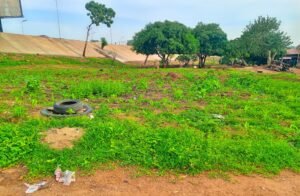
Also speaking, Mr Williams Abalaka, a maize farmer in Dutse Alhaji, said he had commenced planting following the onset of rainfall.
According to him, the rains have been relatively favourable so far, although frequent downpours in some areas have slowed farming activities.
“The rainfall has helped soften the soil and made planting easier. However, there are days when the rains are too heavy, preventing us from going to the farm.
“Erosion is seriously affecting us because of poor drainage systems.
“We are also facing insecurity. Many farmers are afraid of going to their farms because of the fear of kidnapping.
“Nowadays, many people prefer using poultry droppings because they are less expensive than fertiliser.
“Our major concern remains the cost of inputs. Fertilisers and improved seeds are much more expensive than they were last year, making it difficult for small-scale farmers to cultivate larger areas,” he said.
Similarly, Mrs Aisha Abubakar, a rice farmer in Dei-Dei, said she had reduced the size of her farmland due to rising production costs.
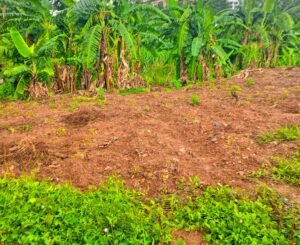
“I have started planting, but not on the scale I originally planned. The prices of fertilisers, herbicides and labour have increased significantly.
“If the government can subsidise inputs and provide accessible loans, farmers will be able to produce more food,” she said.
Mr Abdullahi Suleiman also expressed concern over unpredictable rainfall despite the commencement of planting activities.
According to him, prolonged dry spells between rainfall could affect crop germination and yield.
“Most farmers have started planting because the rains have come. However, we are closely monitoring weather conditions because farming depends largely on rainfall.
“We are hopeful for a good season, but climate-related challenges continue to affect agricultural productivity,” he said.
Mrs Victoria Obadiah said farmers’ preparedness for the season had improved compared to previous years, largely due to increased awareness campaigns and training programmes.
She, however, noted that the rising cost of agricultural inputs could limit productivity if adequate support was not provided.
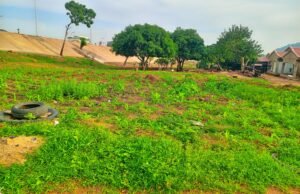
“Many farmers are eager to cultivate more land this year because of the demand for food. Unfortunately, the high cost of inputs is affecting their plans.
“To boost production, there is a need for government intervention through subsidies, improved access to credit facilities and timely distribution of farm inputs,” she said.
Obadiah also emphasised the importance of climate-smart agricultural practices to help farmers adapt to changing weather conditions.
She urged farmers to take advantage of weather forecasts and extension services to improve productivity and minimise losses.
Some farmers also appealed to government and development partners to strengthen support programmes aimed at improving access to quality seeds, fertilisers and modern farming equipment.
They expressed optimism that with favourable weather conditions and adequate support, agricultural production would increase and contribute to improved food availability and affordability across the country.
The farmers stressed that increased food production is possible this season, but rising input costs, insecurity and changing rainfall patterns remain major challenges to a successful harvest.(NAN)(www.nannews.ng)
Edited by Magdalene Ukuedojor