


By Daniel Obaje
The African Polling Institute (API) has called on journalists to use data driven reporting and responsible narratives to promote social cohesion, national unity and inclusive development.
The call was made at a workshop on “Equipping Policy Executives and Media Practitioners as Champions of Social Cohesion’’ organised by the institute with support from the Ford Foundation in Abuja.
Executive Director of API, Prof. Bell Ihua, said journalists remained critical stakeholders in shaping public narratives and fostering peaceful co-existence among Nigerians.
According to him, the media has a responsibility to promote unity, national identity and mutual understanding through accurate and balanced reporting.
“We have not fully tapped into our diversity as a people, the moment we begin to embrace our diversity, we will realise that Nigeria can be much greater than it is today.
“That is why we continue to generate evidence through our annual social cohesion surveys, the data helps us track trends and determine whether government, civil society organisations and other stakeholders are implementing recommendations that can strengthen national unity.”
Ihua said social cohesion could help bridge the widening gap between the privileged and the disadvantaged in society.
He urged policymakers to design inclusive and data-driven public policies capable of delivering tangible benefits to ordinary citizens.
According to him, stronger social safety nets and effective implementation of government interventions are necessary to build trust between citizens and institutions.
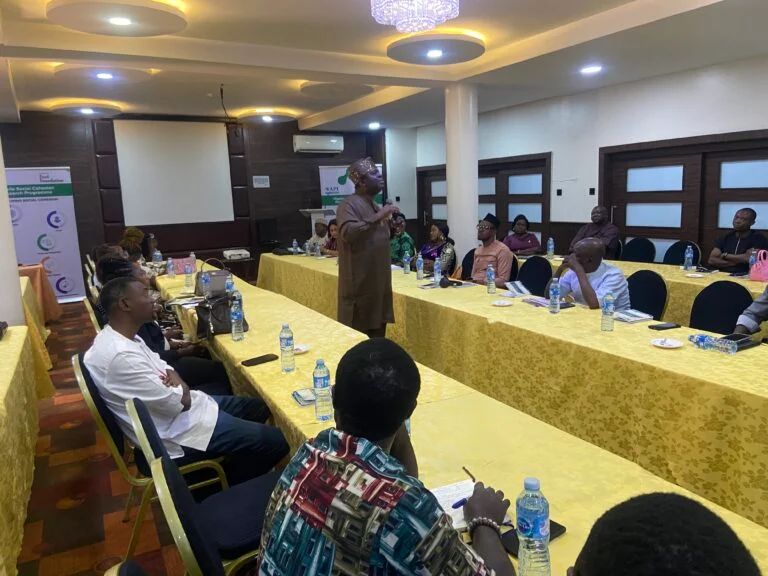
Also speaking, Mr Olusoji Adeniyi, member board of API, urged journalists to avoid stereotypes and divisive labels that could deepen social tensions.
Adeniyi said media practitioners should focus on criminalising unlawful acts rather than profiling ethnic or social groups.
“We need to avoid assumptions that certain ethnic groups are responsible for particular crimes, criminals are criminals.
“We should humanise the process, tell stories from the human angle and ensure our reports contribute to national unity and social cohesion,” he said.
Drawing lessons from Indonesia, Adeniyi stressed the importance of vocational education, skills acquisition and local language instruction in promoting inclusion and national development.
He said equipping young people with practical skills would provide them with opportunities, reduce social exclusion and strengthen their sense of belonging.
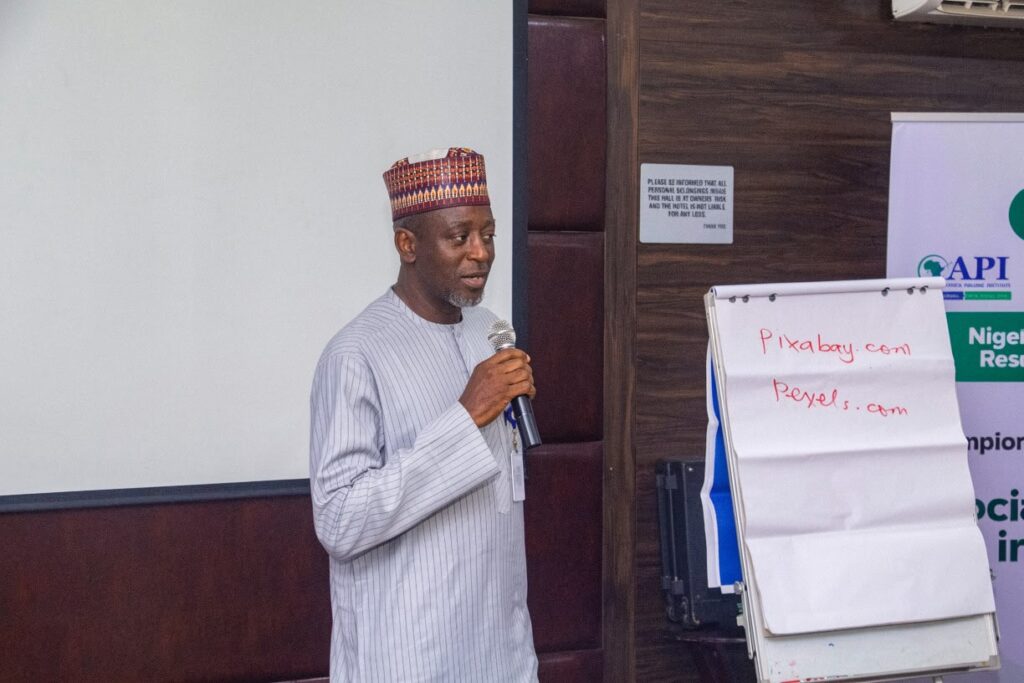
Mr Ismail Abdulaziz, Director of Special Duties and Head of Multimedia at the News Agency of Nigeria (NAN), said the workshop had provided journalists with valuable data that could improve the quality and credibility of news reporting.
According to him, data-backed reporting helps build public trust and enhances the media’s ability to influence positive social change.
“A good way of gaining credibility as media professionals is to use facts supported by statistics.
“When people see that our reports are based on evidence and reliable data, they are more likely to trust the information and act on it.
“The African Polling Institute has made our work easier by providing extensive data that journalists can use to promote social cohesion through their reports,” Abdulaziz said.
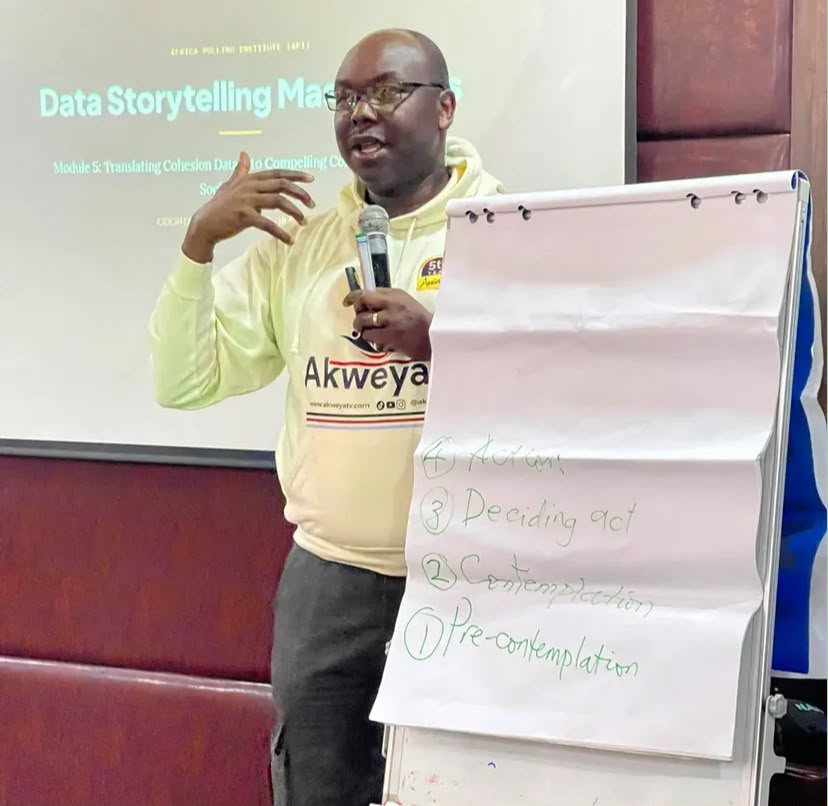
On his part, Mr Odoh Diego, Chief Executive Officer of Akweya Television, called for improved welfare packages for journalists, saying their working conditions directly affect the quality of journalism and public service delivery.
Diego said journalists remained central to shaping public understanding and strengthening national cohesion, but often operate under difficult conditions.
“If journalists are properly taken care of, they can tell more socially cohesive and patriotic stories without worrying about their livelihoods.
“Training is important but we must also pay attention to the welfare of journalists, including insurance, professional support and improved remuneration.
”However, the journalists now have more social media platforms to earn extra money. A personal capacity building is key to keeping up both financially and professionally,” he said.
He also encouraged journalists to expand their professional skills beyond conventional reporting by offering communication, research, analysis and content development services.
According to him, developing additional competencies would improve journalists’ sustainability and increase their contributions to national development.(NAN)
(www.nannews.ng)
Edited by Ismail Abdulaziz


Comments