










By Catherine Egwuom
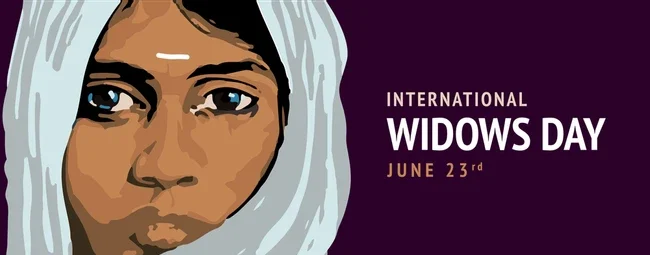
As the world marked International Widows’ Day on June 23, widows in Lagos united to demand stronger social protection, economic empowerment, and an end to the discrimination that undermines their wellbeing.
Speaking with the News Agency of Nigeria (NAN) on Thursday, the women outlined the challenges confronting widows and the measures needed to improve their living conditions.
Many shared that losing a spouse brought not only emotional trauma but also severe financial hardship and the overwhelming responsibility of raising children alone.
Mrs Ngozi Okafor, a widow and petty trader, said meeting daily needs had become difficult since her husband’s death.
“I became the sole provider for my children. Feeding, school fees, and rent now depend entirely on me,” she explained.
Another widow, Mrs Aisha Bello, added that societal attitudes often worsened the pain of bereavement.
“Some people treat widows differently, as if we are a burden. We need respect, not pity,” she stated.
They also identified access to capital as a critical barrier to setting up small and medium sized businesses.
Mrs Funke Adeyemi noted that limited financial resources prevented many widows from starting or expanding businesses.
“Small loans and skills training can help widows become financially independent and support their families,” she said.
Some respondents also highlighted difficulties in accessing inheritance and property belonging to their late spouses in spite of laws protecting widows in Nigeria
Mrs Grace Nwankwo urged authorities to strengthen laws protecting widows from dispossession and harmful traditional practices.
“No widow should lose her home or property because her husband has died,” she insisted.
Also speaking, Mrs Olori Yemisi Jaiyeola, Founder of Serendipity House Widows Foundation, said widows faced multiple challenges: poverty, harmful cultural practices, economic exclusion, insecurity, and inadequate social protection.
The humanitarian expressed concern over the rising number of widows resulting from insecurity, terrorism, insurgency, communal conflicts, kidnapping, and violent crimes across Africa.
She urged African governments to prioritise security, peace-building, and family preservation to reduce this growing crisis.
Jaiyeola advocated for the establishment of national and state widows commissions, stronger protection of inheritance rights, economic empowerment programmes, skills acquisition initiatives, healthcare support, and educational assistance for widows’ children.
However, she admonished widows to shun self-pity and embrace self-development.
International Widows’ Day is observed annually on June 23 to draw attention to the challenges faced by widows worldwide.(NAN)(www.nannews.ng)
Edited by Vivian Ihechu