


By Franca Ofili
The Federal Government has commenced the development of Nigeria’s first National Rehabilitation and Assistive Technology Strategic Plan aimed at strengthening disability-inclusive healthcare and expanding access to rehabilitation services nationwide.
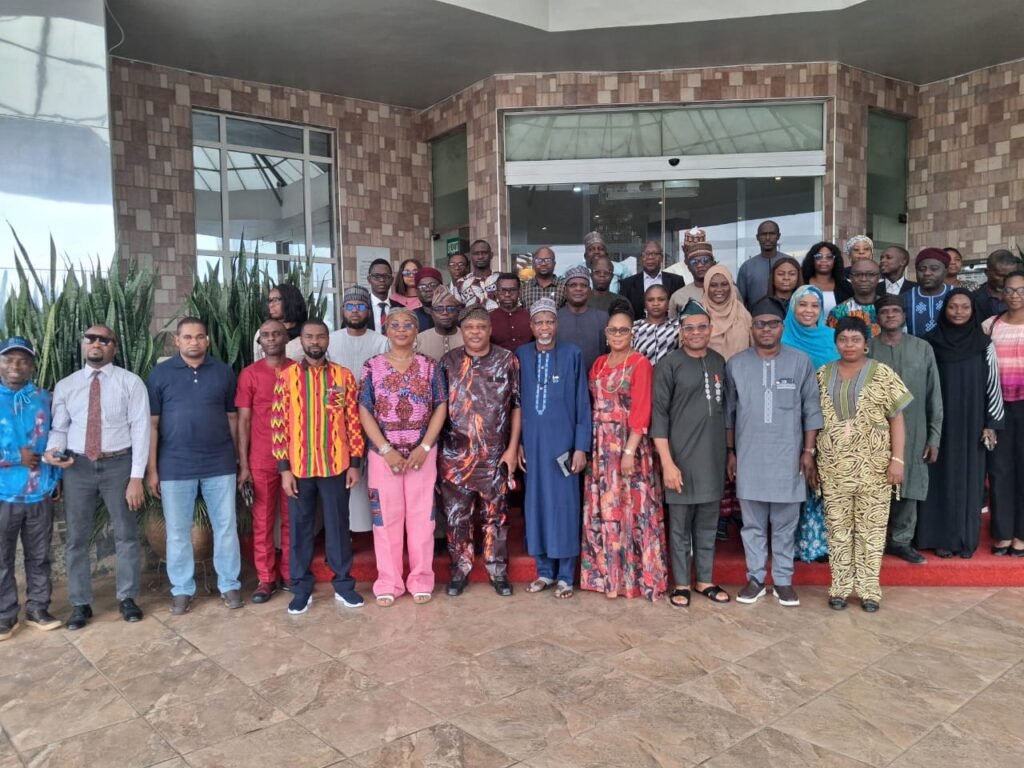
The initiative was unveiled on Tuesday in Abuja during a three-day stakeholders’ zero draft meeting on the proposed national rehabilitation and assistive technology strategic plan.
Speaking at the event, Dr Ahmed Ozi, Director of the Family Health Department, Federal Ministry of Health and Social Welfare, described the exercise as Nigeria’s first coordinated effort on rehabilitation services.
He said the initiative would establish a national framework for rehabilitation and assistive technology in the country.
Ozi said the strategic plan reflected the ministry’s commitment to achieving Universal Health Coverage by ensuring that persons with disabilities had equitable access to healthcare services.
He said that the initiative aligned with the World Health Organization (WHO) guidance on rehabilitation and disability-inclusive healthcare.
According to him, the strategic plan will serve as a roadmap for strengthening rehabilitation services and expanding access to assistive technology across the country.
“Disability can affect anyone at any stage of life. We must therefore promote empathy, protection and support for all citizens requiring rehabilitation services,” he said.
Ozi added that the strategy would guide rehabilitation programmes and strengthen disability-inclusive health policies nationwide.
He acknowledged that the document remained a zero draft and expressed confidence that stakeholders’ contributions would improve its quality and implementation potential.
The director urged participants to provide technical expertise and recommendations to ensure the development of a comprehensive and practical national strategy.
Also speaking, Head of the Georgia Society for Healthcare Engineers (GASHE), Dr Umeh Sunday, said work on the national rehabilitation strategic plan began following the establishment of a Rehabilitation Technical Working Group by the ministry.
Sunday explained that Nigeria previously lacked a federal rehabilitation policy, leaving states without a coordinated national framework for rehabilitation services.
He said the proposed strategy aligned with the WHO Rehabilitation 2030 initiative and the World Health Assembly Rehabilitation Strategy 2025–2035.
According to him, rehabilitation is an essential component of healthcare and should commence whenever patients require such services rather than after complications arise.
Sunday said that the Technical Working Group conducted nationwide situational assessments using WHO guidelines before drafting the strategy.
“Preliminary drafts have been prepared and are undergoing stakeholder review to reflect Nigeria’s rehabilitation priorities and healthcare realities,” he said.
He added that the workshop would further refine the document before endorsement, official inauguration and nationwide implementation.
Sunday urged stakeholders to make meaningful contributions that would strengthen rehabilitation services and improve outcomes for Nigerians requiring such care.
The Regional Rehabilitation Consultant for Africa, Dr Nassib Tawa, said the development of the strategic plan followed nearly two years of preparation and consultations.
Tawa said the strategy was informed by findings from a national situational assessment of rehabilitation services across Nigeria.
“The assessment identified major challenges, including the absence of a national rehabilitation policy and inadequate financing.
“It also revealed infrastructure deficits, limited clinical spaces and shortages of trained rehabilitation professionals nationwide,” he said.
According to Tawa, one in five Nigerians could benefit from rehabilitation services or assistive products.
He said the government would prioritise realistic and achievable interventions within the proposed five-year implementation period.
Tawa explained that the strategic plan would run from 2027 to 2031 and outline national priorities, objectives, vision, mission and implementation targets.
“Five technical task teams will review key workstreams before consolidating recommendations into the final draft.
“The strategy will promote a shared national understanding of quality rehabilitation benefiting every Nigerian requiring such services,” he said.
He added that the plan would strengthen partnerships, improve coordination and expand financing, infrastructure, workforce development and access to assistive technology across the country.(NAN)(www.nannews.ng)
Edited by Abiemwense Moru


Comments