









By Okeoghene Akubuike
The Nigerian Council of Food Science and Technology (NiCFoST)has called for the inclusion of licensed food science and technology professionals in implementing the National Guidelines for Public procurement of Food and Related Services.
This is contained in a statement issued by Ngozi Anyaelezu, Assistant Chief Information Officer, Bureau of Public Procurement (BPP), in Abuja on Wednesday.
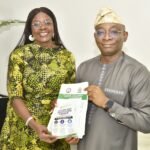
Anyaelezu said the call was the main focus of the courtesy visit by the leadership of NiCFoST to the Bureau.
Meanwhile, the Director-General of BPP, Dr Adebowale Adedokun, while receiving the delegation, commended NiCFoST for its professionalism, patriotism and proactive engagement.
Adedokun said BPP viewed public procurement not merely as a compliance tool but as a strategic enabler of national development, economic growth and public health.
He assured the delegation that the bureau would partner with NiCFoST and carefully review its observations with a view to incorporating relevant inputs into the operationalisation of the national guidelines.
According to him, multi-stakeholder collaboration remained vital to ensuring that public funds delivered optimal value while safeguarding the health and wellbeing of Nigerians.
The BPP boss noted that President Bola Tinubu and the First Lady, Sen. Oluremi Tinubu, were committed to promoting quality assurance in food procurement and encouraging the consumption of safe, healthy and nutritious diets.
He emphasised that the national guidelines, being a product of an Act of Parliament, must be fully implemented and subjected to periodic review.
Earlier, Mrs Veronica Eze, Registrar/Chief Executive Officer of NiCFoST, commended the Federal Government and BPP for the successful unveiling of the National Guidelines for Public Procurement of Food and Related Services.
Eze said NiCFoST, established in 2019, was statutorily mandated to regulate and advance the practice of Food Science and Technology in Nigeria.
She said NICFoST’s review of the guidelines identified critical gap.
“While the guidelines comprehensively address procurement processes and food safety requirements, they do not expressly recognise the role of licensed professionals, specifically trained and regulated, to undertake the food science functions required to meet those safety standards.
“Food must be scientifically and technologically managed across the entire value chain, including processing, preservation, packaging, storage, transportation, preparation and distribution by competent, professionally accountable personnel,” she said.
Eze said procurement procedures determine how food was procured, while food science and technology practice ensures that the food procured was safe, nutritious, wholesome and fit for human consumption.
She, therefore, requested that NiCFoST be recognised and included as a technical stakeholder in the implementation, review and capacity-building activities relating to the guidelines.
Specifically, she urged BPP to promote the registration, licensing and deployment of qualified food science and technology professionals in public food procurement.
She also called for the procurement of food and related services from professionally managed and duly regulated food vendors at the federal, state and local government levels.
Eze further sought BPP’s support in closing existing professional gaps in the food sector.
The visit concluded with a mutual commitment by BPP and NiCFoST to establish a joint technical working framework to ensure seamless compliance, monitoring, and evaluation of food procurement processes nationwide.
The News Agency of Nigeria(NAN) recalls that the BPP unveiled the National Guideline for Public Procurement of Food and Related Services on July 13 to promote healthier diets, improve public health and strengthen governance nationwide.
The guideline provides a practical framework covering procurement planning, bid solicitation, contract award, implementation and contract management to ensure only qualified suppliers provide food-related services.
NAN reports that the guideline was developed in collaboration with the Federal Ministries of Budget and Economic Planning, Health and Social Welfare , Resolve to Save Lives and other key stakeholders.
Edited by Vivian Ihechu