









By Mercy Sawok
The Society for Public Health Professionals of Nigeria (SPHPN) has called for stronger collaboration between public health professionals and lawmakers to create an enabling environment for effective healthcare delivery nationwide.
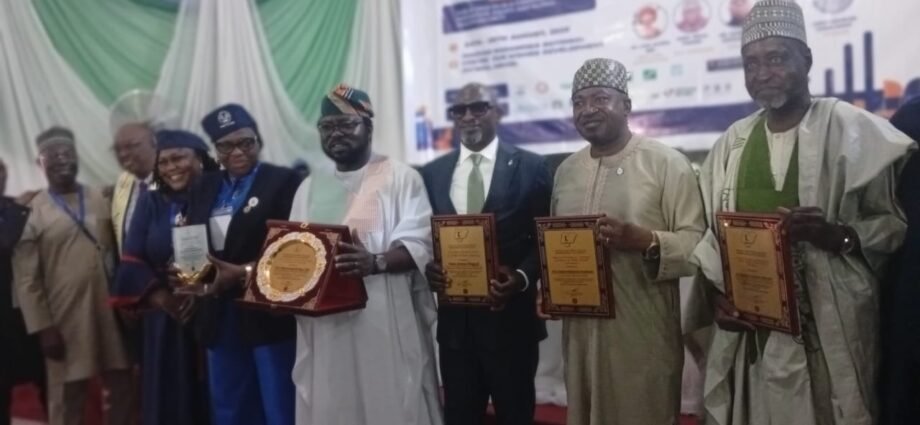
The Secretary-General of SPHPN, Prof. Arinola Joda, made the call in an interview with the News Agency of Nigeria (NAN) during the sixth SPHPN and 37th Professional Association of Public Health Nurses of Nigeria (PAPHNON) Joint Conference in Abuja on Wednesday.
Joda, who is also Chairman of the Scientific Support Committee of the Local Organising Committee, said closer engagement with the National Assembly was necessary because lawmakers made laws guiding healthcare practice.
She said the conference had already commenced consultations with the National Assembly, adding that the engagement was expected to strengthen collaboration between legislators and public health professionals across Nigeria.
According to her, the communiqué to be issued at the end of the conference will contain resolutions, strategies and recommendations aimed at promoting a supportive environment for public health practice.
“We have already intimated some of our prayers, including a closer working relationship between the public health professionals in Nigeria and the National Assembly,” she said.
Joda said the conference, themed “Public Health in a Changing World: Innovation, Equity and Global Health,” was designed to help professionals understand their evolving roles in healthcare delivery.
She said the changing nature of health conditions required continuous evolution and specialisation among healthcare professionals to ensure better outcomes and more effective public health interventions for Nigerians.
“The specialisations are evolving because the conditions, too, are evolving, and each healthcare provider has a specific role to play in the final outcome that a single Nigerian hopes to enjoy when they need our services,” she said.
Speaking on innovation, particularly Artificial Intelligence (AI), Joda said public health professionals must continually acquire new skills to remain relevant in an increasingly dynamic healthcare environment.
She said that AI had the potential to transform healthcare delivery but emphasised that human oversight remained essential in interpreting results and ensuring interventions suited specific communities.
“AI will not replace you as a professional, but your fellow professional that knows how to utilise AI properly will probably replace you if you are not upskilling yourself,” she said.
Joda expressed concern over the migration of nurses and other public health professionals, saying improved working conditions, opportunities and security were essential for retaining skilled personnel in Nigeria.
She said government had a major role in creating conditions that would encourage professionals to remain in the country while exploring ways to benefit from expertise acquired abroad.
She suggested that professionals in the diaspora could periodically return to contribute to training programmes, universities and continuing professional development while supporting health institutions with equipment and resources.
On health inequities, particularly in rural communities, Joda said SPHPN was working to strengthen the public health workforce through training, capacity building and regular professional updates.
She said increasing the number of skilled professionals would improve the possibility of deploying more personnel to underserved communities and enhancing access to quality healthcare services.
Joda also called for greater involvement of policymakers, local governments and Nigerians in the diaspora in efforts to strengthen healthcare services in rural communities nationwide.
She said the society could further support rural communities through public awareness campaigns, health education initiatives and other innovative engagements tailored to local healthcare challenges.
On post-conference actions, Joda said dedicated sessions by the World Health Organisation (WHO) and Africa Centres for Disease Control and Prevention (Africa CDC) would produce recommendations and action plans.
She said the WHO session would focus on deliverables that could be translated into practice across public health disciplines, while Africa CDC would provide updates on activities.
Joda said SPHPN would continue engagements with the two organisations after the conference, adding that the conference communiqué would also be shared with relevant government authorities.
She said the society would engage the media to simplify public health issues and enable Nigerians to better understand their roles in maintaining personal and community health.
“Public health is for all of us.
“It’s not just for the professionals; it’s for the people that have to have a greater understanding of how they can make themselves healthy, keep themselves healthy and how they can own their own health,” she said.
Joda also encouraged public health professionals across Nigeria to join SPHPN, saying the society was open to professionals affiliated with other associations and direct individual membership applicants.
She said interested professionals could obtain further information on membership opportunities, programmes and activities through the society’s official website and communication platforms.(NAN)(www.nannews.ng)
Edited by Abiemwense Moru