


By Edith Tsokar
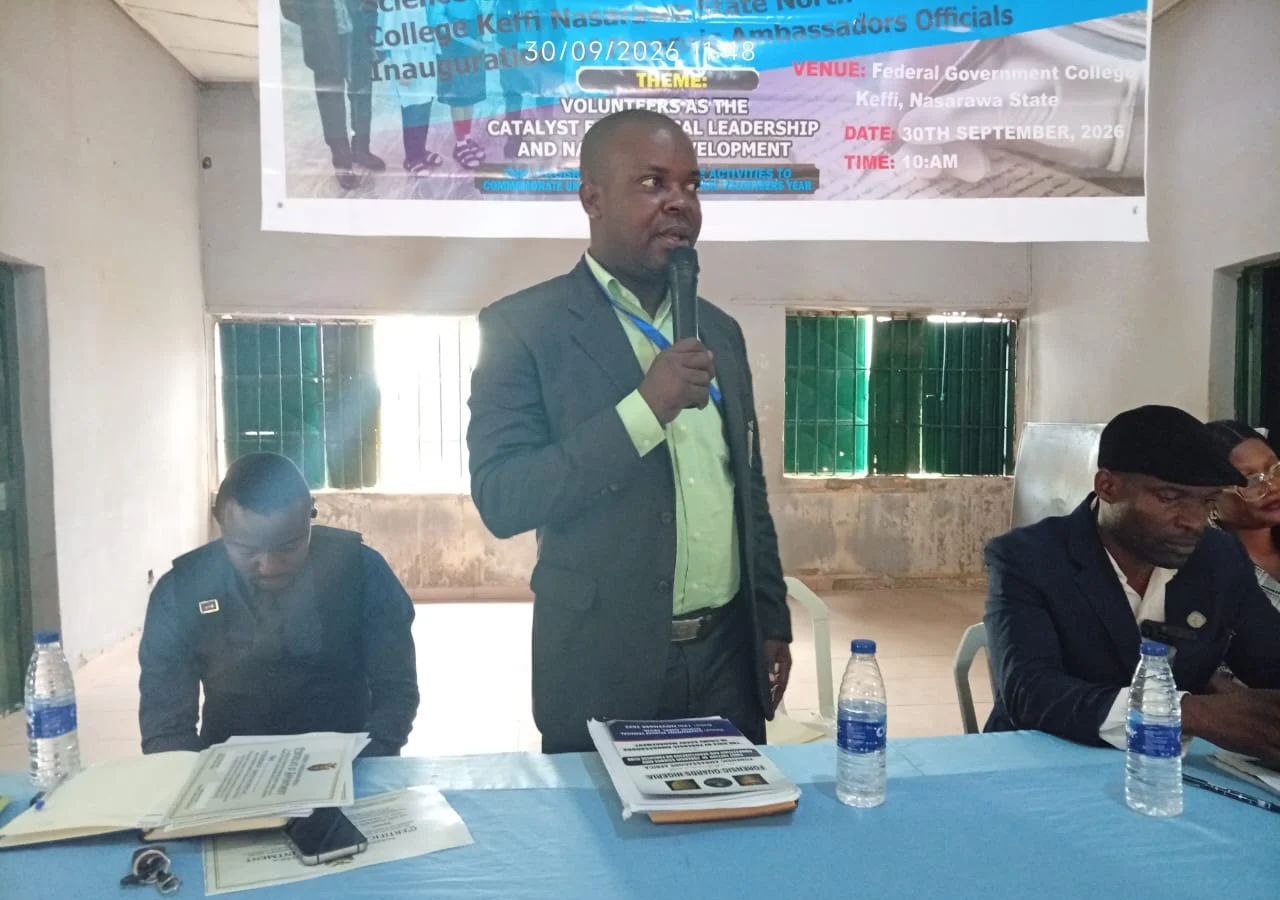
The Federal Ministry of Education has inaugurated a Forensic Science Club at the Federal Government College (FGC), Keffi, Nasarawa, to promote practical science education and crime prevention among students.
Speaking at the inauguration on Wednesday, the Permanent Secretary, Federal Ministry of Education, Dr Folake Olatunji-David, said the initiative would strengthen science education and encourage students to develop critical thinking and investigative skills.
Olatunji-David, represented by Mrs Toyin Omotosho, Chief Education Officer in the ministry, said the club would expose students to specialised fields, including cybersecurity, digital forensics, criminology and biotechnology.
She urged teachers to guide students in applying scientific methods to evidence examination while upholding ethical principles and safety standards.
Also, a legal practitioner and forensic expert, Isaac Akpomoshi, said the initiative would help students understand the importance of scientific evidence in establishing facts and preventing wrongful accusations.
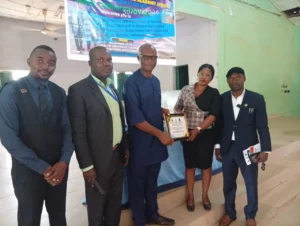
Akpomoshi said the initiative was introduced under a pilot programme of Forensic Guards Nigeria and Forensic Guards Africa.
He said it was designed to expose students to forensic science and its application in criminal and civil investigations.
He said the programme was designed to empower young people with practical knowledge of forensic science and encourage them to contribute to a safer society.
He described the inauguration as a significant step towards introducing students to forensic science, noting that FGC Keffi was privileged to be selected as the North-Central pilot school.
According to him, the initiative would provide students with opportunities to learn about forensic investigations through practical demonstrations and interactive sessions.
He said forensic science was not merely a classroom subject but an important tool for promoting justice and strengthening criminal investigations.
“Forensic science is the application of scientific principles to criminal and civil investigations. It involves the collection, analysis and interpretation of evidence to help solve crimes and resolve legal issues,” he said.
Also speaking, the Legal Adviser, Okpara Orji, expressed concern over cases in which individuals were allegedly convicted without adequate scientific evidence.
Orji stressed the importance of forensic examination in criminal proceedings, saying its application could help investigators establish facts and provide courts with scientific evidence to support the administration of justice.
Orji, who specialises in questioned document and fingerprint examinations, said the club would introduce students to various aspects of forensic investigation, including crime scene examination.
He encouraged students from both science and arts backgrounds to participate in the programme, explaining that forensic science had applications beyond traditional science disciplines.
According to him, knowledge acquired through the club could help students develop critical thinking and analytical skills relevant to their future careers.
He urged the students to take advantage of the initiative, saying the programme would provide opportunities for those interested in pursuing careers in forensic science.
Orji said the club’s motto, “Where evidence speaks, justice prevails,” underscored the importance of relying on facts and scientific evidence in resolving disputes.
He also commended the teachers for supporting the initiative and creating time to participate in the programme in spite of the short notice.
Speaking on “How Students Can Prevent Crime in School”, the Executive Secretary of Forensic Guards Nigeria and Forensic Ambassadors Africa, Amb. Abraham Kwaghfan, stressed the importance of introducing forensic awareness to students at an early age.
Kwaghfan said addressing minor offences in schools could help prevent students from developing criminal behaviour later in life.
He identified examination malpractice, bullying, theft, drug abuse and cybercrime as some of the offences requiring early intervention in schools.
According to him, forensic science could help students understand the importance of evidence, accountability and responsible conduct.
“Every crime leaves a trace, and science will find that trace,” he said.
Kwaghfan also demonstrated crime scene protection and evidence preservation, highlighting the need to prevent contamination during investigations.
The event featured an overview of 25 disciplines of forensic science, providing students with insights into the different fields and their applications.
The initiative also aligns with the United Nations Office on Drugs and Crime’s Education for Justice programme, which promotes education as a tool for preventing crime and strengthening the rule of law.
It further reflects the objectives of the United Nations International Year of Volunteers, with emphasis on encouraging students to contribute positively to their communities.
The establishment of the club is expected to provide students with opportunities for practical learning, scientific exploration and greater awareness of crime prevention. (NAN)
Edited by Funmilayo Adeyemi



Comments