


By Folasade Akpan
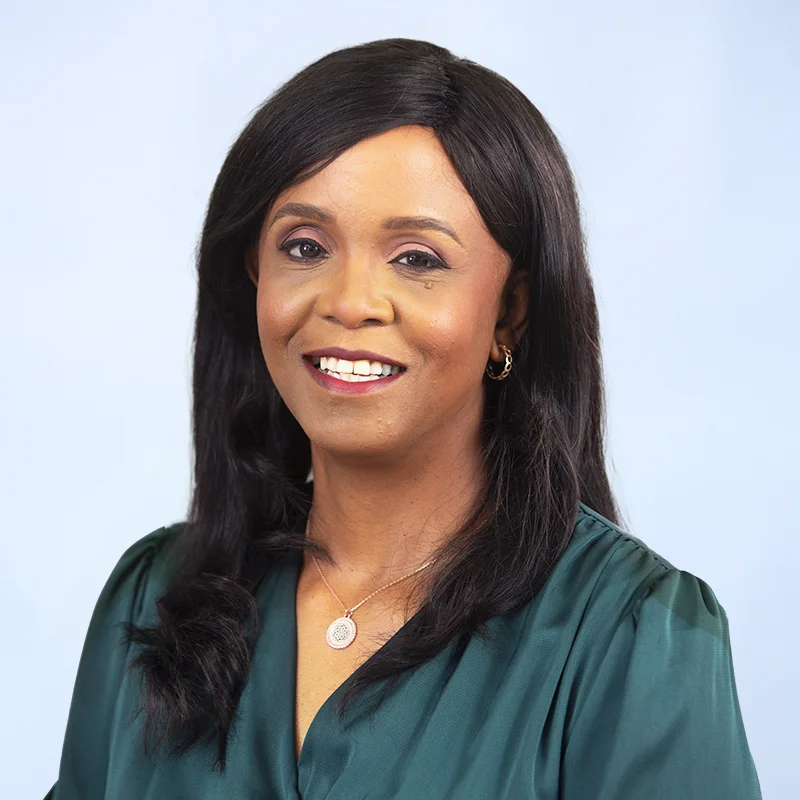
Mrs Vivianne Ihekweazu, Managing Director, Nigeria Health Watch, has urged stronger health financing and locally driven research to reverse the country’s poor health outcomes.
Ihekweazu made the call in an interview with the News Agency of Nigeria (NAN) on Thursday in Abuja, as Nigeria marked its 66th Independence Anniversary.
She said Nigeria continued to record poor outcomes in key health indices, including maternal health, childhood survival and nutrition, in spite of decades of efforts to improve the sector.
According to her, Nigeria must begin to ask how to ensure that the next generation enjoys better health outcomes.
“How are we able to make sure that the next generation of Nigerians, young children, are better nourished? We see that we do not have good outcomes,” she said.
Ihekweazu said the National Health Insurance Authority (NHIA) Act of 2022, which made health insurance mandatory, represented an important step toward achieving Universal Health Coverage (UHC).
She, however, said mandatory health insurance alone would not guarantee access, as many Nigerians might still be unable to afford coverage.
“Even as we have mandatory health insurance, we know that there are many groups of Nigerians who will not be able to pay for health insurance,” she said.
She said mechanisms such as the Vulnerable Group Fund were therefore necessary to ensure that vulnerable Nigerians were not excluded from healthcare.
Ihekweazu said the ultimate objective should be to ensure that Nigerians could access quality healthcare when needed without suffering financial hardship.
“The end goal really is how can we make sure that in 10, 20 years’ time, we are not the country with the highest levels of maternal mortality, childhood mortality, poor immunisation?” she said.
She said achieving the objective required Nigeria to strengthen health financing and invest in research to establish what was working, what was not and why.
Ihekweazu said research could provide evidence on critical health insurance issues, including why some Nigerians did not enroll and why some insured persons failed to renew their coverage.
“How are we able to understand what are the research and learning gaps that could ultimately lead to, for example, more people having health insurance?” she asked.
She said evidence was essential for ensuring that policies designed to improve healthcare were based on a clear understanding of the challenges.
“If we are trying to influence or improve policy, on what basis are we doing that if we don’t have evidence to inform it?” she said.
Ihekweazu also called for greater research sovereignty, saying Nigeria should fund studies based on its priorities and use the findings to inform policies.
“Research sovereignty really means how Nigeria can fund our own research based on our own priorities, and how can we use that evidence to inform policy,” she said.
She said development partners should support Nigeria’s priorities rather than determine the country’s research agenda.
Ihekweazu said declining global assistance made it necessary for Nigeria to rethink how it financed both healthcare and research.
“As a country, we need to really rethink on how we fund our health sector, which also includes how we fund our research,” she said.
She said Nigeria also needed to strengthen research capacity across tertiary institutions and the wider education system.
According to her, a stronger research ecosystem would generate evidence to improve policies and ultimately expand health insurance coverage.
Ihekweazu said improved health outcomes were essential to building a healthier and more productive Nigerian society.(NAN)
Edited by Halima Sheji

Comments