


By Philip Yatai and Jumoke Olaitan
First Lady, Sen. Oluremi Tinubu, has called for concrete action and inclusive policies to improve the welfare of rural women across the country.
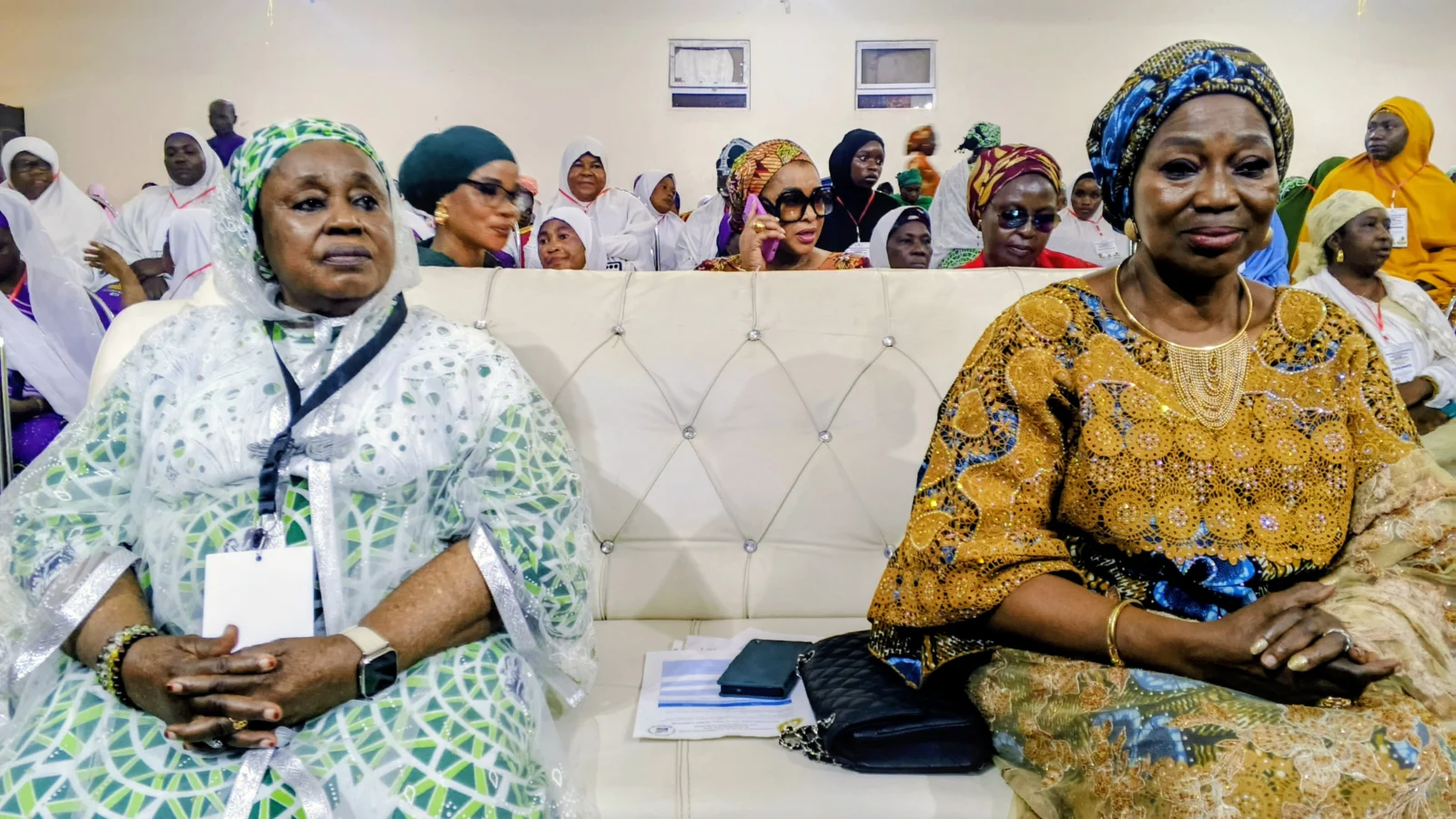
Tinubu made the call at a symposium organised by the Association of Wives of FCT Traditional Rulers (WOFCTTRA) to commemorate the 2026 International Rural Women’s Day in Abuja on Wednesday.
The symposium, organised in collaboration with the FCT Women Affairs Secretariat, has “Harnessing the Influence of Wives of Traditional Rulers to Advance Gender Equity, Peacebuilding, and Sustainable Community Development in Rural Communities of FCT”, as theme.
Represented by the former Women Leader of the All Progressives Congress in FCT, Mrs Hilmary Aipoh, the First Lady commended rural women for their resilience.
She urged WOFCTTRA to turn its influence into action and tradition into a force for inclusion and progress, to help build an FCT where every citizen had the opportunity to thrive.
She also urged them to leverage their societal influence to drive gender equity, economic empowerment, and community peacebuilding, adding that recognising the contributions of rural women must go beyond verbal appreciation.
She said women had played indispensable roles in traditional Nigerian society as farmers, traders, craftswomen, caregivers and community organisers.
“Rural women remain the backbone of local economies and cultural preservation, yet continue to face significant systemic hurdles.
“Many rural women still face barriers to education, healthcare, land ownership, finance, and participation in decision-making.
“Recognising their contributions must translate into greater opportunities, protection, and inclusion,” she said.
The first lady described royal fathers as custodians of culture and cohesion, while stressing that their wives had unmatched grassroots reach.
She urged the royal wives to use their proximity to market associations, women’s groups, and youth to bridge the gap between rural realities and leadership.
“Your influence is a privilege, but it is also a responsibility. You can help your husbands better understand the everyday challenges of the people they serve.
“These challenges range from the mothers struggling to access maternal healthcare, to the farmer facing rising production costs, the girl at risk of dropping out of school, and the young woman seeking capital establishment,” she said.
Tinubu encouraged the wives to champion girls’ education, discourage harmful traditional practices, promote women’s participation in community decisions, and serve as mediators in local disputes to foster lasting peace.
Earlier, Hajiya Hauwa Adamu, Queen of Abaji Chiefdom and President of WOFCTTRA, said that rural women remained the indispensable foundation of national development.
Adamu urged stakeholders to bridge the gap between urban development and rural welfare saying “If you develop the city and forget the village, you have built a house without foundation.
She highlighted the unique position of royal wives as grassroots mediators and healthcare advocates, while also unveiling WOFCTTRA as an ambitious roadmap aimed at directly impacting rural households across the territory.
She called for the establishment of Rural Women Safe Motherhood Clubs across the six area councils and a Palace-Based Peacebuilding Network where rural women could safely report gender-based violence and seek community mediation.
She also called for collaboration with the Renewed Hope Initiative to ensure no rural woman in the FCT was left behind.
Adamu further requested support to establish an official FCT Rural Women Traditional Institution Desk to ensure that voices from royal palaces reach the highest decision-making offices in the country.
She explained that the theme of the symposium reflected the everyday reality of royal palaces, which routinely serve as first-line sanctuaries, conflict resolution centres, and emergency health nodes.
“When a young girl in Kwali says she does not want early marriage but wants school, she runs to the Queen’s palace, not to the police station.
“When there is misunderstanding between husband and wife in Bwari, it is the wife of the chief they call; when a woman bleeds during childbirth in hard-to-reach Abaji, it is we who mobilise the midwife. We are the bridge,” she said.
Also speaking, the Permanent Secretary, FCT Women Affairs Secretariat, Hajiya Asmau Mukhtar, reiterated FCTA’s unwavering commitment to improving the welfare, economic capacity and livelihoods of rural women across the six area councils.
Mukhtar celebrated the invaluable contributions of rural women to agriculture, food security, family welfare, entrepreneurship and community development, promising that no woman would be left behind in the territory’s development drive.
Also speaking, Dr Jumai Ahmadu, President, Helpline Social Support Initiative (HSSI), called for proactive steps to accelerate grassroots development, foster peace, and promote gender equality.
Ahmadu, who was represented by HSSI’s Programme Officer, Mrs Amina Omale, stressed that meaningful national growth must begin from the bottom up. (NAN)
Edited by Funmilayo Adeyemi/Sadiya Hamza
Comments