


By Ijeoma Olorunfemi
The United Nations Educational, Scientific and Cultural Organisation (UNESCO) has urged Nigeria to prioritise safe and inclusive digital literacy.
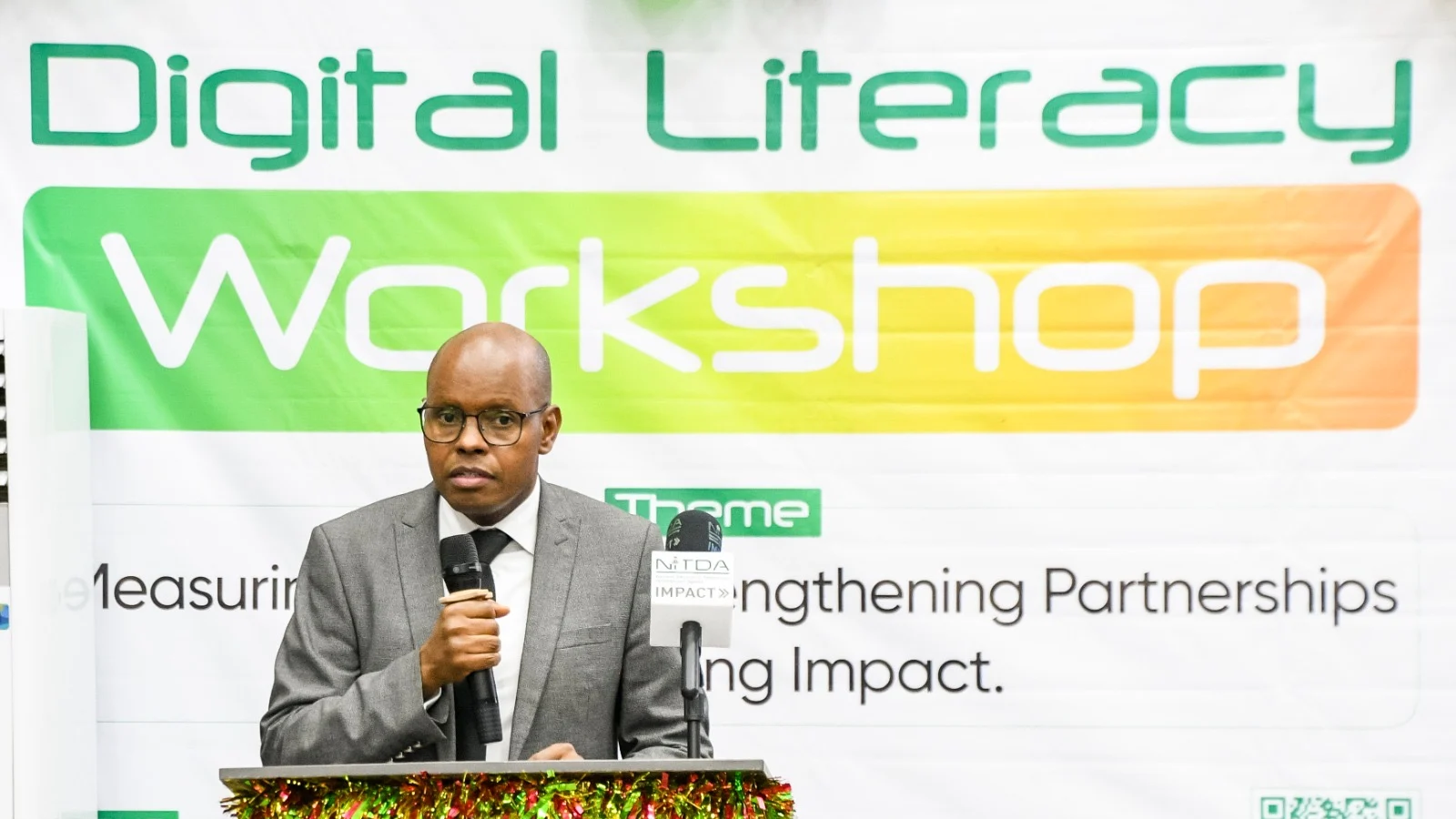
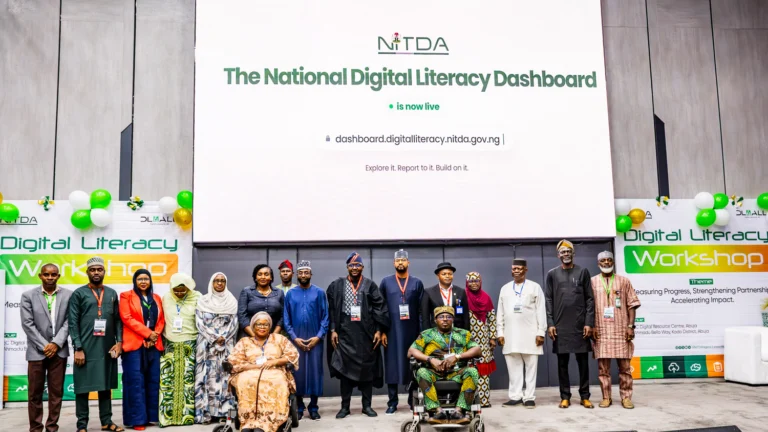
Dr Isaias Barreto da Rosa, UNESCO Representative to Nigeria and Head of Office, made the call at the National Digital Literacy for All (DL4ALL) Workshop organised by the National Information Technology Development Agency (NITDA) on Tuesday in Abuja.
The workshop’s theme was “Measuring Progress, Strengthening Partnerships, Accelerating Impact”, while his presentation focused on digital literacy landscape.
Da Rosa said that according to the International Telecommunication Union (ITU), internet penetration stood at about 41 per cent in Nigeria, compared with 36 per cent across Africa and 74 per cent globally.
He said Nigeria’s performance above the African average was encouraging, but stressed that connectivity alone was insufficient without the ability to use digital tools safely, critically and productively.
“Digital literacy is a development multiplier because it gives access to learning, earnings and participation,” he said.
He explained that digital skills enabled citizens to access online education, pursue training and certification, market products, create businesses and participate in civic activities.
Da Rosa noted that having a successful target of achieving 70 per cent digital literacy by 2027 and 95 per cent by 2030 would be dependent on reaching underserved populations, like rural people, internally displaced persons, women, young people and persons with disabilities.
He identified access, practical competence, online safety, local-language content and inclusion as critical gaps requiring urgent attention.
According to him, barriers such as unaffordable devices, poor connectivity and unreliable electricity continue to limit access, particularly in remote communities.
He said familiarity with smartphones does not necessarily translate into meaningful digital competence, adding that training should focus on practical skills and responsible technology use.
The UNESCO representative also warned about online scams, privacy violations, abuse and other digital threats, particularly those targeting children.
“Digital literacy is not just knowing how to use technology, but also how to use it confidently and safely,” he said.
He called for more digital content in local languages and accessible platforms to ensure that language barriers and disabilities do not exclude people from the benefits of digital transformation.
On Artificial Intelligence (AI), Da Rosa said digital literacy programmes must teach citizens to question AI-generated information, protect personal data and recognise manipulation.
He cited UNESCO’s competency frameworks for teachers and students, as well as its 2021 recommendation on the Ethics of Artificial Intelligence, adopted by all 193 Member States, including Nigeria as part of tools to help for the use of AI.
He warned that AI systems could reproduce societal biases and generate misleading content, including fabricated images, voices and statements.
He therefore stressed the need for critical thinking, media and information literacy in helping citizens verify information, counter disinformation and identify hate speech.
Da Rosa urged Nigerians to verify information before sharing it on social media, noting that AI had made it easier to create and circulate misleading content.
He commended Nigeria’s digital literacy framework, noting that it had some components of UNESCO’s 2018 Digital Literacy Global Framework and other international frameworks, which included inclusivity.
“The success of digital literacy initiatives should be measured not by the number of people trained, but by the skills they acquired and their ability to apply them,” he said.(NAN)
Edited by Deborah Coker
Comments