


By Jumoke Olaitan
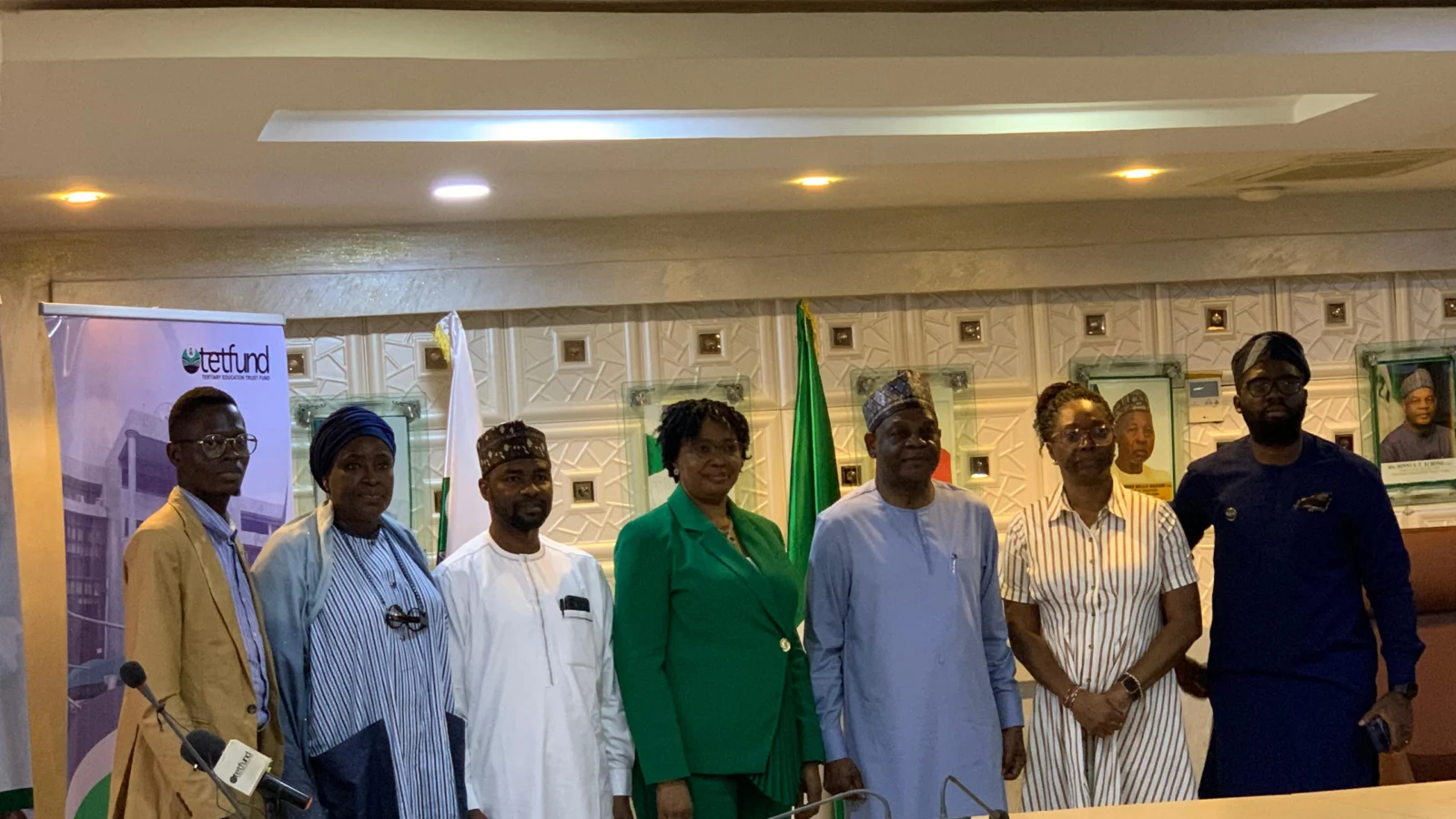
The Tertiary Education Trust Fund (TETFund) has inaugurated a national committee to develop a framework for the establishment of specialised autism centres across Nigeria’s six geopolitical zones.
The Executive Secretary of the fund, Mr Sonny Echono, inaugurated the committee in Abuja on Thursday, and urged the members to develop practical and sustainable recommendations for the proposed centres.
Echono said that the committee is expected to recommend host institutions, standards, costs and monitoring plans for the centres.
He said that when established, the centres would improve autism care, research and family support, while accessing TETFund’s intervention to upgrade medical schools’ facilities and equipment for professional training.
“The proposed centres are expected to provide early diagnosis, developmental assessment, treatment, rehabilitation, research and professional training,” he said.
Echono said the centres would expand access to specialised autism care, adding that funding was being considered under TETFund’s 2027 Special Intervention, subject to necessary approvals.
“The recommendations must be supported by comprehensive needs assessments, realistic cost estimates, appropriate technical specifications, measurable deliverables and credible sustainability plans,” Echono said.
He urged the committee to quickly identify suitable institutions based on facilities, manpower and geographical spread, to guide the 2027 intervention budget.
Responding, the committee’s chairperson and Vice-Chancellor of the University of Medical Sciences, Ondo, Prof. Ebunoluwa Adejuyigbe, described the assignment as an “important step” towards improving autism care in Nigeria.
Adejuyigbe, a paediatrician, said many Nigerian families raising children with autism faced delayed diagnosis because of denial, limited access to specialised services, financial challenges and inadequate professional support.
She said the committee would focus on five key areas: clinical services and early intervention; research and innovation; training and capacity building; community engagement and inclusion; and sustainability and quality assurance.
According to her, the proposed centres should go beyond providing clinical services to promote research, train professionals and improve understanding of autism within the Nigerian and African contexts.
“The centres must serve not only as treatment facilities but also as centres for research, professional training and public education,” she said.
She stressed the need for autism research, specialist training and community partnerships to improve diagnosis and care, adding that sustainable plans were essential to keep the centres operational.
“Sustainability, governance, financing, equipment maintenance, monitoring and evaluation must be incorporated into our recommendations from the beginning,” she said.
Adejuyigbe added that the success of the initiative should be measured by its impact on individuals and families rather than simply the number of centres established.
“Our success must not be measured merely by the number of centres established, but by the number of individuals and families whose lives are positively transformed, the communities reached and the knowledge generated to improve autism care in Nigeria and across Africa,” she said. (NAN)
Edited by Philip Yatai


Comments