


By Felicia Imohimi
The Minister of Livestock Development, Idi Maiha, has called for modern abattoirs across the country to reduce long-distance transportation of live animals and minimise associated losses.
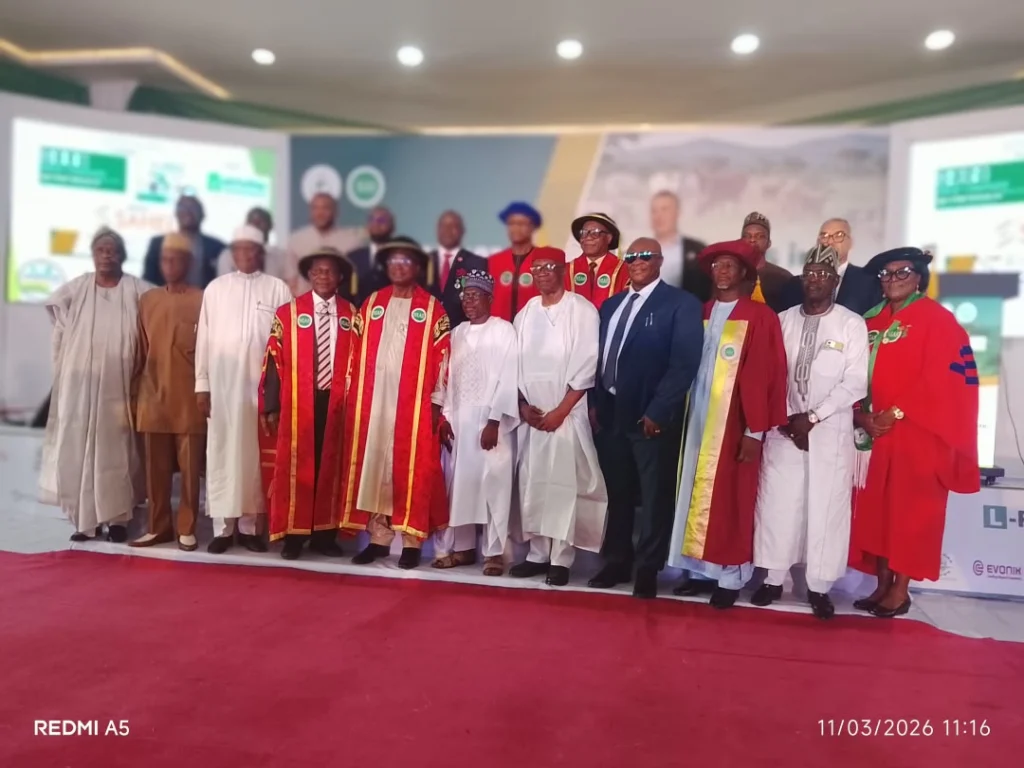
Maiha made the call on Tuesday in Abuja at the opening of the 2026 Animal Science Meeting, themed, “Innovations in Animal Agriculture: A Catalyst for Nigeria’s Non-Oil Economic Development”.
He said transporting animals thousands of kilometres before processing was no longer sustainable, adding that slaughterhouses should be located close to livestock production centres.
“The Federal Government is already establishing standard abattoirs in Edo and Plateau states as part of efforts to transform livestock production and processing,” he said.
Maiha said modern abattoirs would create jobs, improve meat processing and enhance the utilisation of livestock resources.
He said long-distance transportation of live animals resulted in avoidable mortality, road accidents and other losses.
The minister added that processing facilities would enable the recovery of valuable by-products, including blood, bones, hides and hooves, for additional revenue.
He urged Nigeria to adopt modern livestock production and processing practices, citing Brazil’s competitive meat processing industry as a model.
Maiha also called for stronger collaboration among government, researchers, animal scientists and private investors to translate research into practical solutions.
The keynote speaker, Dr Chidozie Anyiro, an agricultural economist with the World Bank, said Nigeria spent an estimated 1.5 billion dollars annually on dairy imports despite its livestock resources.
He said the sector contributed between two and three per cent to Nigeria’s Gross Domestic Product (GDP), while employing about 30 per cent of the rural population.
According to him, livestock contributed less than 10 per cent of agricultural GDP, highlighting its potential for economic growth, employment and wealth creation.
Anyiro said transforming the sector required improvements in animal breeding, feeding, healthcare, financing, processing and marketing.
He identified investment in science, enterprise development and resilient value chains as key drivers of the transformation.
He said research and innovation could improve animal breeds, reproductive technologies, veterinary services, feed development and digital livestock management.
Anyiro also called for better access to finance and markets to commercialise research findings and strengthen livestock production, processing, storage and distribution.
He urged researchers to close the feed gap, improve indigenous breeds, embrace digital innovation and create more opportunities for women and young people.
Anyiro highlighted the World Bank-supported 500-million-dollar Livestock Productivity and Resilience Support (L-PRES) project, being implemented in 29 states to improve productivity, commercialisation and livelihoods.
He urged animal scientists to ensure that research findings reached farmers, processors and other operators across the livestock value chain.
Also speaking, Henrik Stroh, Counsellor for Food and Agriculture at Denmark’s Ministry of Foreign Affairs, reaffirmed his country’s commitment to supporting Nigeria’s livestock development through technical cooperation.
Stroh said Denmark was working with the Federal Ministry of Livestock Development and Nigerian institutions to strengthen animal health, veterinary services, food safety and sustainable livestock production.
He said the partnership also covered food traceability, risk-based inspections, antimicrobial resistance surveillance and sustainable dairy value chains.
Stroh stressed the need for collaboration among governments, research institutions, universities, regulatory agencies and private investors to transform the sector.
Earlier, the President of the Nigerian Institute of Animal Science (NIAS), Chief Simeon Ohwofa, said animal agriculture could become a major driver of Nigeria’s non-oil economic growth.
He said the meeting would address feed and fodder production, value chain development, entrepreneurship, digital technologies and policy frameworks.
Ohwofa urged researchers, industry leaders and development partners to strengthen collaboration and translate scientific breakthroughs into commercial opportunities.
The News Agency of Nigeria (NAN) reports that 277 professionals were registered as animal scientists, while 14 others were inducted as associate animal scientists.
Governors of Adamawa, Jigawa, Bauchi and Kwara received honorary awards for establishing livestock development ministries in their respective states.
The meeting brought together animal scientists, researchers, livestock producers, policymakers and development partners to discuss strategies for modernising Nigeria’s livestock industry. (NAN)
FUA/TAK
Edited by Tosin Kolade


Comments