


By Tosin Kolade
The Federal Government has urged private sector organisations to support efforts to end open defecation in Nigeria through their Corporate Social Responsibility (CSR) programmes.
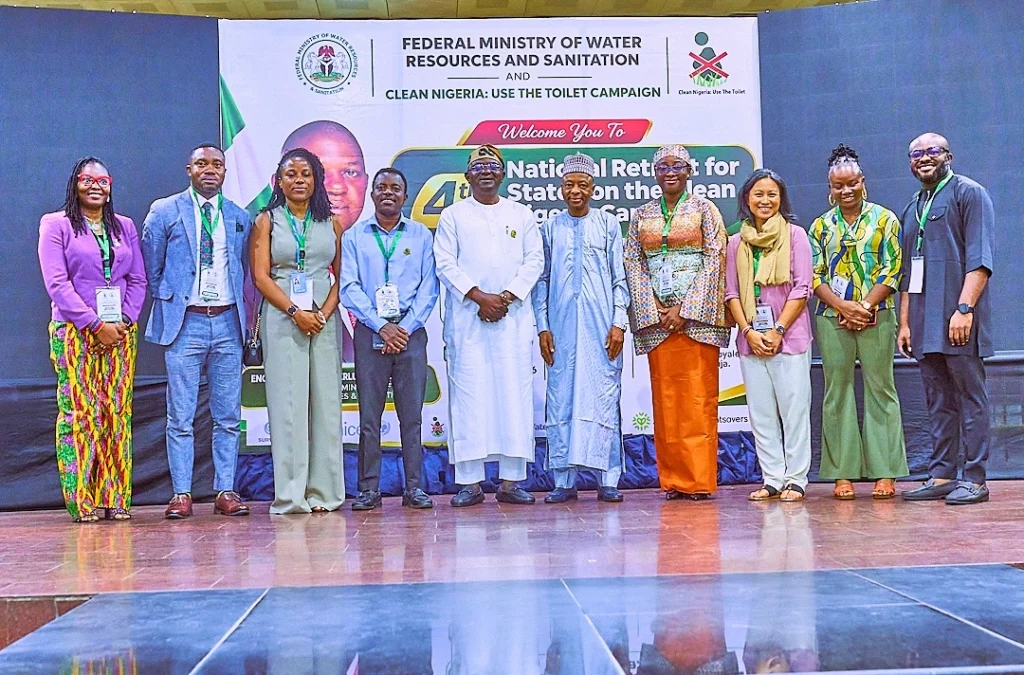
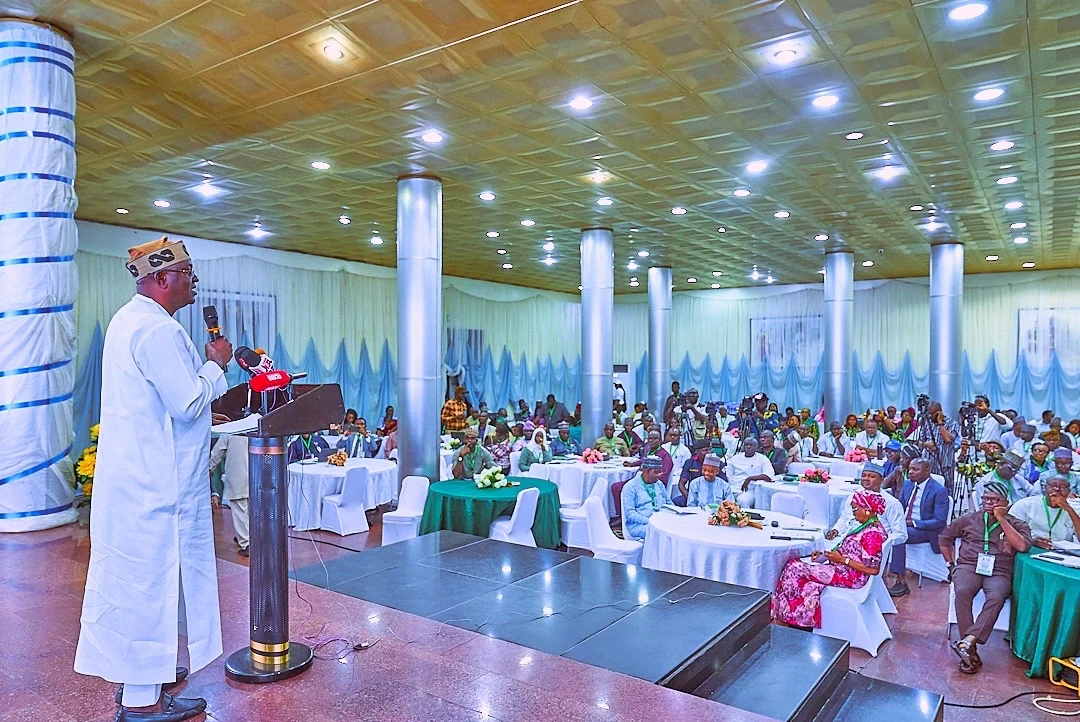
The Minister of Water Resources and Sanitation, Prof. Joseph Utsev, made the call at the 6th National Retreat for States on the Clean Nigeria Campaign (CNC) in Abuja on Tuesday.
The retreat has the theme: ‘Accelerating and Sustaining Progress: Financing, Data and Systems for an ODF Nigeria’.
Utsev said sustainable sanitation required stronger collaboration among the Federal, State and Local Governments, development partners, civil society organisations and the private sector.
He said government resources alone were insufficient to address the country’s sanitation challenges, urging businesses to complement public funding through strategic partnerships and investments.
The minister also called on all tiers of government to make deliberate budgetary provisions for sanitation, emphasising that the sector should not depend solely on occasional interventions or development partner support.
He identified financing, reliable data and institutional strengthening as three critical priorities for accelerating progress and sustaining open defecation-free (ODF) achievements.
Utsev said 185 Local Government Areas (LGAs) had attained ODF status since the inauguration of the Clean Nigeria Campaign in November 2019.
He, however, said the achievement remained below expectations, adding that the government was working to accelerate progress and exceed 400 ODF LGAs by 2027.
The minister said President Bola Tinubu had signed the Executive Order on Open Defecation-Free Nigeria to strengthen the policy and institutional framework for achieving the target.
Utsev urged state governments, relevant institutions, development partners and civil society organisations to familiarise themselves with the provisions of the order and translate them into practical actions.
He also called for stronger monitoring and accountability, noting that the focus should not be limited to toilet construction but should include the proper use and maintenance of sanitation facilities.
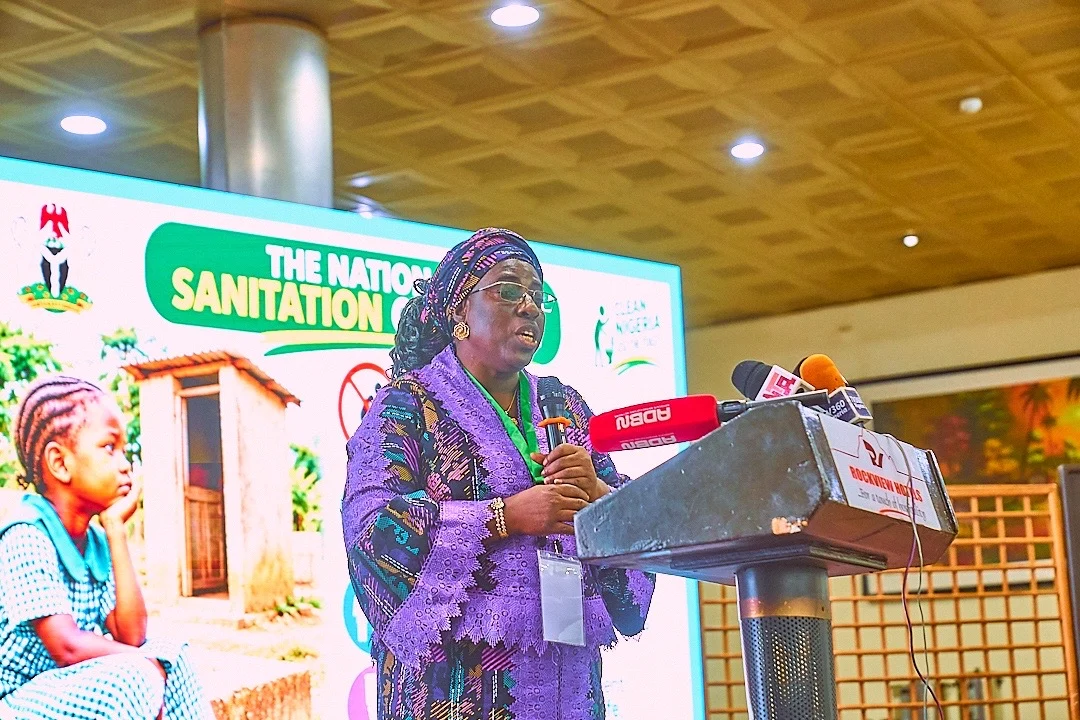
Earlier, the National Coordinator of the Clean Nigeria Campaign, Mrs Chizoma Opara, also called for increased private sector participation, particularly through CSR initiatives and innovative financing arrangements.
Opara said inadequate and unpredictable financing, household poverty and affordability barriers remained major challenges to achieving the country’s ODF targets.
She said Nigeria had targeted 172 ODF LGAs by December 2025 but achieved 162, falling short of the target by 10.
According to her, the 2026 target is 234 LGAs, against which 185 have so far attained the status, while the 2027 target is at least 318 LGAs.
She said the figures showed that the country was not progressing at the pace required to achieve its sanitation targets.
Opara identified the campaign’s six strategic pillars as an enabling environment, public financing, service delivery, ministerial leadership and advocacy, monitoring and evaluation, and effective coordination.
She said the campaign was targeting at least 300 ODF LGAs by 2027 and at least three additional states achieving ODF status.
The coordinator listed Kano, Benue and Bauchi among the states being supported to accelerate progress, adding that Sokoto was also making progress.
The Country Director of Self Help Africa, Mrs Joy Aderele, commended the Federal Ministry of Water Resources and Sanitation and the Clean Nigeria Campaign Secretariat for their leadership and continued commitment to improving sanitation.
Aderele said the campaign had provided an important platform for coordinating government and non-state actors through advocacy, stakeholder engagement, environmental education and community mobilisation.
She, however, emphasised that achieving ODF status was not enough without measures to sustain the gains and prevent communities from returning to open defecation.
She called for stronger community monitoring and institutional accountability, urging stakeholders to use the retreat to share experiences, challenges and practical solutions.
Also, UNICEF’s WASH Manager, Ms Jolly Maulit, said Nigeria had made progress since inaugurating the Clean Nigeria Campaign in 2019, with Jigawa becoming the first state to achieve statewide ODF status in 2022 and Katsina following in 2025.
Maulit said the revised National ODF Roadmap, completed in 2025 and recently gazetted, provided further direction for improving sanitation and accelerating progress towards the 2030 target.
She called for reliable performance data to help identify areas requiring support and improve the tracking of progress across states and local governments.
The UNICEF official also urged governments to integrate sanitation into their policies, budgets and dedicated financing mechanisms rather than relying solely on development partner-supported projects.
She said sustainable sanitation financing should involve government budgets, development finance, private sector investment and financial sector partners.
Similarly, the World Health Organisation (WHO) Representative, Dr Edwin Isotu-Edeh, said a large proportion of Nigeria’s population still practised open defecation, leaving affected communities vulnerable to cholera and other diseases of public health concern.
Isotu-Edeh said sanitation should become a way of life through sustained behavioural change and a culture of cleanliness in homes, institutions and communities.
He identified the gap between awareness and actual behavioural change as a major challenge, noting that knowledge about hygiene did not always translate into consistent practices.
 The WHO representative called for improved access to handwashing facilities and sustained hygiene promotion as part of the Clean Nigeria Campaign.
He also urged a coordinated, multi-sectoral approach involving the ministries responsible for water resources, health and environment, stressing that sanitation was not only a WASH and public health concern but also an economic issue.
Meanwhile, the General Manager of the FCT Rural Water Supply and Sanitation Agency (RUWASSA), Dr Joyce Echoke, said more than 300 communities in Kwali Area Council had been certified ODF and submitted for national-level validation.
She said the FCT was working towards achieving statewide ODF status by 2027, expressing optimism that the target could be attained through collective commitment and stakeholder support.
The RUWASSA general manager said the agency’s next priority was to intensify public education and advocacy to ensure that residents used available toilets properly.
She observed that some residents continued to practise open defecation even where toilet facilities were available, underscoring the need for sustained sensitisation and behavioural change.
Speaking on behalf of state commissioners responsible for water resources, environment and sanitation, Mr Samuel Akange, who represented Benue State Commissioner Mr Odo Ogwu, said states were central to implementing national sanitation policies.
Akange said states would strengthen their State Task Groups on Sanitation and provide the political commitment and budgetary support required to drive the campaign.
He also called for stronger Community-Led Total Sanitation interventions to ensure that no community was left behind.
The Clean Nigeria Campaign was inaugurated in November 2019 to mobilise Nigerians towards ending open defecation and improving sanitation practices nationwide.(NAN)
Edited by Abiemwense Moru
Comments