


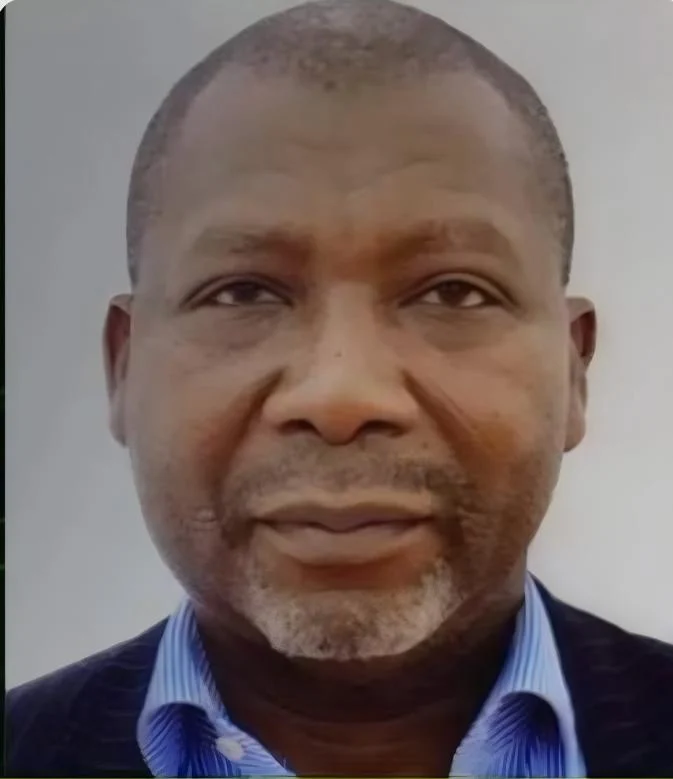
By Lilian U. Okoro
The Nigerian Academy of Neurological Surgeons (NANS) has called for expanded health insurance coverage, improved funding and modern equipment to make neurosurgical services more accessible.
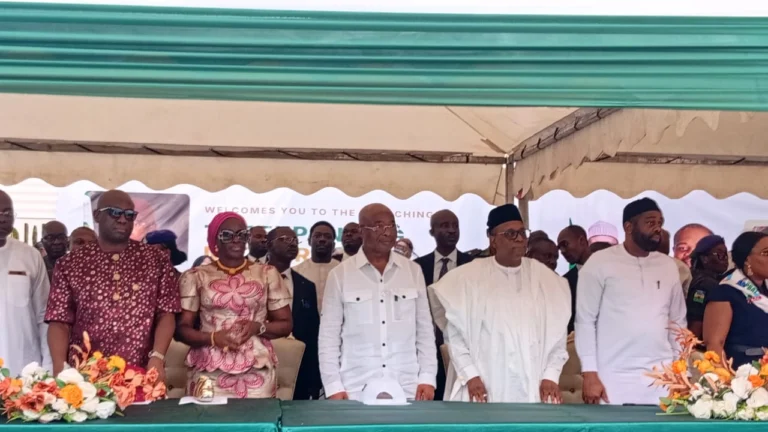
Its President, Prof. Nasiru Ismail, made the call on Thursday at the academy’s 16th Scientific Conference and Annual General Meeting in Lagos.
The News Agency of Nigeria (NAN) reports that the four-day conference, which began on Wednesday, has the theme: ‘Neurosurgery Beyond Boundaries: Expanding Access and Advancing Excellence.’
Ismail advocated extending health insurance coverage to emergency neurotrauma, hydrocephalus, spina bifida and essential neuro-oncology procedures to reduce out-of-pocket expenditure.
He identified brain drain, inadequate equipment, high treatment costs and unequal distribution of specialist centres as major challenges confronting neurosurgical practice in Nigeria.
He also advocated establishing well-equipped neurosurgical and neuroimaging centres across the six geopolitical zones, particularly in the underserved North-East.
“Expanding access means ensuring that timely, life-saving neurosurgical care reaches underserved communities across every region of our nation,” he said.
Ismail called for better remuneration and working conditions to retain specialists, while encouraging Nigerian neurosurgeons abroad to contribute through surgical missions and residency training.
He said the conference would explore how subspecialisation, digital health, regional collaboration and sustainable healthcare financing could improve access to quality neurosurgical services.
According to him, the academy has recorded significant progress in residency training, infrastructure advocacy and international partnerships since its establishment in 2006.
Ismail recalled that modern neurosurgery began in Nigeria in 1962 when Prof. Latunde Odeku established the first neurosurgical unit at the University College Hospital, Ibadan.
He said the specialty had expanded considerably, with more training centres and improved capabilities in endoscopic skull-base surgery, microsurgical tumour removal and complex spinal procedures.
“Advancing excellence means upholding the highest clinical, ethical and academic standards while innovating within our local realities,” he said.
Ismail urged participants to strengthen professional collaboration, exchange knowledge and develop practical solutions to challenges confronting neurosurgical care in Nigeria.
Also speaking, the Chairman of the Local Organising Committee, Dr Omotayo Ojo, said Nigeria had recorded significant advances in neurosurgical practice.
Ojo, a consultant neurosurgeon at the Lagos University Teaching Hospital (LUTH), recalled that Nigeria had very few neurosurgeons 16 years ago.
He said available services at the time were largely limited to basic procedures involving infections and trauma.
“However, 16 years later, we have reached a point where we can perform virtually all the neurosurgical procedures being carried out elsewhere in the world,” he said.
Ojo said the conference sought to promote specialisation, safer and more affordable surgical procedures, and equitable access to neurosurgical services. (NAN)
==========
Edited by Kamal Tayo Oropo


Comments