


















Airstrikes
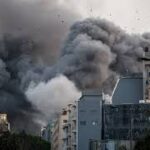
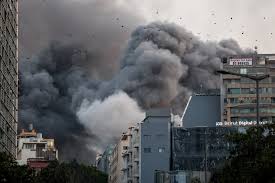
Airstrikes on Wednesday struck central Beirut, causing heavy casualties and widespread panic, as Israeli attacks in Lebanon continued in spite of the newly announced ceasefire between the U.S. and Iran.
According to a medical source, a “high number of casualties” were recorded following some of the fiercest strikes on the Lebanese capital since the latest escalation between Israel and the Iran-backed Hezbollah militia.
Residents were seen fleeing through the streets in search of shelter as explosions hit without prior warning, a reporter on the ground said.
Hospitals in Beirut have issued urgent appeals for blood donations as emergency services struggled to cope with the influx of the wounded.
The situation was described by medical personnel as comparable to the 2024 wave of attacks targeting Hezbollah’s electronic infrastructure, which left thousands injured.
The strikes triggered severe traffic congestion across parts of the city, with many residents attempting to flee amid fears of further bombardment.
The escalation came just hours after Washington and Tehran agreed to a two-week ceasefire and a temporary reopening of the Strait of Hormuz, in a deal aimed at preventing a broader regional conflict.
The agreement, brokered by Pakistan, has been welcomed internationally, though its scope remains limited.
Israeli officials clarified that the ceasefire applies only to Iranian targets.
Prime Minister Benjamin Netanyahu stated that Lebanon was not covered by the agreement, raising concerns that hostilities there would continue unabated.
A Lebanese government official confirmed that Beirut has not received any formal communication indicating that the ceasefire extends to Lebanese territory.
Meanwhile, the Israeli military issued a fresh evacuation warnings to residents in the southern port city of Tyre, as well as in parts of Beirut’s southern suburbs, areas known to have a strong Hezbollah presence.
The Lebanese army also urged civilians not to return to southern regions, warning that ongoing military operations could place them at risk.
“In light of regional developments and reports about a ceasefire, the army urges citizens to wait before returning to southern villages and towns.’’
The military said in a statement, advising them to avoid areas where Israeli forces have advanced.
In spite of these warnings, many displaced families began heading south, crowding highways with vehicles loaded with mattresses and personal belongings.
“We want to go back to our homes. We cannot remain displaced in schools.
“Iran and the world should help us,” one woman said as she travelled toward southern Lebanon.
The developments underscore growing fears that, in spite of diplomatic efforts to contain the conflict, violence in Lebanon may continue even as tensions between the U.S. and Iran temporarily ease. (dpa/NAN)(www.nannews.ng)
Edited by Cecilia Odey/Halima Sheji