












By Isaac Aregbesola
The Managing Director of the News Agency of Nigeria (NAN), Malam Ali Muhammad Ali, says journalists have a crucial role to play in the nation’s fight against corruption.
Ali made this known in a goodwill message at a one-day workshop organised by the Independent Corrupt Practices and Other Related Offences Commission (ICPC) with the Nigerian Union of Journalists (NUJ) in Abuja on Thursday.
The managing director was represented by his Special Assistant on Editorial Matters, Mr Ephraims Sheyin.
The event brought together senior journalists, NUJ chairmen from across the nation, and other media stakeholders.
Ali commended ICPC for selecting a theme that highlighted journalists’ importance in the anti-corruption crusade, describing it as recognition of their strategic position in tackling corruption nationwide.
The theme, “Reinvigorating the National Anti-Corruption Strategy (2022-2026): A Post-Assessment Roadmap for the Fourth Estate,” seeks to explore how journalists can drive the anti-corruption agenda.
The managing director noted that corruption remained a major challenge in Nigeria, citing Transparency International’s 2024 and 2025 indices, which ranked the country 140th and 142nd out of 180 nations, respectively.
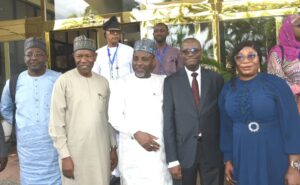
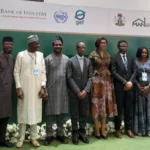
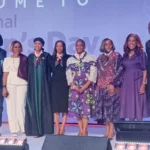
Special Assistant on Editorial Matters to the Managing Director News Agency of Nigeria (NAN), Mr Ephraims Sheyin (1st left); The Chairman of the Independent Corrupt Practices and Other Related Offences Commission (ICPC), Dr Musa Aliyu, SAN, (4th left) and others at a one-day workshop organised by ICPC with the Nigerian Union of Journalists (NUJ) in Abuja on Thursday.
He said journalists were well-positioned to tackle corruption, given their constitutional role and history of investigative reporting, but stressed challenges they faced, including inadequate whistleblower protections and threats of personal harm.
Ali also highlighted systemic obstacles, such as restricted access to information by some government institutions, which hindered journalists from effectively exposing corruption and holding culprits accountable.
“Within the industry, self-censorship is a recurring dilemma for editors and media managers.
“Navigating these landmines will determine the success of the anti-corruption crusade,” he said.
He expressed optimism that the workshop would produce a national consensus on how journalists could collaborate with anti-corruption agencies to strengthen accountability and transparency.
Ali commended ICPC for its proactive efforts to tackle corruption across sectors, including oil, public procurement, and nepotism, urging journalists to persist in spite of challenges.
The Director-General of the National Television Authority (NTA), Salihu Dembos, in a goodwill message, pledged support for ICPC’s anti-corruption initiatives, represented by Director of News, Halima Musa.
He emphasised the media’s role in preventing societal ills, including corruption, noting that NTA would sustain its anti-corruption drive through programmes engaging stakeholders and sensitising Nigerians.
Dembos added that NTA had been partnering with ICPC, transmitting weekly programmes and facilitating discussions to promote a corruption-free public service.
NAN reports that the event aims to form a roadmap for journalists to effectively work with anti-corruption agencies, underscoring the importance of a free and independent media in promoting transparency.
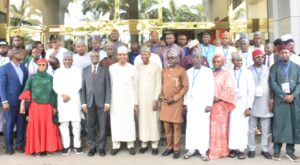
Also speaking Director-General of VON, Jibrin Ndace pledged the agency’s collaboration with anti-corruption institutions to amplify messages promoting transparency and accountability both within Nigeria and internationally.
Ndace said that VON remained a dependable partner of ICPC in advancing the anti-corruption agenda and fostering a culture of integrity.
He highlighted the VON’s multilingual broadcasting capabilities, offering the platform to stakeholders, urged them to leverage the agency and other public media institutions, funded by taxpayers, to promote accountability.
On his part, the President of the Nigerian Union of Journalists (NUJ), Dr Kole Shettima, described the forum as a critical step toward confronting one of Nigeria’s most persistent challenges and advancing transparency in governance.
Shettima noted with concern that corruption continues to undermine national development by weakening institutions and eroding public trust, stressing that addressing the problem requires collective responsibility and sustained cross-sector cooperation.
He called for a shift beyond rhetoric to measurable cooperation that fosters a culture of integrity and restores public confidence, expressing optimism that sustained partnership between the media and anti-corruption agencies would strengthen systems that deter corruption and promote good governance.(NAN)(nannews.ng)
========
Edited by Abiemwense Moru