


How the Sports Nutrition Industry Is Developing
The sports nutrition industry has come a long way from protein shakes and bars aimed at top athletes. Nowadays, regular gym-goers, endurance athletes, and health-oriented consumers represent the biggest part of the industry’s growth. Analysts claim that global sales will rise considerably during the early 2030s owing to the increase in fitness activity and awareness of people. These changes affect all aspects of product development, promotion, and delivery. Read more in this article about what awaits in store for this rapidly evolving industry.
Customized Plans Are Transforming Product Development
Nowadays, generic supplement formulas lose relevance to customized nutrition plans. Companies utilize biometric data, lifestyle factors, and even genetic data to create customized nutrition strategies depending on training and recovery goals. This attracts customers who are interested in results rather than one-size-fits-all products. At the moment, wearable devices play an important role in measuring real-time hydration and nutrient levels.
These devices allow athletes to make necessary corrections to their intake according to the training session. Although the current generation of fitness fans tracks their recovery statistics using applications, adults can also visit MelBet APK to place bets on future championship games. This practice reflects the growing tendency of combining entertainment with physical activity within online routines. This kind of precision resembles tendencies characteristic of other data-driven consumer categories, where mobile apps have become the main tool of routine management. Fitness fans expect nutrition companies to provide mobile applications for tracking their achievements and replenishing their supply of supplements.
Increasing Popularity of Plant-Based and Clean Label Products
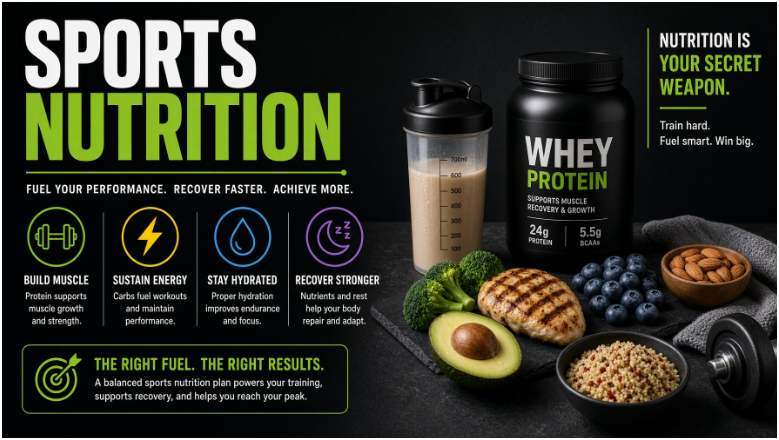
Consumers’ increased demand for transparency has caused many companies to produce products based on plants and with the minimum number of ingredients. Nowadays, customers tend to look at the list of ingredients, searching for unnecessary additives and dubious information concerning the source of production. This has led many companies to modify their products, substituting whey with pea, rice, or hemp protein. Clean-label positioning has turned into a competitive advantage rather than a marketing niche.
This desire for transparency is typical for other consumer categories apart from supplements. Customers are looking for immediate information to estimate the advantages and disadvantages of certain products before buying and spending time on them. Whereas health-oriented customers check the composition of products to achieve a good daily performance, sports fans can analyze statistics and odds for the Gates of Olympus slot game or a football match. Analysis of odds and volatility of the sports event requires the same skills as analysis of the formula of dietary products and their nutritional value.
Functional Ingredients Shift Away From Muscle Recovery
The current sports nutrition landscape includes an ever-increasing array of cognitive enhancers and joint protectors on top of traditional physical benefits. As such, ingredients such as adaptogens, nootropics, and collagen peptides became more popular as a means of achieving both a performance boost and general well-being. Thus, one can observe the development of the market and the expansion of its capabilities.
Moreover, the market has been trying to address a change in the demographic of the customers. The rising demand from older people wanting to preserve muscle mass and flexibility has been seen and responded to by introducing the notion of “active aging.” Such products have been successfully added to the already existing line-up of pre- and post-workout formulas.
Different Formats and Channels Have Emerged
Consumers today are expecting more convenient products and purchasing processes for the sports nutrition market. Such formats as ready-to-mix drinks, gummies, and packets emerged in addition to classic powder and capsules. Moreover, the trend towards online sales via e-commerce and subscription models continues to develop while taking market share away from traditional retailers.
The table below summarizes the differences in the distribution channels.
| Distribution Factor | Traditional Retail | Direct-to-Consumer / E-commerce |
| Product discovery | In-store browsing, shelf placement | Social media, influencer content, search |
| Purchase frequency | One-time or occasional | Subscription-based, recurring |
| Personalization | Limited, standardized formulas | Data-driven, customized plans |
| Entry barrier for new brands | High, requires retail partnerships | Lower, direct website or app sales |
Such changes have not only affected the channels where the products are being sold but also the way of brand-customer interactions.
Regulatory Scrutiny and Product Safety Are Rising
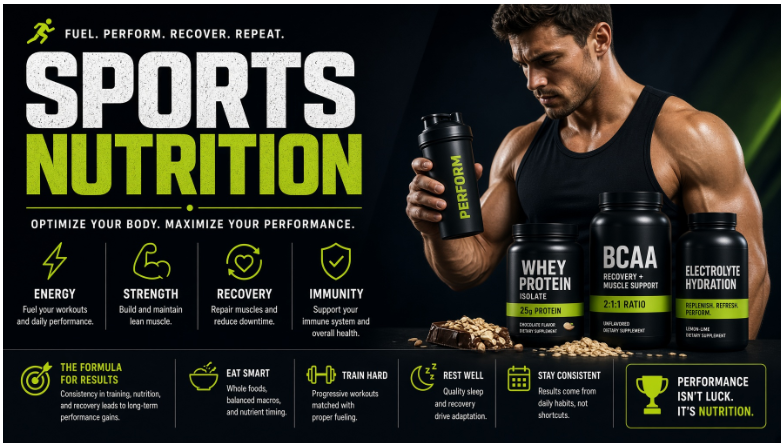
With the increasing popularity, the supplement companies face additional scrutiny from regulatory authorities and third-party organizations that verify the safety of the products. Being a supplement and not a drug, the items in question are not verified before release. Therefore, the more serious brands turn to voluntary certification to establish their reputation. Two such programs are NSF Certified for Sport and Informed-Sport – they perform testing of finished products for banned substances and labeling accuracy. In fact, many athletes who compete under anti-doping regulations will use a supplement only if it has such testing behind it.
Thus, the companies have started focusing on gaining credibility rather than the shelf space alone. While certification involves extra money and effort, it proves the company’s reliability to the customers who do not want to deal with unverified products. Retailers and sponsors tend to prefer such products when making decisions on cooperation.
Increasing Sustainability Concern in the Sports Nutrition Industry
One thing that has changed is that now there is a discussion about the impact of products on the environment, besides their ability to improve physical performance. Packaging waste produced by single-serve sachets and plastic tubs was criticized by environmentally friendly consumers. To counter that, the brands began introducing recyclable pouches, refill systems, and less plastic packaging. One more aspect that has been criticized recently is whey protein, which is associated with the environmental cost of dairy farming. Plant-based proteins may partially solve this issue because peas and rice usually need fewer resources than dairy production.
Some companies now issue sustainability reports, including information about the carbon footprint and sourcing of particular ingredients. This is very similar to the clean labeling trend that has reshaped the lists of ingredients for many products. Nowadays, when looking for the desired sports nutrition products, the environmentally friendly aspects become as important to consumers as taste, price, and efficiency.
What This All Means for Brands and Their Customers
As the market evolves, there will be several changes worth mentioning. Below are listed the most important ones for consumers and brands in the industry:
- Personalized plans: Now, thanks to wearables and apps, individuals can get personalized nutrition plans.
- Cleaner formulas: Plant-based proteins and cleaner labels are already expected.
- Broader focus: Cognitive and joint health products are becoming popular, besides the regular recovery ingredients.
- Flexible ordering: Now, subscriptions and orders made via an app are replacing traditional one-time retail shopping.
Overall, all these changes indicate maturity rather than expansion of the market of sports nutrition. Those brands that offer scientifically valid and convenient products will probably maintain their trust longer.
A Consumer-Oriented Market of Trust and Adaptation
All the changes that the market of sports nutrition is undergoing have reasons. Personalization, clean ingredients, broad application, and flexibility are characteristics of a mature market oriented to the needs of its consumers. Those brands that validate their science are much better positioned to maintain the trust of the consumers. With the development of fitness culture among the general population, it is possible that the future phase of this market will be marked by the same characteristics.