











By Aderogba George
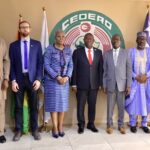
Mr Felix Haala, spokesperson for the German Embassy in Nigeria, has said that women’s empowerment is essential for building an inclusive and resilient democracy.
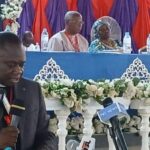
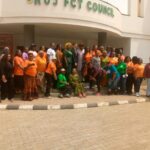
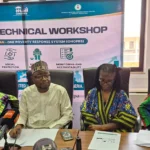
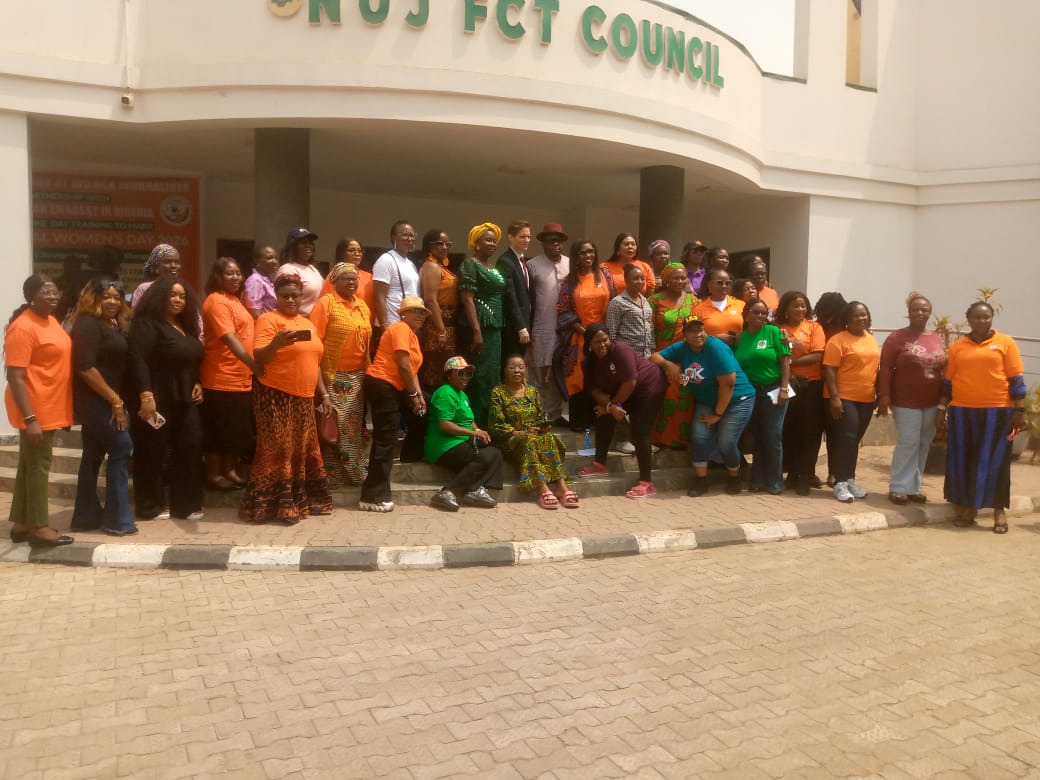
Haala made the remark in Abuja at a one-day capacity-building workshop for selected women journalists in the Federal Capital Territory (FCT), themed “Empowering Women Journalists for Democratic Governance and Social Change.”
The News Agency of Nigeria (NAN) reports that the workshop was organised by the Nigeria Association of Women Journalists (NAWOJ) FCT Chapter in partnership with the German Embassy.
The event formed part of activities marking the 2026 International Women’s Day, aimed at strengthening the capacity of women journalists for democratic governance and social change.
Haala commended Nigeria’s relatively free media environment, stressing that democracy and development could not thrive without press freedom.
He added that when women were empowered and their voices amplified, society benefited significantly.
He, however, noted challenges such as low female representation in parliament, describing it as a concern, while highlighting the country’s vibrant media landscape as a positive force for long-term national development.
“I commend NAWOJ for its commitment. Empowering women journalists is not only a matter of equality and justice, but also essential for a strong, inclusive and resilient democracy,” he said.
In her goodwill message, NAWOJ National President, Hajia Aisha Ibrahim, said empowering women journalists yielded immeasurable benefits, including stronger democratic voices, improved governance accountability, and more inclusive communities.
She called for greater inclusivity by ensuring women’s access to leadership positions, addressing safety concerns in the line of duty, and eliminating gender bias in newsrooms across the country.
“We must move from conversations to commitments, from commitments to action, and from action to measurable impact,” she said, while commending the German Embassy for its partnership and support.
NAWOJ FCT Chairperson, Mrs Bassey Ita-Ikpang, also lauded the Embassy’s commitment to advancing gender equality, media development, and democratic governance through sustained collaboration.
She said the training was designed to equip female journalists with skills in investigative reporting, ethical journalism, gender-sensitive storytelling, and leadership, enabling them to shape public discourse and drive social change.
Ita-Ikpang reaffirmed NAWOJ’s commitment to promoting professionalism, amplifying women’s voices, and advocating for inclusion across all sectors of national development.
Also speaking, FCT Chairman of the Nigeria Union of Journalists (NUJ), Ms Grace Ike, described the workshop theme as timely and necessary for strengthening journalism practice.
Represented by the chapter’s Treasurer, Sandra Chukwugekwu, Ike noted that women journalists across Nigeria and Africa played critical roles in shaping narratives, holding leaders accountable, and amplifying underserved voices in spite of persistent challenges.
She highlighted issues such as gender bias, limited leadership opportunities, and safety risks, stressing that capacity-building platforms like the workshop provided opportunities for learning, reflection, and professional growth.
Ike reaffirmed the NUJ’s commitment to promoting professionalism, inclusivity, and continuous capacity development, especially for women journalists who remained key drivers of ethical journalism and social transformation.(NAN)(www.nannews.ng)
Edited by Abiemwense Moru