















By Martha Agas
Smallholder farmers in Gwagwalada have pushed for the inclusion of their communities` climate priorities, the security of their farmlands and improved farm mechanisation in the council’s budget.
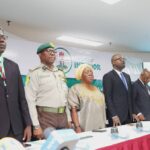
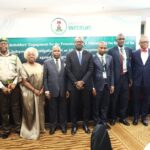
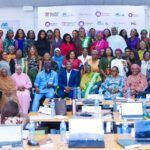
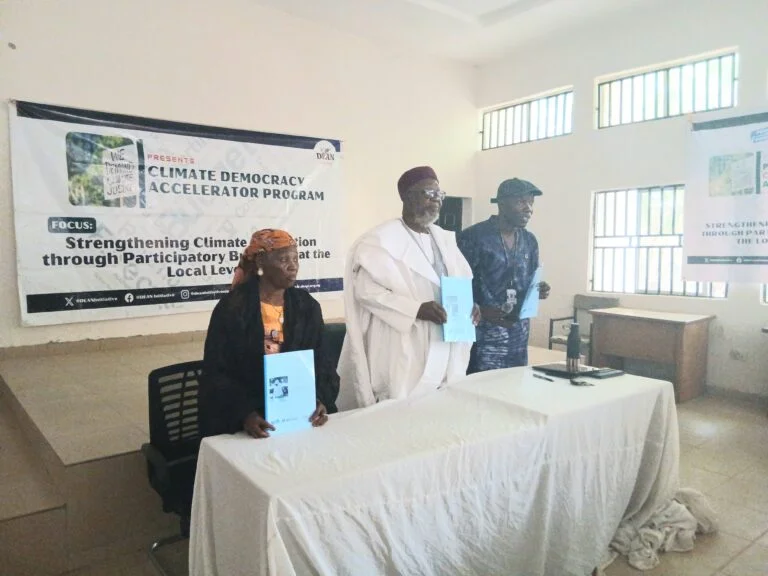
Speaking at the official unveiling of the Climate Participatory Budget Proposal at the council`s secretariat, the smallholder farmers said they need improved seedlings to cope with the current challenges posed by climate change.
The News Agency of Nigeria (NAN) reports that the event was convened by the Development of Educational Action Network (DEAN) Initiative under its project on Strengthening Climate Adaptation through Participatory Budgeting in the Gwagwalada Area Council.
It was funded by People-Powered, a global organisation working around Inclusive Democracy.
Gwagwalada is the first council in Nigeria to adopt participatory initiative in its budget preparation which was facilitated by DEAN.
The farmers explained that irregular rainfall, droughts, floods and temperature fluctuations were making it increasingly difficult for their crops to thrive.
One of the farmers, Ayuba Zubairu, said they urgently needed improved seeds for maize, guinea corn and yam that could withstand the impacts of climate change in their communities.
“Some of the maize we used to plant take a long time to mature. But with the current changes in climate, the growing period is too short.
“If we plant same crop now, termites, maggots, and other pests will destroy them. That is why we need improved seeds,” he said.
Zubairu urged the government to provide more farmlands to local farmers, as some of their existing plots had been reclaimed for other uses.
Mrs Rakiya Mamman, a woman leader in Paiko Community, said farmers were in urgent need of government support, especially with farm inputs such as fertilisers and pesticides, to strengthen their resilience to climate change.
Mamman urged the government to support them with timely interventions to ensure bumper harvest, while expressing concern that farmers were yet to receive support for fertiliser this year.
In his remarks, Muhammad Saba, the Council`s Focal Person on Open Government Partnership (OGP) Steering Committee, underscored the importance of citizens participation in the preparation of budgets, which he described as critical for its successful implementation.
Saba, who is also the Gwagwalada Council Secretary, said that as the first council in Nigeria to adopt citizen participation in budgeting, the council was open to exploring all the benefits of the OGP concept.
He said the draft proposal would be presented to other management members for further deliberations, while assuring that the priorities listed by the smallholder farmers would be considered in the council`s 2026 budget.
On his part, the Executive Director of DEAN, Semiye Michael, said that addressing the climate crisis experienced by farmers required concerted efforts, as its impacts had ripple effects on all members of the community, who relied on farmers for their food supply.
While congratulating the council for being pace setters in this initiative, he urged them to ensure the needs of the farmers were captured in the 2026 budget, as a reflection of their duty to serve the people.
“I congratulate Gwagwalada as the first local government in Nigeria to democratise budgetary process through actual voting and the first to allow the citizens participate in fighting climate change through budgeting,” he said.
Earlier, Taiye Ojo, the Project Lead, DEED`s Climate Democracy Accelerator Programme, said that the farmers capacities within Gwagwalada communities were built prior to the budget preparation to help them understand their climate priorities and empower them through climate smart agriculture and skills. (NAN)(www.nannews.ng)
Edited by Yakubu Uba