





By Abbas Bamalli
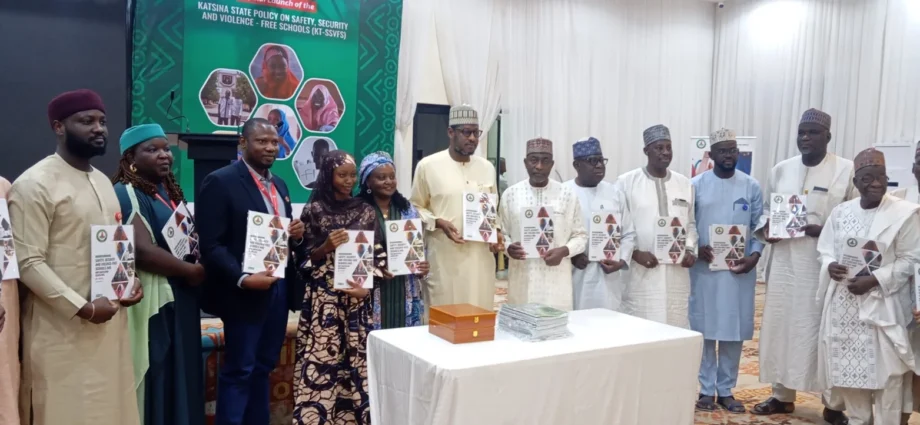
Katsina State has domesticated the National Safe Schools Policy (NSSP), aimed at protecting students and teachers.
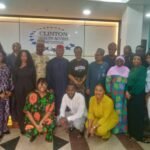
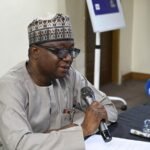
Gov. Dikko Radda of Katsina State, who announced this at the official launch of the policy in Katsina, also reaffirmed the government’s commitment to safeguarding learning environments across the state.
The governor described the initiative as a strategic step towards addressing growing threats to education, including violence, intimidation and disruption in schools.
He said that the policy, adapted from the 2021 national framework, was tailored to reflect the peculiar security realities of Katsina, particularly in rural and vulnerable communities.
“The initiative is designed to strengthen prevention and preparedness mechanisms, improve early warning systems and provide psychosocial support for learners and teachers affected by insecurity and emergencies,” he said.
The governor commended members of the state steering committee and development partners, particularly Save the Children International (SCI), for their roles in successfully domesticating the policy.
The News Agency of Nigeria (NAN) reports that the process is supported by the Government of Japan, through the Education Cannot Wait (ECW) project, being implemented by the SCI.
Radda acknowledged the advocacy efforts of the Children’s Parliament, announcing the release of N33million to support its activities and amplify the voices of children in governance processes.
NAN also reports that the Children’s Parliament on several occasions advocated for the domestication of the safe-school policy, and also budget lines to support their activities.
According to Radda, the policy integrates school safety into planning, budgeting, implementation and accountability structures at the community, local government and state levels.
The governor assured that the state government would continue to prioritise the protection of schools by investing in safe infrastructure and mobilising resources to strengthen security systems across educational institutions.
Earlier, the SCI Deputy Country Representative, Jane Mbagi, said that the organisation has been working in Katsina for nearly 15 years, focusing on maternal, newborn and child health, nutrition, child participation and system strengthening.
According to her, in 2025, SCI supported the enrolment of over 122,000 children in formal and non-formal education, including 235 children with special needs, while also strengthening community and health systems for polio vaccination, achieving coverage of nine in every 10 children.
She added that the SCI had earlier responded to the malnutrition crisis through multi-purpose cash transfers and is currently supporting efforts to tackle diphtheria in the state.
Mbagi further described that the approval of funds for the children’s parliament, and the domestication of the policy has demonstrated the governor’s genuine political will.
“This is not symbolic; it is a structural change,” she said, stressing that the move reflects strong commitment to child participation and positions children as active stakeholders in governance.
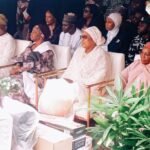
Saudat Akilu, speaking on behalf of the Children’s Parliament, delivered an emotional and powerful address, highlighting the importance of safety in schools and the direct impact of insecurity on children’s education in Katsina.
Recalling a troubling period when schools were forced to shut down due to insecurity, she noted that children carried fear instead of books, while parents and teachers lived in constant uncertainty.
According to her, these harsh realities compelled children to raise their voices and demand action, expressing delight that these demands had been met, announcing that their activities would commence immediately.
NAN reports that states in Nigeria are actively domesticating the NSSP and Minimum Standards (approved 2021) to protect schools from attacks, violence, and hazards.
Key efforts include forming state steering committees and implementing “Safe School Financing” plans.
Katsina has intensified efforts, becoming a notable example of domestication, while Plateau is a pilot state.(NAN)(www.nannews.ng)
Edited by Sadiya Hamza