

















By Folasade Akpan
Experts have called for greater investment in girl-child education to reduce gender disparities and improve access, retention, and completion rates for millions of Nigerian girls, stressing the need for systemic reforms.
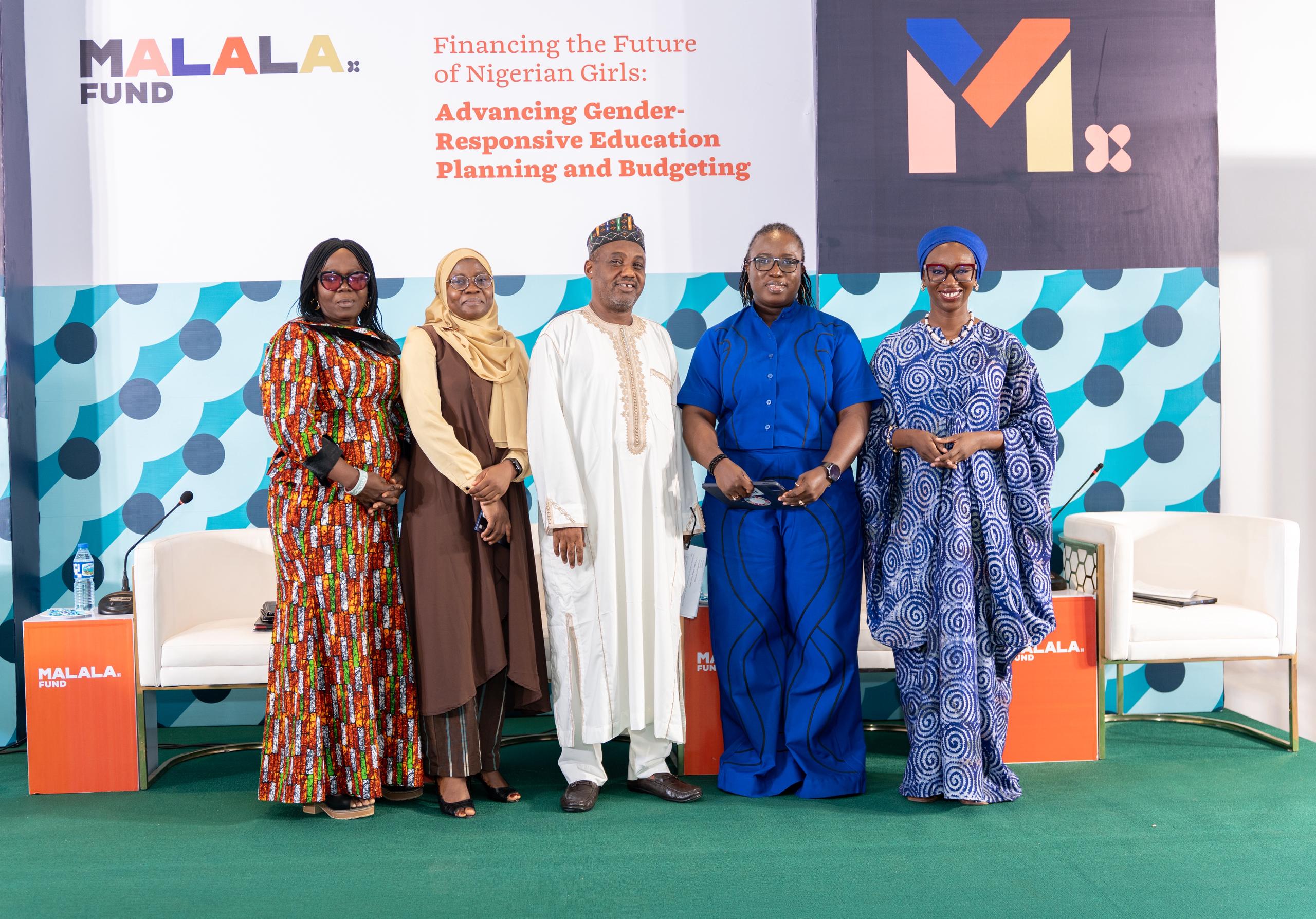
The call was made on Tuesday in Abuja during a high-level policy dialogue organised by the Malala Fund on financing the future of Nigerian girls through gender-responsive education planning and budgeting.
The News Agency of Nigeria (NAN) reports that stakeholders at the dialogue highlighted financing, policy reforms, and accountability as critical measures to improve education outcomes across the country for girls.
The Chief Executive Officer of Malala Fund, Nabila Aguele, said the organisation worked toward a world where all girls could access at least 12 years of quality education.
Aguele said that the fund prioritised adolescent girls, particularly at the secondary school level, by supporting local organisations and advocating for policies that centred the needs and voices of girls.
She added that improving girls’ education required addressing systemic barriers alongside financing gaps, with quality spending and accountability mechanisms essential for sustainable results nationwide.
According to Aguele, educating girls improves future earnings, productivity, and economic development while reducing poverty, particularly in underserved and marginalised communities across Nigeria.
She emphasised that federal investment in education remained below target and called on policymakers to align budgets with plans while ensuring accountability to achieve tangible results.
Aguele said that the Malala Fund supported local actors rather than directly implementing programmes, noting that community-based organisations were better positioned to drive sustainable change and influence policy reforms.
Leading the call, Bukky Shonibare, Executive Director of Invictus Africa, said Nigeria had about 9.5 million girls out of school, representing 28 per cent of the country’s female population.
She expressed concern that Nigeria allocated only seven per cent of its 2025 national budget to education, far below the UNESCO-recommended 15 to 20 per cent benchmark.
Shonibare said that beyond allocations, effective and targeted spending was critical, highlighting gaps between budget provisions and actual releases that undermined education outcomes in many states.
She called for deliberate investment to address barriers preventing girls from enrolling, staying, and completing school, urging integration of gender-responsive strategies into national development plans.
Shonibare highlighted structural barriers, including lack of facilities, early pregnancy, absence of female teachers, and unsafe learning environments that prevented many girls from attending school.
Representatives from Kano and Oyo states reiterated commitments to gender-responsive planning, increased enrolment, and improved accountability in the use of education budgets within their states.
The Permanent Secretary of Kano State Ministry of Education, Alhaji Bashir Mohammed, said the state had aligned its policies to ensure that vulnerable girls were visible in education funding decisions.
He added that Kano allocated more than 39 per cent of its budget to education to support those initiatives.
Mrs Olufunke Karunwi, Permanent Secretary of Oyo State Ministry of Education, said the state prioritised gender-responsive planning, including school feeding, free uniforms, and safe transport to improve girls’ enrolment, retention, and completion.
The UN Women Country Representative to Nigeria and ECOWAS, Beatrice Eyong, said investing in girls was a social and economic imperative, noting that targeted investments could yield returns exceeding 21 times the initial cost.
She added that embedding gender-responsive approaches into national planning and budgeting frameworks was critical to achieving Sustainable Development Goal Five, warning that inadequate investment could have long-term national consequences.
The News Agency of Nigeria (NAN) reports that stakeholders emphasised sustained investment, policy alignment, and community engagement to ensure every Nigerian girl accesses quality and equitable education.(NAN)(www.nannews.ng)
Edited by Abiemwense Moru