









By Felicia Imohimi
Community Action for Food Security, Africa (CAFS) and Nigerian Stored Products Research Institute (NSPRI)have unveiled “Incorporation of Blockchain Technology to Access Climate-Smart Solar Dryers” to tackle post-harvest losses.
The project supported by the United Nations Development Programme (UNDP) under the Tadamon Accelerator for Food Security is aimed at addressing one of the major challenges in the Nigeria’s food supply.
Prof. Lateef Sanni, Executive Director of NSPRI, at the unveiling said there was need to urgently deploy innovative solutions in post-harvest management.
He emphasised that strengthening food preservation systems was critical in ensuring national food security and improving livelihoods.
“Nigeria continues to face significant post-harvest losses.
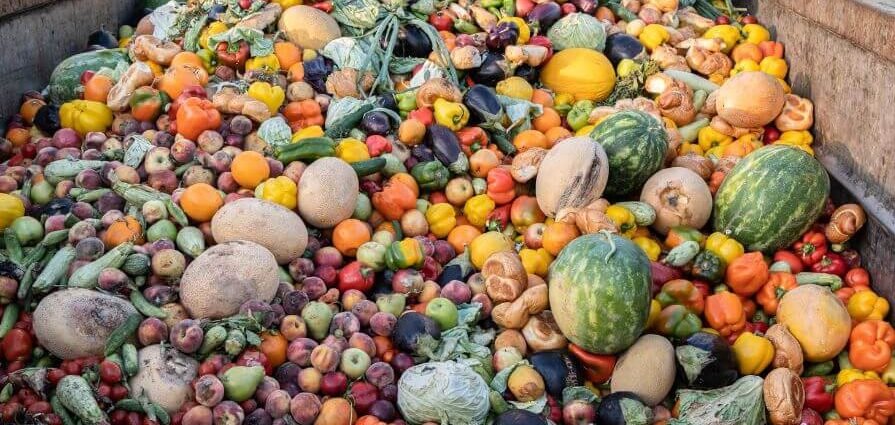
“It is estimated that 30 per cent to 50 per cent of perishable agricultural produce is lost annually due to inadequate storage, inefficient processing systems and limited access to preservation technologies.
“These losses disproportionately affect smallholder farmers, women processors and rural communities, contributing to reduced incomes, food insecurity and economic inefficiencies,’’ he said.
Mr Azeez Salawu, Founder CAFS Africa, explained that the project combined climate-smart infrastructure with digital innovation.
“By integrating solar-powered dryers with blockchain technology, we are not only reducing food losses but also ensuring transparency, equitable access and long-term sustainability.
“The initiative introduces solar-powered dryers as a clean, efficient and climate-resilient method of preserving agricultural produce and a blockchain-enabled platform to track usage, promote transparency and democratise access to shared infrastructure,’’ he said.
Dr Michael Omodara, Project Training and Deployment Expert, said the solar dryers would improve product quality, reduce contamination and extend shelf life, while the blockchain system will enable real-time monitoring and accountability.
He said that integration of blockchain into agricultural systems represented a forward-looking approach to building smart and resilient food systems.
According to him, the project places strong emphasis on capacity building and inclusion, targeting smallholder farmers, women involved in food processing and youth as technicians and digital facilitators.
He said the project was expected to reduce post-harvest losses, improve market access, increase incomes for farmers and processors and strengthen community-based food systems, climate-resilient, technology-driven, and targets inclusive food systems in the country.(NAN)(www.nannews.ng)
Edited by Uche Anunne