


















By Felicia Imohimi
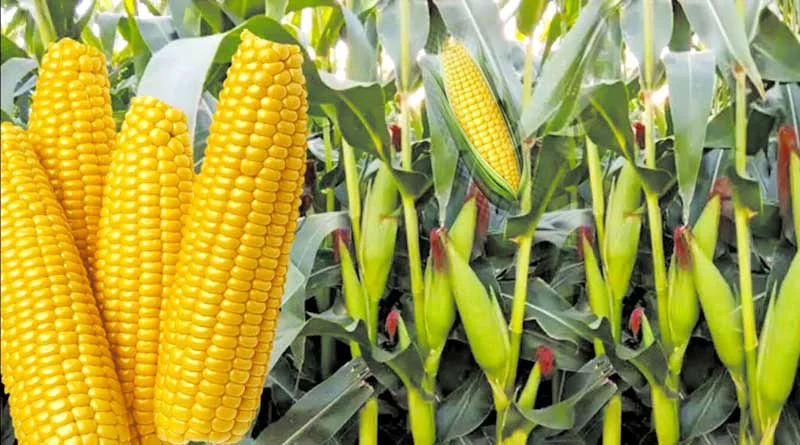
The Federal Government says Nigeria requires no fewer than 25 million tonnes of maize annually to meet national demand and strengthen food security.
The Minister of State for Agriculture and Food Security, Sen. Aliyu Abdullahi, disclosed this on Friday in Abuja during a Quarterly Citizens and Stakeholders’ Engagement meeting.
Abdullahi said the government had intensified efforts to meet the demand by boosting local production and reducing dependence on food imports.
“Our focus is on expanding local production so affordable and nutritious food becomes accessible to every Nigerian,” he said.
He added that ongoing interventions were already influencing market trends, noting that prices of essential food commodities had declined nationwide.
“Our efforts are paying off. Prices of major food commodities have dropped by about 50 per cent across the country.
“These efforts reflect our commitment to improving food security and citizens’ well-being. We are addressing high input costs to sustain affordable food supply,” Abdullahi said.
He said strategic investment in agricultural value chains was positioning Nigeria to become a major force in the global agricultural market.
“We have prioritised rice, maize and wheat value chains, creating opportunities for millions of smallholder farmers and other stakeholders,” he said.
Abdullahi said the ministry was aligning policies with President Bola Tinubu’s Renewed Hope Agenda to achieve food sovereignty.
“The goal is clear: Nigeria must produce what it consumes and consume what it produces,” he said.
According to him, the ministry is implementing reforms aimed at transforming the nation’s agricultural landscape and expanding production across priority crops.
He urged stakeholders to collaborate closely with state agriculture ministries to accelerate productivity nationwide.
“Together we can transform Nigeria’s food system and ensure sustainable agricultural growth for the benefit of all Nigerians,” Abdullahi said.
He described the engagement meeting as part of the ministry’s commitment to transparency, open governance and inclusive collaboration.
“This platform underscores the importance of stakeholder engagement in shaping sound policies and ensuring effective implementation,” he said.
Abdullahi added that the initiative would strengthen collaboration aimed at ensuring food remains available, accessible and affordable across the country.
The meeting featured representatives of the media, civil society organisations, farmers’ groups, agro-allied businesses, development partners, donor agencies and government institutions. (NAN) (www.nannews.ng)
Edited by Modupe Adeloye / Kamal Tayo Oropo