

















By Mark Longyen
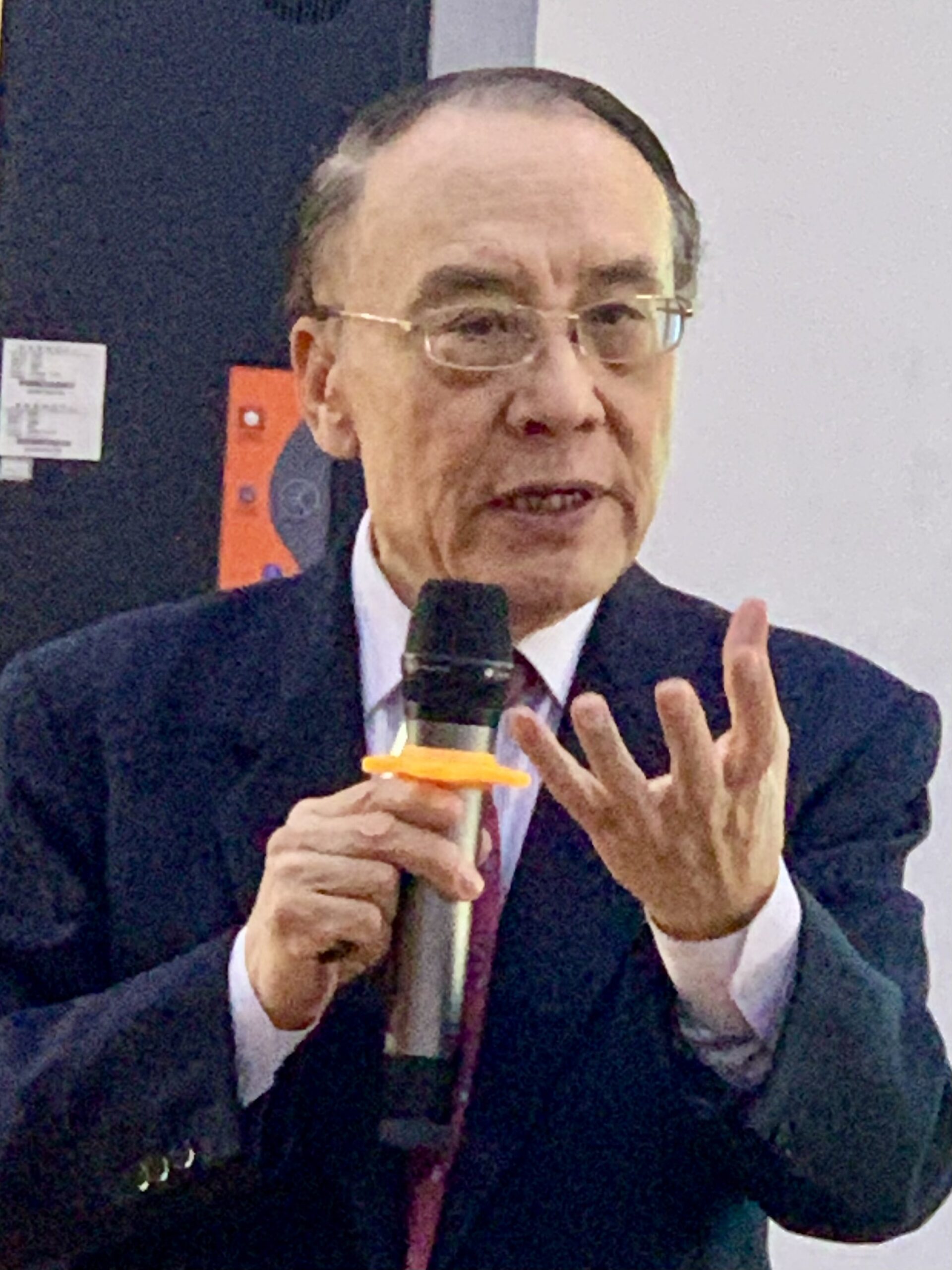
Beijing, China, Former Chinese Ambassador to Gabon, Sun Jiwen, says China’s current rapid economic development is the outcome of decades of deliberate reforms, modernisation and opening up to the world.
Sun stated this in a presentation he delivered at a two-week seminar on “Exchange of China’s Experience in Reform and Opening-Up for Developing Countries,” in the Chinese capital, Beijing.
The News Agency of Nigeria (NAN) reports that the veteran diplomat spoke on the theme: “Overview of China’s Conditions and Modernisation.”
According to him, China is a country with a long history and ancient civilisation, adding that the country has passed through many dynasties, wars, conflicts, and scars of external subjugation.
He, however, said the 1949 revolution by Mao Zedong, modern China’s founder, marked a watershed in the country’s development by birthing the Peoples Republic of China and its subsequent development plans.
The ambassador said that the first five-year strategic plan for the development of the national economy from 1953 to 1957 culminated in the development of China’s agricultural, industrial and economic base.
He said the aggressive reforms and opening-up policy of former President Deng Xiaoping from 1978, following Mao’s exit, exposed China to foreign investment, putting it on the path of rapid development.
Sun said Deng’s rural and urban China reforms paved the way for a socialist economy, capital market, price control, and the privatisation of almost all small and medium-sized state-owned enterprises.
Under Deng, he said, China also embarked on an ambitious, strategic economic reform policy of establishing free trade zones, which opened up the Chinese economy to the world and bolstered overall growth.
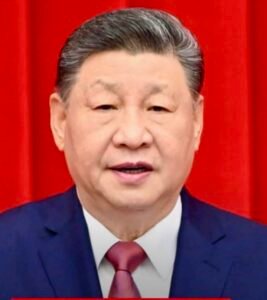
Chinese President Xi Jinping.
He said China was currently on the path of rapid modernisation under incumbent President Xi Jinping, who consolidated the past reforms, and pulled out 100 million people from absolute poverty since 2020.
“The characteristics of the Chinese modernisation are modernisation with a large population of 1.4 billion, and modernisation of common prosperity for all people, such as women employment.
“For instance, 320 million women were employed, accounting for 43.4 per cent of the total employed population.
“China has also embarked on material and spiritual civilisation modernisation through which afforestation has been scaled up in 69.33 million hectres of land out of 208 million hectres reforested,” he said.
Sun added that China was also currently modernising by firmly holding high the banner of world peace, south-south win-win cooperation and development, while expanding its domestic economy.
This, he said, was exemplified by China’s opposition to all forms of global hegemonism and power politics, while promoting the construction of a new type of international relations.
He said that China’s development, going forward, would entail comprehensively deepening its reforms alongside a multi-functional, multi-layer and all-directional pattern to deepen its opening-up to the world.
The ambassador noted that China’s large population of 1.4 billion, coupled with the uneven development between its Eastern and Western regions, posed serious challenges in its socio-economic development efforts.
Sun projected that by 2035, China would realise its socialist modernisation goals, and build a more moderately and rapidly developed country by 2050.(NAN)(nannews.ng)