


By Charity Nwosu
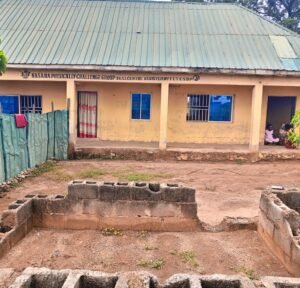
Members of the Nasara Physically Challenged Centre in Dei-Dei Community, Bwari Area Council, FCT, have appealed to government at all levels, corporate organisations and well-meaning Nigerians for support.
The members made the appeal in interviews with the News Agency of Nigeria (NAN) on Thursday in Abuja, listing needs in empowerment opportunities and inclusive initiatives.
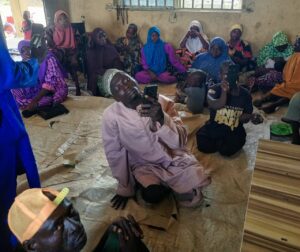
They said that despite possessing vocational and professional skills, many persons with disabilities still faced discrimination, unemployment and lack of support.
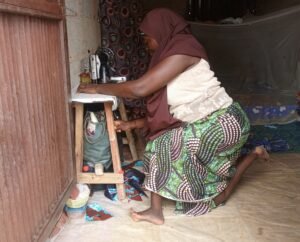
The Chairman of the centre, Mr Zailani Garba, said many physically challenged persons were skilled in tailoring, shoemaking, hairdressing, welding, soap making and other trades, but lacked the tools needed to work effectively.
Garba said access to the necessary equipment would help them become self-reliant and enable them to provide for their children’s education.
According to him, government intervention through empowerment programmes, vocational training and financial support would greatly improve their standard of living.
“We need government support to enable persons with disabilities to become self-reliant and contribute meaningfully to society.
“Many of our members have skills, but they lack the equipment and financial assistance needed to start or expand their businesses,” he said.
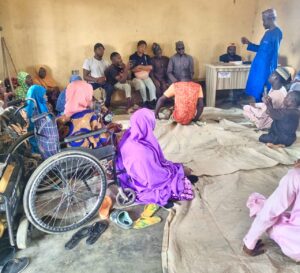
He also appealed for the provision of disability equipment such as wheelchairs, crutches and other mobility aids to assist physically challenged persons in their daily activities.
Garba noted that many talented artisans with disabilities were unable to compete effectively because of poor access to resources and mobility challenges.
“Many of us have skills and want to work, but mobility remains a major challenge,” he said.
“We are appealing to the government and well-meaning Nigerians to assist us with wheelchairs, crutches and other disability equipment.”
A shoemaker, Mr Usman Abubakar, said many physically challenged persons were eager to become self-reliant but lacked the necessary support.
“We are not begging on the streets because we want to. Many of us have skills and are willing to work, but we do not have the equipment to start.
“If the government can support us with shoemaking machines, sewing machines, welding machines, generators and other working tools, we will be able to take care of our families,” he said.
Abubakar added that many people overlooked persons with disabilities because of their condition.
“What we need is encouragement, empowerment programmes, modern working tools and vocational grants to expand our businesses,” he said.
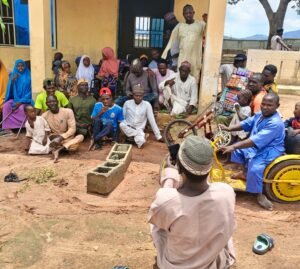
Another member of the centre, Mrs Aisha Abdullahi, said access to healthcare remained poor for many persons with disabilities.
She explained that some hospitals lacked facilities that could adequately accommodate people with physical challenges.
“We need better healthcare services and affordable treatment. Some hospitals are not disability-friendly and this makes it difficult for us to access medical care,” she said.
Also speaking, Mrs Hafsat Garba urged authorities to create more inclusive policies that would promote the welfare of persons with disabilities.
According to her, most artisans with disabilities struggle to afford equipment and suitable workspaces.
“If we receive proper support, we can contribute meaningfully to society and reduce dependence on others,” she said.
Some residents who spoke with NAN also called for greater public awareness and the inclusion of persons with disabilities in economic empowerment programmes.
Mr Abdullahi Usman urged the government to strengthen policies protecting the rights of persons with disabilities and ensure equal access to opportunities.
He said skill acquisition and empowerment remained vital tools for improving the living conditions of vulnerable groups.
Usman also appealed to corporate organisations and philanthropists to partner with the centre in supporting persons with disabilities.
The stakeholders expressed optimism that increased support and inclusion would enable physically challenged artisans to achieve greater economic independence and social acceptance.(NAN)(www.nannews.ng)
Edited by Magdalene Ukuedojor



Comments