
















By Angela Atabo
The Federal Government, United Nations agencies, International Alert, and other partners are urging stronger collaboration among stakeholders to effectively implement the One Humanitarian–One Poverty Response System (OHOPRS).
The News Agency of Nigeria (NAN) recalls that the OHOPRS was earlier inaugurated by stakeholders as a unified national framework for ending poverty in Nigeria.
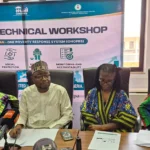
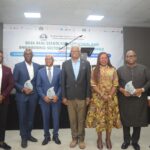
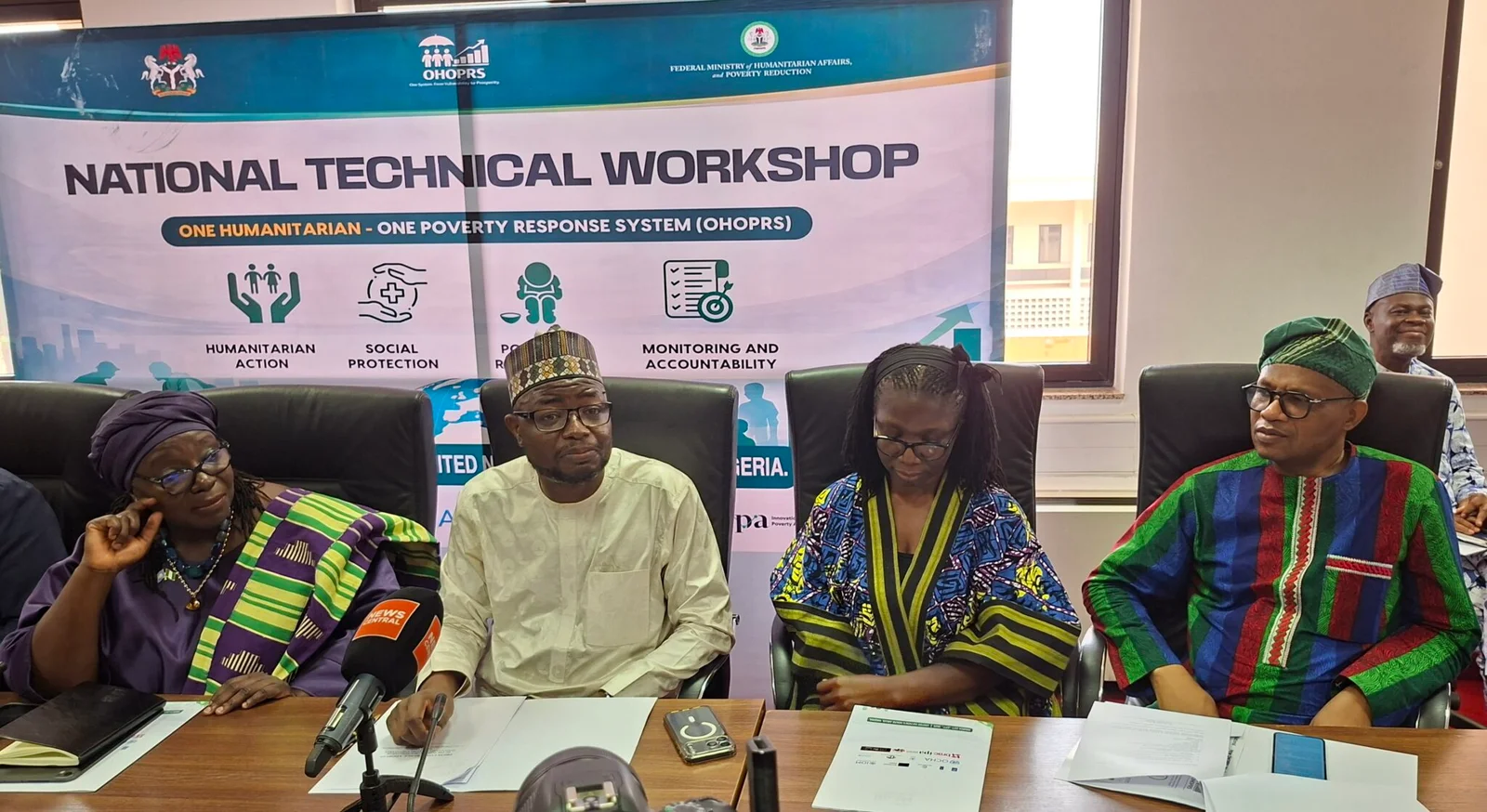
Speaking at the conclusion of the National Technical Workshop on OHOPRS for humanitarian stakeholders on Friday in Abuja, Dr Bernard Doro, Minister of Humanitarian Affairs and Poverty Reduction, emphasised the importance of synergy in implementing the OHOPRS.
Doro explained that the OHOPRS framework was designed and adopted at the start of the workshop to harmonise efforts and eliminate duplication in poverty reduction programmes.
He said the workshop marked a defining moment in Nigeria’s journey toward reforming humanitarian interventions and reducing poverty, noting that the collective operationalisation of OHOPRS was crucial in the fight against poverty.
“Over the past four days, the Federal Government of Nigeria, through the Federal Ministry of Humanitarian Affairs and Poverty Reduction, in collaboration with our valued partners, has convened this National Technical Workshop.
“This is to address a fundamental challenge: the fragmentation of humanitarian response and poverty reduction efforts in our country,” he said.
The minister added that the framework was important because, for too long, Nigeria’s humanitarian systems had been fragmented across institutions, duplicated across programmes, and disconnected across data and financing systems.
This, he explained, had resulted in repeated interventions with no clear transition pathways, wasted resources due to duplication, lack of synergy, and persistent vulnerability across communities.
Doro noted that under the Renewed Hope Agenda of President Bola Tinubu, Nigeria was now moving from effort to impact, and from support to transformation.
He said that through OHOPRS, Nigeria would achieve five fundamental shifts.
These include one unified national system, a single integrated national registry architecture, a pooled and accountable financing framework, measurable poverty exit outcomes, and real-time monitoring and accountability.
He added that OHOPRS would also help track every citizen’s journey by identifying vulnerable individuals through the register, monitoring interventions, guiding them toward self-reliance, and ensuring they stay out of poverty.
“This reform requires collective commitment. It requires alignment of all ministries, departments, and agencies, state governments and local government authorities, development partners, the private sector, civil society, and NGOs to the national system.
“Poverty reduction is not an act of charity; it is a pillar of national security. We are no longer content with merely managing poverty. Our goal is to end it.
“We are moving from helping Nigerians survive to enabling them to thrive,” he said.(NAN)(www.nannews.ng)
Edited by Kevin Okunzuwa