


By Naomi Sharang
The Nigerian Supreme Council for Islamic Affairs (NSCIA) and Jama’atu Nasril Islam (JNI) have cautioned Islamic clerics against political partisanship, hate speech and the spread of misinformation ahead of the 2027 general elections.
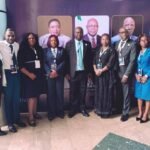
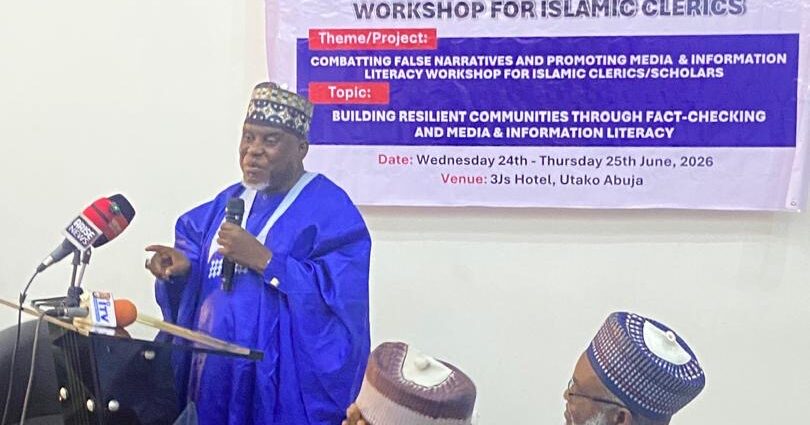
The organisations gave the warning at a capacity-building workshop for Islamic clerics from Northern Nigeria held on Wednesday in Abuja.
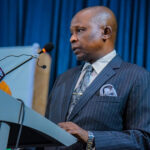
Speaking at the workshop, themed “Building Resilient Communities through Fact-Checking and Media Information Literacy,” the Secretary-General of NSCIA, Prof. Is-haq Oloyede, urged clerics to promote responsible communication in their sermons and community engagements.
Represented by the NSCIA Public Affairs Officer, Abbas Jimoh, Oloyede said misinformation and disinformation had contributed to communal clashes, heightened religious tensions and weakened public trust.
“In Northern Nigeria and across the country, our communities are navigating a complex information ecosystem where rumours often spread faster than the truth.
“Misinformation fuels mistrust, inflames divisions and, too often, leads to real-world harm, from health crises to communal conflicts.
“Unfortunately, misinformation and disinformation have contributed to misunderstandings among communities, heightened religious and ethnic tensions, undermined public trust and, in some instances, fuelled insecurity and violence,” he said.
According to him, the consequences are particularly severe in societies where emotions, identities and beliefs can easily be exploited by malicious actors.
He said Islamic clerics and scholars occupied positions of trust and influence and were therefore uniquely placed to promote truth, critical thinking and responsible communication.
“Every week, millions of Nigerians receive guidance from their Imams, teachers and scholars through sermons, lectures, study circles and community engagements.
“As trusted voices, religious leaders are uniquely positioned to promote truth, caution, verification, critical thinking and responsible communication,” he said.
Oloyede added that the principles of fact-checking and information verification were deeply rooted in Islamic teachings, citing Qur’an 49:6, which enjoins believers to verify information before acting on it.
“Religious leaders must become champions of truth, peace and informed citizenship. They should encourage their communities to pause before sharing information, verify before believing and seek evidence before making judgments.
“By doing so, they will contribute to social harmony, national unity and sustainable development,” he said.
Also speaking, the Secretary-General of JNI and Chief Imam of the National Mosque, Abuja, Prof. Khalid Aliyu, urged clerics to remain apolitical and verify information before sharing it.
He also advised politicians against attempting to influence or compromise religious leaders for political purposes.
“Clerics should verify information, respect themselves and remain apolitical.
“They have a spiritual responsibility to guide people and not mislead them,” he said.
In his welcome address, the convener of the workshop and Editor of Alkalanci, Alhassan Bala, said the gathering was timely as preparations for the 2027 general elections gathered momentum.
He noted that studies had shown that misinformation and disinformation often increase during election periods, while foreign actors could also seek to manipulate information to influence public opinion.
Bala said the workshop was designed to equip clerics with the skills needed to identify and counter false information.
“We are also in an era where AI-generated images, videos and audio recordings, known as deepfakes, are becoming increasingly sophisticated.
“This makes it even more important for community leaders to understand how to protect themselves and their communities from falling victim to falsehood and manipulation,” he said. (NAN)
Edited by Sadiya Hamza