


By Justina Auta
The AIDS Healthcare Foundation, (AHF) and some Civil Society Organisations (CSOs) have called for a readjustment of the current draft of the WHO pandemic agreement particularly in developing nations.
They specifically called for the readjustment of the draft of the World Health Organisation (WHO) pandemic agreement to strengthen the international community’s ability to detect and respond to future pandemics threat in developing nations.
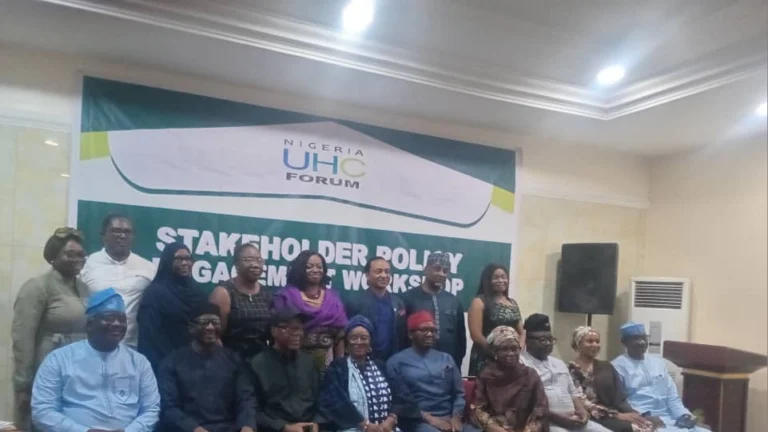
They made the call while addressing newsmen in Abuja ahead of the finalisation of the WHO agreement Draft in May 2024.
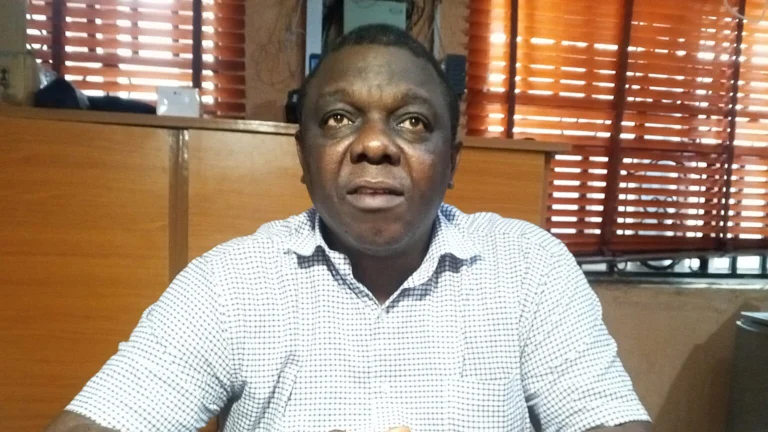
Dr Echey Ijezie, Country Programme Director, AHF, said that the proposed text had been significantly watered down through the negotiation process and is filled with platitudes, anaemic in obligations, and devoid of any accountability.
“We expressed profound concern that developed nations have vehemently defended the private interest of pharmaceutical companies over the collective common interest of achieving global health security in a sustainable and equitable manner.
“Such disregard has been observed in the proposed compromise for the WHO Pathogen Access and Benefit-Sharing System, which the Lancet has described as not only “shameful, unjust, and inequitable” but also “ignorant.” he said.
Ijezie added that to ensure its objectivity and effectiveness, the agreement should consider establishing an independent oversight body that is “politically, financially, technically and operationally independent of the WHO and donors.”
“Compliance, however, has been largely ignored by all parties and brushed under the rug throughout the negotiations.
“This is reflected in the current text, which does not mention the word compliance even once.”
“To this end, we echo the concerns of the Panel for a Global Public Health Convention that the idea of a Compliance and Implementation Committee should not have been dropped from the text,” he said.
He also added that the current text did not include effective engagement with CSOs and other nongovernmental actors in the agreement.
Also, Dr Abdulkadir Ibrahim, National Coordinator Network of People Living with HIV/AIDS (NEPWHAN), noted the role of CSOs as critical partners to global responses on pandemics and related issues.
“We are calling on WHO to restore the position of the civil society strongly and urgently with clear engagement and define the core role that the CSOs will put in place as we move ahead in putting the agenda for pandemic preparedness.
“The value it will add, will help in demand creation to sensitise, educate and empower people with knowledge about some of these things and what happened in the past, where we are and where we should be going,” he said.
Also speaking, Rommy Mom, the President Lawyers Alert, said pandemic responses should be “Right based” where the world can implement Rights policies especially in the global south.
Mom called for compliance and monitoring.
“When-we approach the issues of pandemics, low-income countries find it difficult to access drugs because people can’t afford them.
“But if we look at it from a human rights angle, people should have access to lifesaving medications,” he said.
Hajia Hauwa Mustapha, Deputy National Chairperson, Alliance for Covid-19 and Beyond and Focal Person, Climate Change, Nigeria Labour Congress (NLC), explained that pandemics do not occur overnight.
“And one of the key processes that leads to some of the health pandemics we witness in the world is climate change.
“So it is important for us, while addressing pandemic as an immediate emergency, to also engage the causative factors, which is climate change and specifically about what we produce and consume.”
Amber Itohan-Erinmwinhe, Executive Secretary, Nigerian Network of Religious Leaders Living with and affected by HIV/AIDS (NINERELA+) suggested that the core role of CSOs should be repositioned and re-defined in the engagement of pandemic responses.
Mrs Chizoba Ogbeche, Vice President, Zone D, Nigeria Association of Women Journalists, (NAWOJ), stressed the need to protect women and children against pandemics or any harm. (NAN)
Edited by Kadiri Abdulrahman/Sadiya Hamza
Comments