









By Folasade Akpan
The National Population Commission (NPC) has called for a decisive shift toward domestic financing of population programmes amid dwindling global donor support, stressing national ownership as critical for sustainable development.
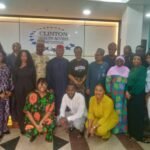
NPC Chairman, Mr Aminu Yusuf, made the call during the unveiling of the report of its 13th Annual Population Lecture Series (APLS 13) on Monday in Abuja, describing the report as a strategic roadmap.
Yusuf said the report’s theme, “Emerging Global Funding Realities: Impact on Population Activities and the Need for Innovative Domestic Resource Mobilisation,” was timely and underscored the urgent need for domestic funding solutions.
“Our responsibility goes beyond counting people; it is about ensuring that every Nigerian counts.
“The role of data in national development cannot be over emphasised,” Yusuf said, highlighting evidence-based policy as vital for progress.
He said that the commission produced an official report of the lecture series for the first time in 14 years, institutionalising knowledge to guide policymaking and strengthened demographic planning across the country.
Yusuf said the report aligned with the Renewed Hope Agenda, promoting institutional strengthening, youth empowerment, and evidence-based policymaking to drive Nigeria’s demographic and development resilience forward effectively.
He highlighted that development partner contributions currently accounted for about 11.6 per cent of national health expenditure, a figure increasingly uncertain due to shifting global priorities and funding withdrawals.
The chairman said Nigeria’s Total Fertility Rate remained approximately 4.8 children per woman, with regional disparities driven by gaps in education and limited access to family planning services.
He identified weak data systems and poor institutional coordination as major challenges undermining effective population management, urging innovative strategies and stronger governance to ensure programmes delivered measurable impact nationwide.
Yusuf proposed a roadmap anchored on innovative financing, including population bonds, diaspora remittances, and expanded health insurance coverage, while calling for deeper private sector engagement beyond traditional corporate social responsibility.
He pledged support for at least 1,000 youth-led social enterprises by the third quarter of 2026, focusing on health, data innovation, and community development to strengthen pop ulation outcomes and economic empowerment.
Benue State NPC Commissioner, Mrs Patricia Kupchi, described the report as evidence that the commission remained proactive, calling it “a strategic roadmap for Nigeria’s demographic resilience” and emphasising national ownership over donor dependency.
Kupchi urged the government to transition funding from donors to homegrown solutions through partnerships with the private sector, ensuring sustainable financing of population and family planning initiatives across Nigeria.
Dr Ejike Oji of the Association for the Advancement of Family Planning (AAFN) linked Nigeria’s security challenges directly to a population crisis, warning the consequences were already visible and worsening without urgent intervention.
He recalled the withdrawal of USAID funding under U.S. President Donald Trump, which removed 600 million dollars from global development, leaving UNFPA with a 37.5 million dollar shortfall impacting Nigeria’s stock availability.
“As we speak, there are stock outs in Nigeria because of those shortages,” Oji said, describing the funding crisis as an inflection point requiring domestic resource mobilisation as a national priority.
He called on the NPC chairman to ensure APLS became a budget line item funded by the Federal Government, noting, “That way you give it the attention it deserves.”
Alhaji Mokhtar Gaya of Breakthrough Action, supported the call, emphasising that all partners working on population issues should actively support APLS and ensure budget releases matched allocations for real impact.
Gaya urged the expansion of APLS activities from the national level to all 36 states and the Federal Capital Territory, saying, “Let’s leave Abuja and begin to have activities happening at the subnational levels.”
Dr Haruna Okaide, Director of Planned Parenthood Federation of Nigeria (PPFN), emphasised that family planning remained the most cost-effective and fastest pathway to achieving Sustainable Development Goals, urging legislators to create dedicated budget lines.
The APLS, established in 2012, serves as Nigeria’s premier platform for aligning demographic realities with national development planning, linking population data with actionable policies to strengthen health, education, and economic outcomes.(NAN)(www.nannews.ng)
Edited Dorcas Jonah/Abiemwense Moru