










Public Money, Public Games: The State’s Enduring Role in Sport Funding
Most people see games as fun, yet behind the scenes, they shape how nations define themselves. Public funds flow into stadiums, training programs, one major event after another, because leaders recognize deeper value beyond wins or losses. Health outcomes improve when communities engage physically, young athletes gain discipline, and sometimes opportunity. Economies benefit from tourism, jobs linked to big matches, and culture shifts subtly when a country unites behind a team. These moments expose shared beliefs, values held quietly until victory or defeat brings them forward.
The Scale of Government Sport Investment
Most times, state support for sports goes much further than what businesses usually provide. While companies pick specific areas to back, government money flows into arenas, practice facilities, athletic groups, plus local initiatives all at once. Rarely does any one brand step in across so many parts. Because of public budgets, neighborhoods without profit potential still get chances to play. What gets missed by markets often stays covered through policy.
Most people watching games supported by public money want more than just viewing. Accessing the wagering through the MelBet download (Arabic: MelBet تحميل) opens doors to many global events across numerous disciplines. Major leagues draw the most wagering interest – these are also the ones sustained through official backing. What emerges is a cycle: taxpayer-backed sports fuel broader participation, including online interaction among supporters.
Why Private Investment Cannot Replace the State
Money flows into elite sports from companies and media networks. Still, these backers care more about earnings than community benefit. Audience size shapes their choices – without crowds tuning in, support vanishes fast. Public funds step in where profits fail to go. Officials answer to broader goals, not quarterly returns.
When public money backs training centers, local leagues, and major contests, it indirectly fuels both spectator interest and betting activity. Across numerous markets, sports betting services function with MelBet https://iq.melbet.com/ar, standing out by including events from football to tennis alongside lesser-known sports. Because these platforms rely on steady schedules filled with games and tournaments, their success ties closely to structured athletic programming supported through state financing.
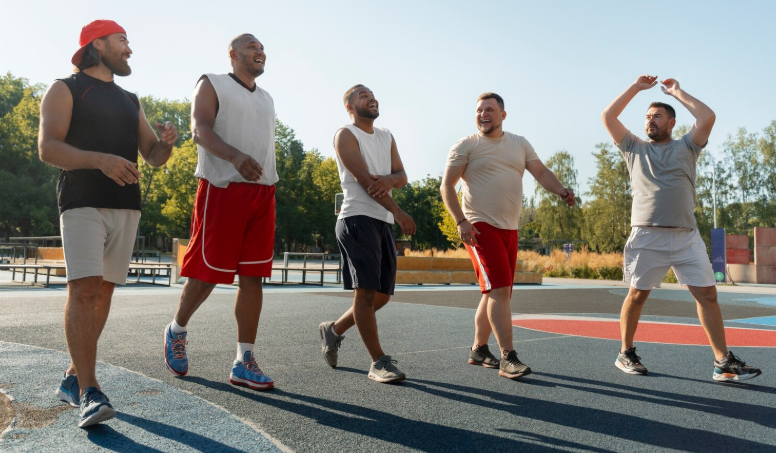
Stability in sport does not emerge by chance – it grows where official support lays groundwork. Even when not aiming to assist gambling ventures, authorities help build conditions under which such industries thrive.
Health, Social Cohesion, and National Identity
When governments fund sports, gains appear not just in podium results or gate receipts. Health care spending drops as people move more, while public access to playing fields shapes daily routines across communities. Such effects deliver clear value back to national budgets and social systems.
Across different populations, sport helps bind people together. Because they support the same teams or take part in nationwide events, individuals often feel more connected. When athletes win on global stages, nations lean into those moments to strengthen shared identity. Officials view such outcomes as valuable – achievable without high expense.
Infrastructure That Only States Can Build
Stadiums, pools, and arenas – these large facilities demand heavy initial spending and years of preparation. Because sports do not guarantee profits, private firms usually stay away unless rewards are certain. Public funding steps in where markets hesitate, accepting uncertainty due to broader community benefits. The value lies less in income than in lasting public impact.
Across different types of sports, common financial support varies in notable ways:
| Sport Category | Primary Funder | Private Sector Role |
| Elite Olympic Sport | Government grants | Minimal sponsorship |
| Professional Leagues | Mixed (clubs + state) | Broadcasting deals |
| Grassroots Programs | Local government | Occasional charity |
| Youth Academies | National federations + state | Club investment |
Most basic sports infrastructure relies on government money. Once public spending lowers uncertainty, private investors begin stepping in. Stability from earlier state support makes involvement safer, drawing in outside funds gradually. Participation grows under these protected setups, followed by audience numbers rising, too.
International Prestige and Soft Power
On display during Olympic Games, World Cups, or top-tier athletic meets lies a form of soft power few overlook. National pride swells when victory comes – but deeper motives shape state involvement in such contests. Power speaks through stadiums just as it does in summits.
A country’s rise often shows up not only in economies but also on medal podiums. Behind every bid to host rests an aim beyond celebration: visibility, influence, presence. Triumph or organization – either can signal capability to the world. Not mere passion drives public spending here. Calculation guides where flags fly at opening parades.
Success abroad in global contests draws visitors, overseas funding, one benefit is stronger ties between nations. Such outcomes make large spending by state bodies seem reasonable. When athletics shape how a country engages beyond borders, it is typically the central administration leading these efforts – no other entity holds both the reach and power needed. A nation’s presence on the world stage through competition often rests solely on its ruling institutions.
Equity and Access as Policy Goals
Because fairness in sports matters, public funding remains essential. When profit drives decisions, services go only where money follows – leaving out groups like young people without resources, those living far from cities, or athletes with disabilities. Support shifts only when rules force change or funds cover the cost.

Public money fills the void by design. Whether it is Paralympic training, physical education in schools, or local recreation facilities, each stems from policies built on access. Participation in sports gets framed as something everyone deserves, not just those who can afford it. Because of this outlook, funding flows where market forces would otherwise leave gaps.
The Economic Multiplier Effect of Sport Spending
Spending on sports by public authorities doesn’t vanish into buildings or organizations – it moves through nearby communities. A new arena built with taxpayer money brings shifts beyond the field. During major events, guest numbers rise in lodging spots near venues. Shops close to event sites notice higher foot traffic during tournaments. Even service providers off main streets feel subtle boosts from visitor flow.
Most studies confirm that big sports competitions bring financial gains exceeding early government investment. Not limited to isolated occasions, long-term athletic facilities pull in visitors year after year while sustaining steady job markets. Officials now see funding in sports not as an expense to tolerate, but as a trigger for wider economic momentum, making sustained public backing logical. Yet benefits often extend beyond immediate profit margins.
The Strategic Case: Why This Won’t Change Soon
Key reasons government investment in sport remains irreplaceable:
- Public health returns — Reduced sedentary behavior lowers long-term healthcare costs for national systems.
- Economic multipliers — Sport events generate tourism, hospitality, and media revenue that flows back to local economies.
- Social stability — Community sport programs reduce youth crime and social disengagement in measurable ways.
- National prestige — International athletic success generates diplomatic and commercial goodwill that no private campaign can replicate.
Because these drivers are built into systems, they persist beyond temporary trends. So long as athletic programs produce results tied to fundamental government duties, public funding remains likely. Even when political priorities shift slightly, support tends to hold steady – rooted in lasting functions rather than passing interests.
The Bond Between State and Sport Is Built to Last
Still holding center stage in sports funding, the government steps in less from habit than necessity – other organizations lack the capacity to take charge. Where private money chases profit, public spending targets results that matter beyond balance sheets: inclusion, identity, lasting change. Whether it is training grounds for future Olympians or worn-out fields where kids play after school, infrastructure rises through sustained state effort. With athletics gaining weight on the world stage, reliance on official support will probably strengthen, showing little sign of retreat.