








By Justina Auta
Stakeholders in Nigeria’s nutrition and health sector have called for the full adoption and effective implementation of the Child Nutrition Fund (CNF) to tackle anaemia and malnutrition affecting women and children nationwide.
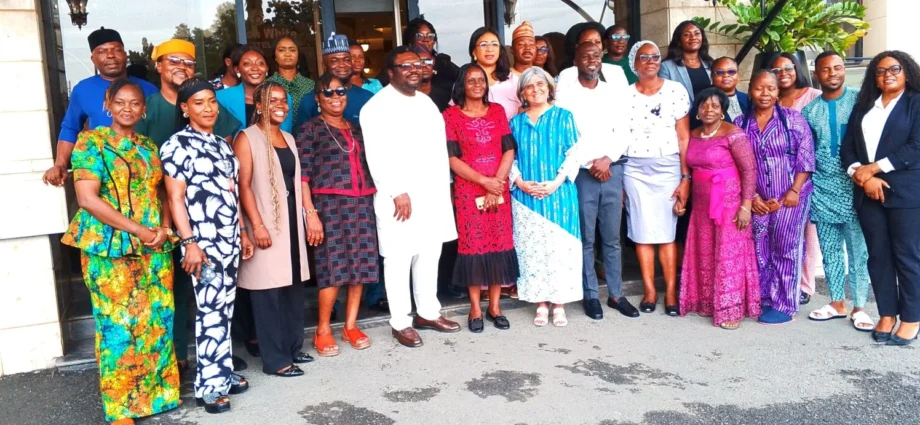
The call was made at a media roundtable themed, “Child Nutrition Fund (CNF): A Strategic Pathway for Preventing Anaemia and Scaling Access to Life-Saving Nutrition Commodities in Nigeria,” on Monday in Abuja.
The event was organised by Civil Society-Scaling Up Nutrition in Nigeria (CS-SUNN) with support from development partners and government agencies to strengthen advocacy for sustainable nutrition financing and improved health outcomes.
Speaking at the event, the Executive Secretary of CS-SUNN, Mr Sunday Okoronkwo, described the CNF as a catalytic financing mechanism designed to expand access to life-saving nutrition commodities for vulnerable populations.
He said Nigeria continued to face a severe burden of malnutrition, with anaemia remaining one of the most widespread public health challenges affecting women of reproductive age and children.
According to Okoronkwo, findings from the 2023 Nigeria Demographic and Health Survey (NDHS) revealed that 67 per cent of children aged six to 59 months are anaemic.
He added that the survey also showed that 57 per cent of women aged 15 to 49 years suffered from anaemia, highlighting the scale of the challenge.
The CS-SUNN executive secretary said that the high prevalence of anaemia contributed significantly to maternal mortality, low birth weight, impaired cognitive development and reduced economic productivity.
He further said that Nigeria’s maternal mortality ratio remained at 1,047 deaths per 100,000 live births, attributing the trend partly to micronutrient deficiencies among pregnant women.
Okoronkwo explained that the CNF provided a one-to-one co-financing arrangement between federal and state governments for the procurement of essential nutrition commodities and supplements.
These, he said included Multiple Micronutrient Supplements (MMS), Ready-to-Use Therapeutic Foods (RUTF), Vitamin A supplements, lipid-based nutrient supplements and other critical interventions aimed at improving nutrition outcomes.
According to him, MMS contains 15 essential vitamins and minerals and is a proven, cost-effective intervention for preventing anaemia and improving maternal and child health.
He said the supplement supported fetal growth, reduced low birth weight and enhanced birth outcomes, making it a vital component of maternal nutrition interventions.
Okoronkwo commended the Federal Government and 20 states that had released about N7.1 billion between 2023 and 2026 to support implementation of nutrition programmes.
He said that the investments had improved access to nutrition commodities and expanded treatment coverage for children and women affected by malnutrition across participating states.
In spite of the progress, he expressed concern that adoption of the fund remained uneven, with several states yet to approve or fully release counterpart funding commitments.
“The reality is that only a fraction of affected children are receiving treatment. Out of every large number of cases, only a few are reached, leaving the majority without care,” he said.
He urged state governments to prioritise nutrition financing, integrate CNF commitments into annual budgets and strengthen distribution of Multiple Micronutrient Supplements for pregnant women.
Okoronkwo also called on media organisations to intensify advocacy and accountability reporting on nutrition financing, implementation gaps and progress in tackling malnutrition nationwide.
Also speaking, the Director of Nutrition at the Federal Ministry of Health and Social Welfare, Mrs Adegbite Olufunmilola, described anaemia as a major public health concern in Nigeria.
She said the condition continued to affect millions of women and children, with implications for health outcomes, productivity and overall national development.
“The CNF represents a bold and strategic financing mechanism to ensure that essential nutrition commodities such as iron-folic acid supplements, micronutrient powders and therapeutic foods are available and accessible,” she said.
Olufunmilola, however, emphasised the need for stronger accountability mechanisms, timely release of funds and improved coordination among stakeholders to maximise the initiative’s impact.
Similarly, Mrs Clementina Okoro, Director of the Nutrition Department at the Federal Ministry of Budget and Economic Planning, underscored the need to strengthen nutrition financing nationwide.
Represented by Kingsley Obeyera, a Nutrition Programme Specialist supporting the ministry through UNICEF UNV, she described the meeting as critical to addressing anaemia and malnutrition.
Okoro encouraged stakeholders to sustain collaboration and commitment toward achieving a Nigeria free from malnutrition and preventable nutrition-related health challenges.
Also speaking, UNICEF Chief of Nutrition Section, Mrs Nemat Hajeebhoy, described nutrition as a fundamental human right and a key driver of national development.
She called for sustained investment in nutrition, noting that Nigeria’s commitments under global child rights frameworks required adequate nutrition and healthcare for all children.
Hajeebhoy added that the Child Nutrition Fund represented an innovative financing mechanism capable of accelerating progress in reducing malnutrition and anaemia if fully implemented.
In her remarks, the Managing Director of Nigeria Health Watch, Mrs Vivianne Ihekweazu, emphasised the need for stronger political commitment and domestic resource mobilisation for nutrition programmes.
Represented by Favour Ani, a Programme Intern, Ihekweazu also highlighted the media’s critical role in raising awareness and sustaining advocacy for improved nutrition outcomes.
Panelists discussing virtual state experiences on implementation of the Child Nutrition Fund urged governments at all levels to adopt the initiative and close existing financing gaps.
The panelists, representing Kaduna, Kano, Bayelsa and Kwara states, also called for timely and efficient utilisation of resources to improve maternal and child nutrition across Nigeria.(NAN) (www.nannews.ng)
Edited by Abiemwense Moru