


The TV BRICS International Media Network presents a special project for the 20th anniversary of BRICS: “Global Media Briefing.”
Expert commentary from representatives of the leading media of BRICS+ countries, partners of the media network, covers issues of shaping a unified global agenda, building a multipolar system of global media communications, current trends and key events of the past 20 years for the development of media discourse, and forecasts for the further evolution of the media landscape.
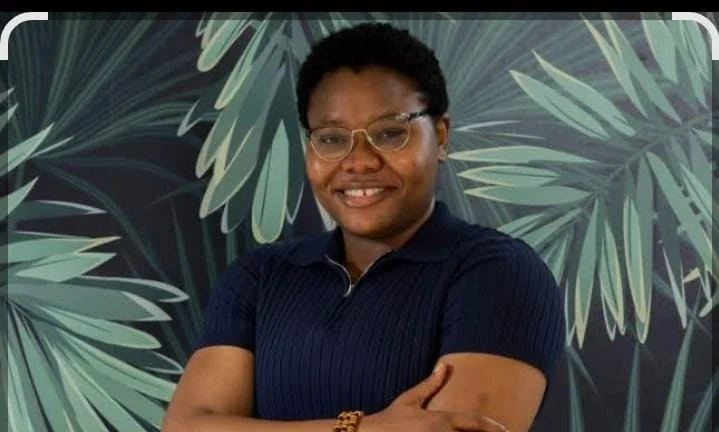
Ali M. Ali, Managing Director of the News Agency of Nigeria (NAN), answered questions on How has the rise of digital technologies and citizen journalism influenced the structure of Africa’s media landscape? Which event changed the perception of the continent in the global media? Why should the journalistic community exercise caution when using artificial intelligence technologies?
***Which event of the past 20 years would you identify as the most significant for the 1
development of media discourse and the formation of a multipolar system of global media communications?
There has not been a single most significant event in the past 20 years. Rather, it has been a series of developments that have given rise to a multipolar global media landscape.
From an African perspective, the most transformative development has been the dawn of digital media and citizen journalism. The growth of social media and digital platforms has given a voice to those who were previously unheard. In Africa, citizen journalism has been significantly amplified by digital expansion, reshaping public discourse and contributing to a more pluralistic media environment.
***In your view, what has been the most vivid and creative event of the past 20 years that helped bring media together and contributed to the formation of a shared global agenda?
The answer depends on the region and the context. In Africa, major global sporting events have united the media and drawn worldwide attention.
A clear example is the 2010 FIFA World Cup hosted by South Africa. It brought global media attention to the continent and demonstrated Africa’s capacity to host an event of such scale. It fostered a sense of unity and optimism, while also shifting international media focus towards Africa in a positive way.
***How has the image of international journalism changed over the past 20 years? What key trends and major events have influenced the transformation of media discourse and the global information space?
Over the past two decades, international journalism has become more diverse and more digitised. The expansion of digital platforms has broadened participation and opened the media space to a wider range of voices and perspectives.
In Africa, the media landscape is growing, particularly in the digital sphere. Many African countries now operate state-run media with international outreach. While resources may remain limited, the infrastructure increasingly allows them to engage global audiences.
Partnerships between media organisations have also become more significant. For example, cooperation between TV BRICS and African outlets such as the News Agency of Nigeria reflects a broader trend of international collaboration.
***What is your forecast for the development of media communications and the evolution of the media landscape in terms of approaches, technologies, meanings and narratives?
Digital and social media will continue to play a decisive role. They have already contributed to a form of media renaissance and reawakening.
Artificial intelligence will become one of the most significant factors shaping the future of media. AI is already integrated into media operations, and its influence will continue to grow.
At the same time, there will be greater focus on digital platforms, further growth of African media, and increased production of localised content with global reach.
Media organisations in Nigeria, for example, can now distribute content internationally through partnerships such as those with TV BRICS. Overall, we can expect more AI-driven content, stronger digital integration and continued expansion of the African media landscape.
***What key elements should a shared global agenda include from the perspective of the development of media discourse?
A shared global agenda should include issues that affect humanity as a whole. Climate change is a clear example, as it represents a real and pressing threat.
Other essential elements include global trade, sustainable development and equitable access to information. The agenda should also encompass human rights, global peace, access to technology and fair trade relations. These themes should form the core of a genuinely shared global media discourse.
***Which issues related to Nigeria’s domestic and foreign affairs, civic initiatives and upcoming events should receive primary attention from foreign media in order to demonstrate the country’s capacities and global contribution?
Nigeria’s cultural richness, hospitality, agricultural potential and creative industries deserve greater attention. The government has established a Ministry of Creative Industry to support this sector.
Nigeria’s film industry, Nollywood, is one of the most productive in the world and is second only to Bollywood in output. The country also has a strong entrepreneurial culture. Nigerians with specialised skills work across the globe, including in professional and technical fields.
Nigeria possesses significant human capital, including medical professionals and engineers. Foreign media should highlight this capacity, as well as the country’s economic resilience and reform efforts. The focus should not be solely on challenges but also on progress, opportunity and development.
***What stereotypes about Nigeria’s culture, science and education exist abroad, and how can journalists help to dispel them?
Nigeria is often associated with disease, poverty, and insecurity. While challenges exist, this perception is incomplete. For several consecutive years, Nigeria had the largest economy in Africa, and it remains among the top three economies on the continent, alongside South Africa and Egypt.
Nigeria is also a major oil producer and has substantial agricultural potential. Nigeria has a rapidly developing technology sector, particularly in fintech and digital payment systems.
It also hosts the largest single-train refinery in the world, with the capacity to process several hundred thousand barrels per day. These developments are significant for international investors and for the global energy sector.
Journalists can help by presenting a balanced and up-to-date picture, highlighting reforms, technological advancement and entrepreneurial dynamism alongside existing challenges.
***How do you view the idea of creating a unified global information space, and in what formats should cooperation between media outlets develop?
International cooperation is essential. Partnerships such as that between TV BRICS and the News Agency of Nigeria demonstrate how collaboration can help address misconceptions and broaden perspectives.
There is also scope for deeper cooperation through journalist exchanges, joint training programmes and capacity-building initiatives. In the digital era, collaboration is crucial for sharing best practices, professional standards and technological expertise, including the responsible use of AI.
Greater international engagement strengthens mutual understanding and enhances the quality of global media discourse.
***What does true journalism mean to you, and can you name a media outlet or individual with impeccable authority?
Identifying a single individual is difficult, as credibility is shaped by context and perspective.
For me, true journalism is the pursuit of truth and justice. It involves giving a voice to the voiceless and addressing underreported issues.
Journalism should also highlight positive developments that are often overlooked. In Africa, for example, strong communal traditions, mentorship systems and social solidarity are important social features that deserve greater coverage.
Ultimately, journalism is defined by its commitment to truth, fairness, and public responsibility.(TV BRICS/NAN)
Edited by Ismail Abdulaziz
Comments