









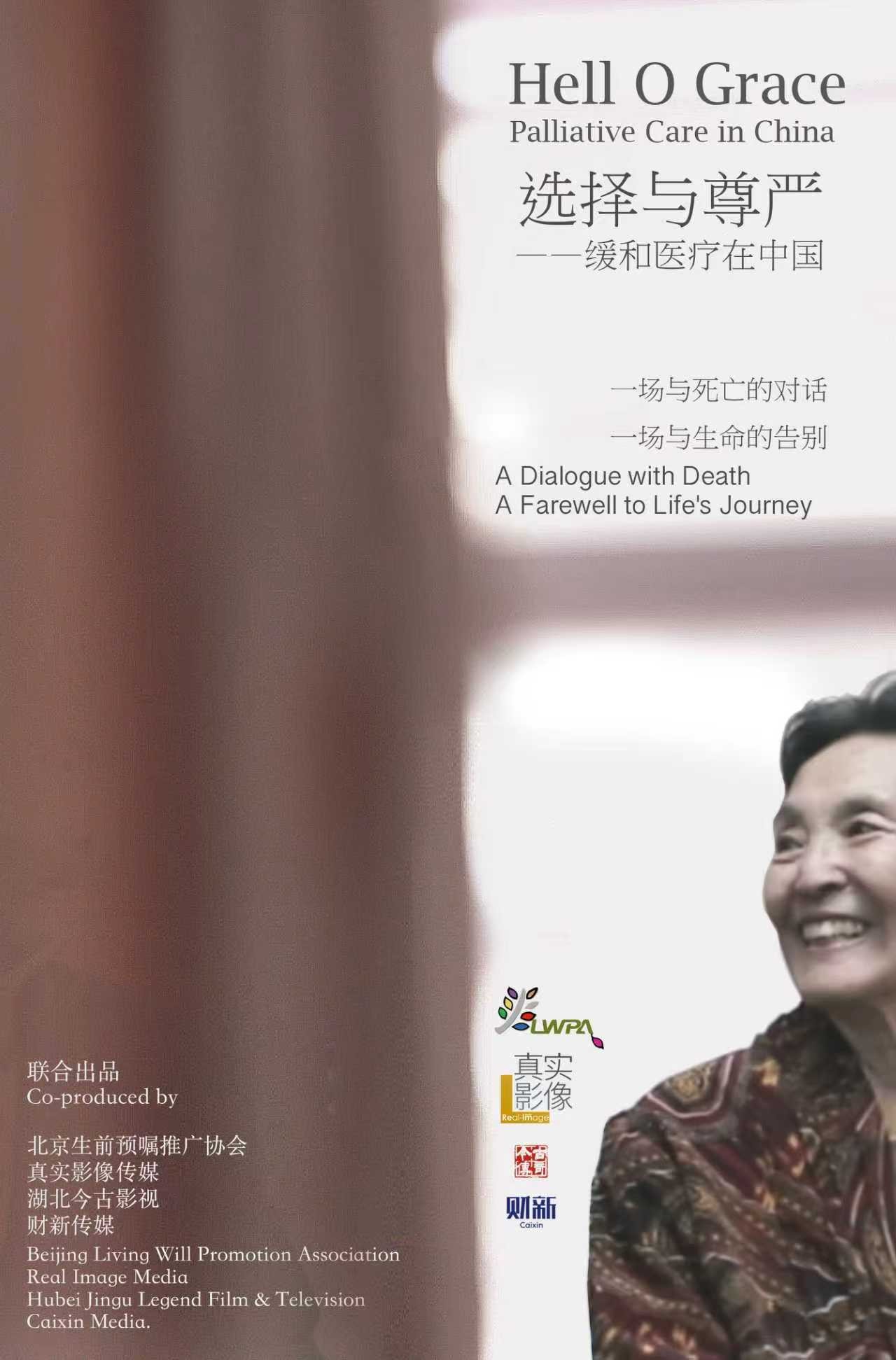
Hell O Grace – Palliative Care in China is the first feature documentary systematically chronicling China’s decade-long evolution of palliative care. Co-produced jointly by multiple institutions including the Beijing Living Will Promotion Association and Real Image Media, the film has been released worldwide in multilingual versions including Arabic. It lands on international online platforms such as That’s Books, and is screened through media outlets across South and Southeast Asia, winning widespread attention from Asia-focused scholars and documentary practitioners globally.
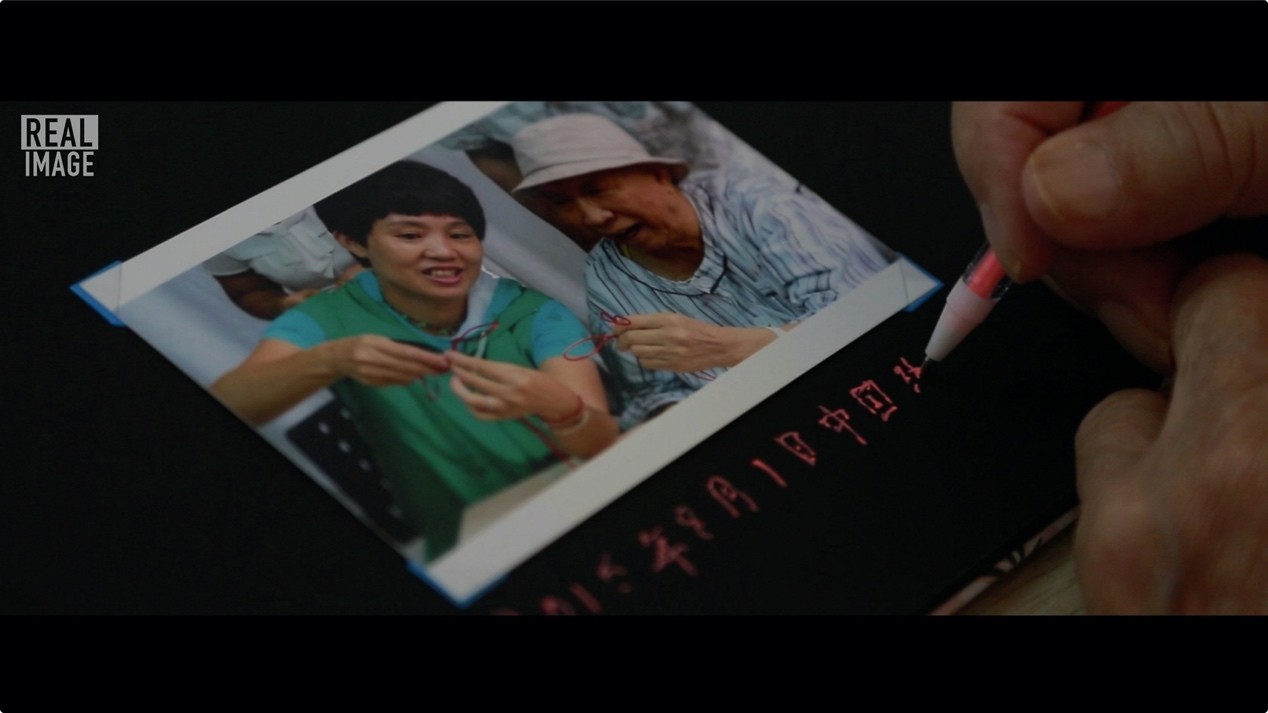
Moving away from formulaic official narratives and geopolitical commentary, the film earns worldwide acclaim by adopting restrained, observational cinematography. It adheres strictly to the core rules of Direct Cinema: the filming team records real-life scenes without interruption, shunning hollow moral preaching and one-sided glorification of medical institutions. The camera faithfully captures ordinary people’s inner struggles when facing terminal diseases and tough end-of-life decisions. By combining mature Western documentary storytelling techniques with subtle, reserved Eastern emotional expression, the work effortlessly breaks down cross-cultural barriers. Jian Yi, Harvard researcher and documentary director, commented that far more than a simple archive of medical progress, this documentary acts as a universal mirror reflecting shared human limitations within modern healthcare systems, transforming heavy ethical predicaments into profound philosophical contemplations on what constitutes a truly dignified life.
Qiu Jiaqiu, director of the documentary, stated that documenting palliative care will be his lifelong documentary career. He will keep long-term follow-up shooting to record the industry’s progress and capture more personal life stories of ordinary people.
The film strikes deep emotional resonance among audiences and scholars from all corners of the globe. Across nearly every region, rapid urbanization and shifting family structures have steadily eroded traditional community-based end-of-life care systems. A universal conflict has emerged: cutting-edge medical technology that extends physical life often clashes with people’s core pursuit of high-quality, meaningful living in their final days.
Every nation carries distinct cultural outlooks, while various faiths hold vastly divergent interpretations of suffering, mortality and the essence of life. Even so, all humanity shares identical tender emotions when confronting fatal illness and permanent separation. China’s years of practical exploration in palliative care and life education have yielded valuable, actionable experience. This documentary creates an open platform for worldwide cross-cultural dialogue, inspiring in-depth comparative discussions on end-of-life medical ethics and delivering fresh, practical perspectives for the development of hospice and palliative care programs across the entire world.